
Made in America


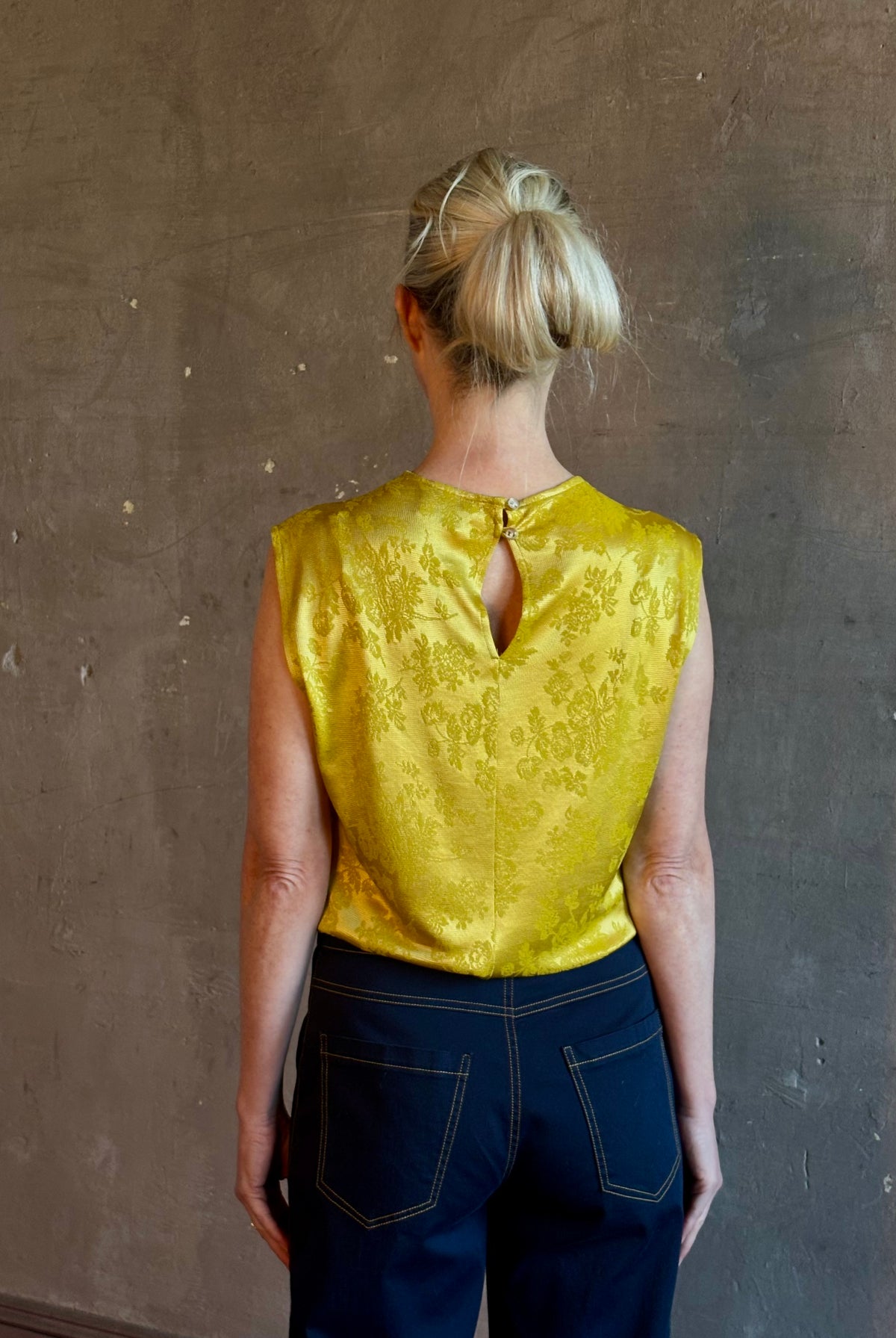
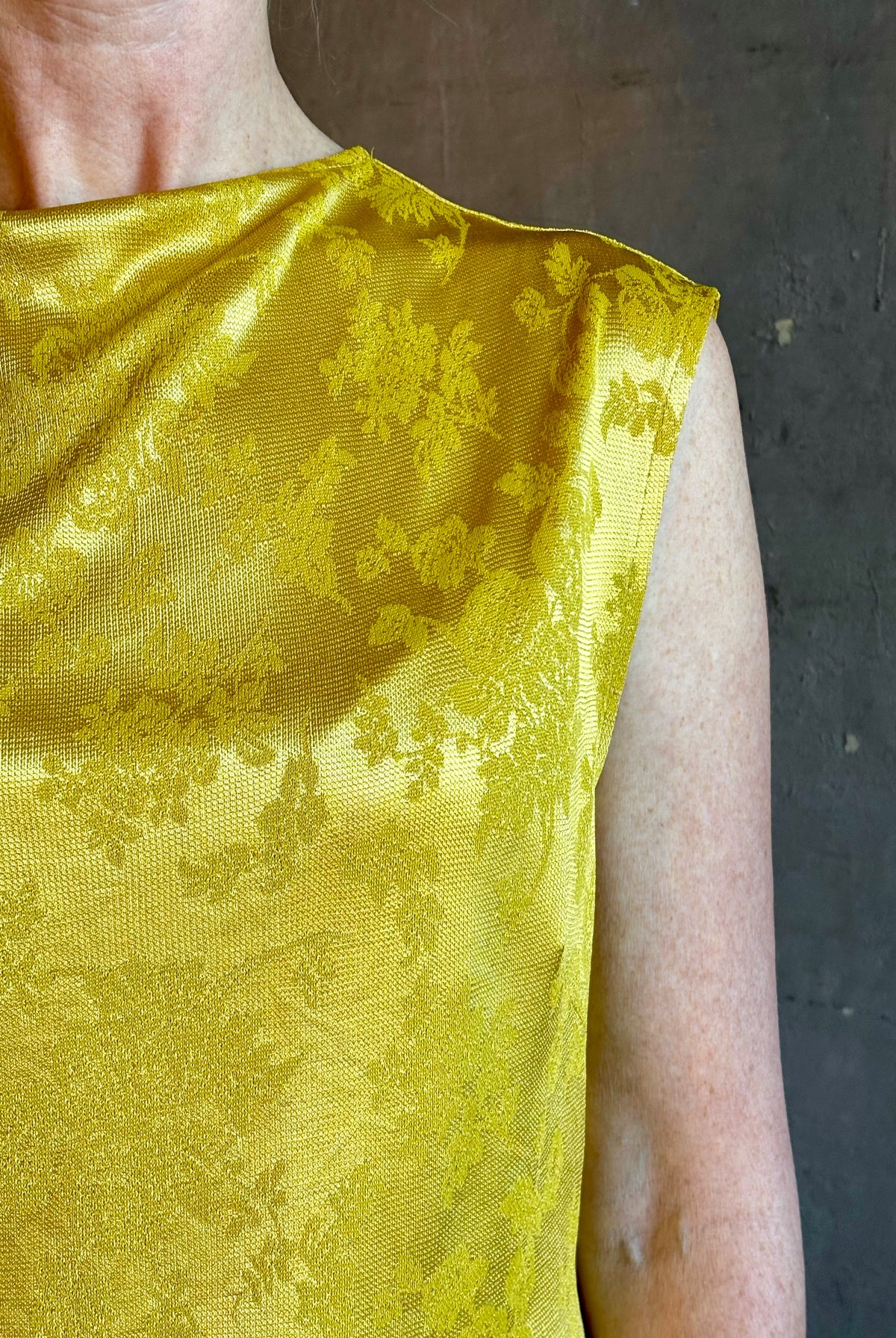

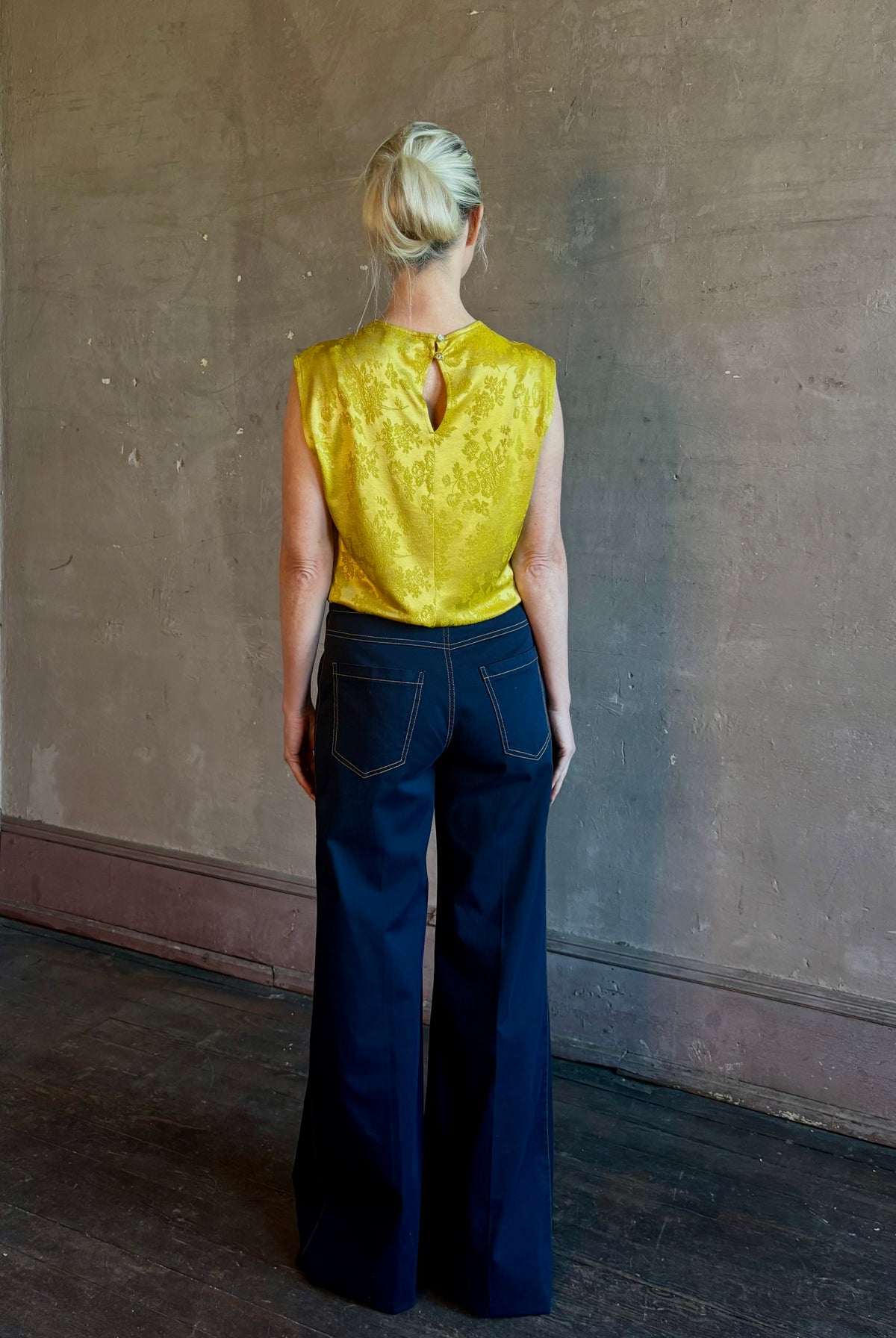

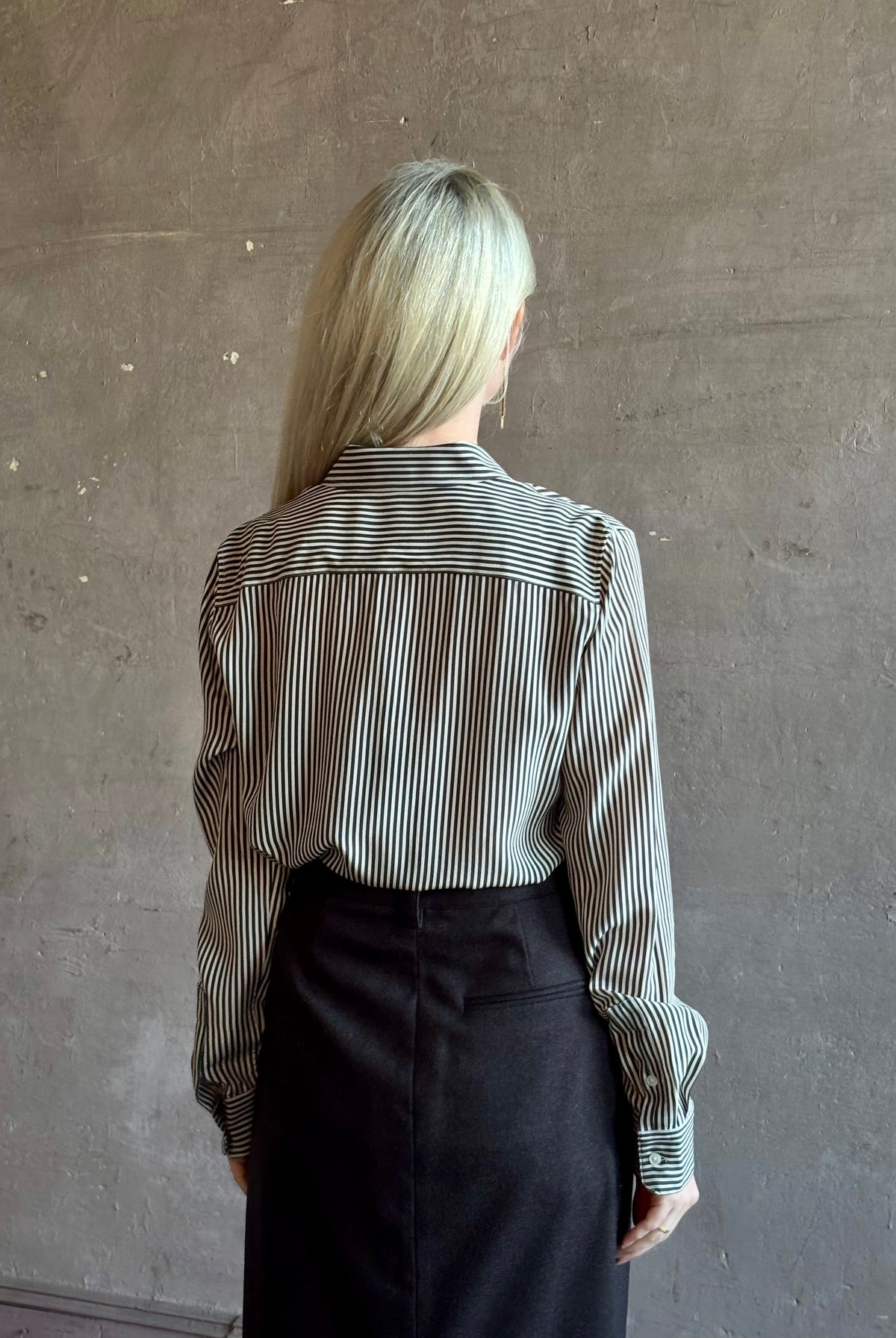




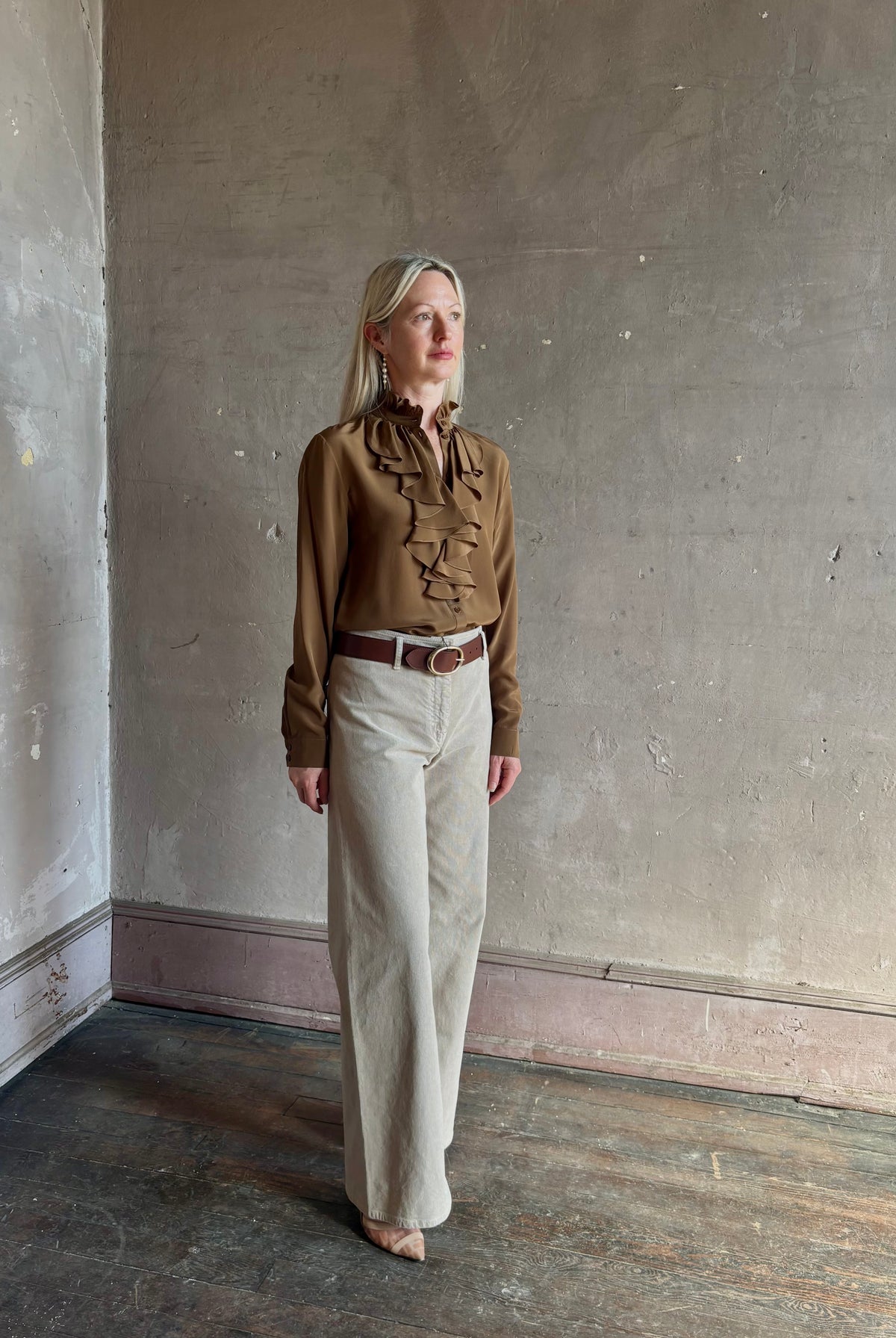
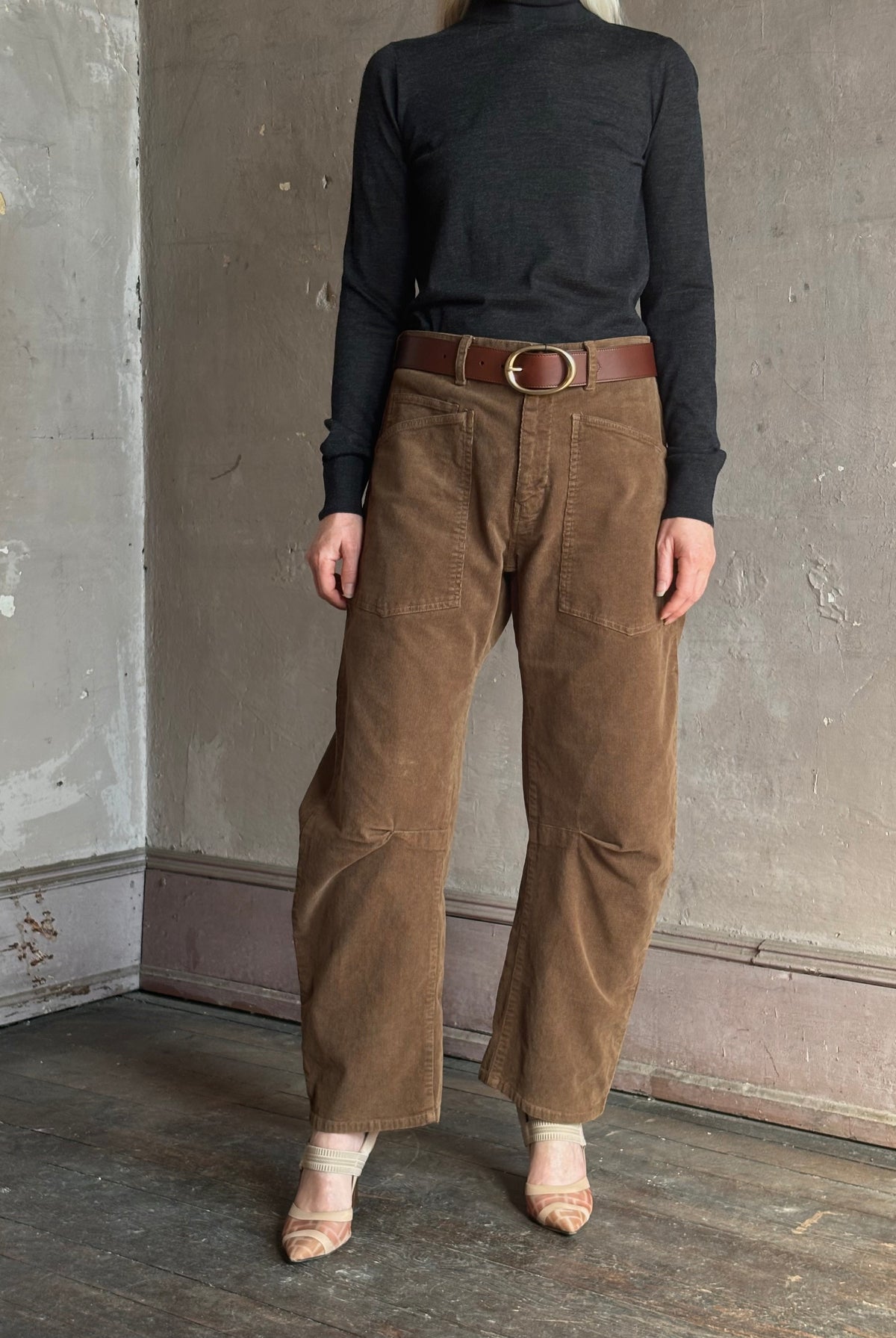
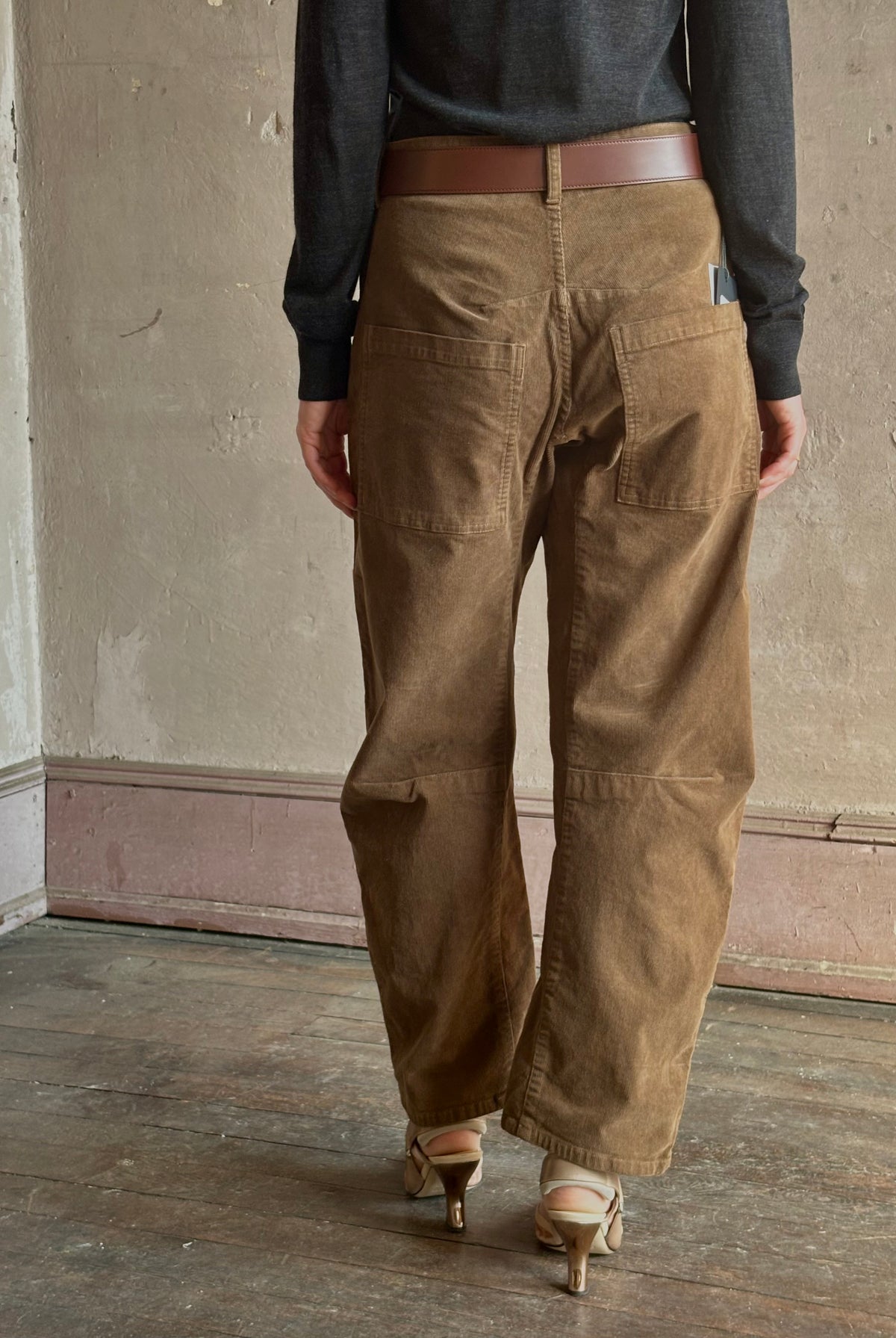
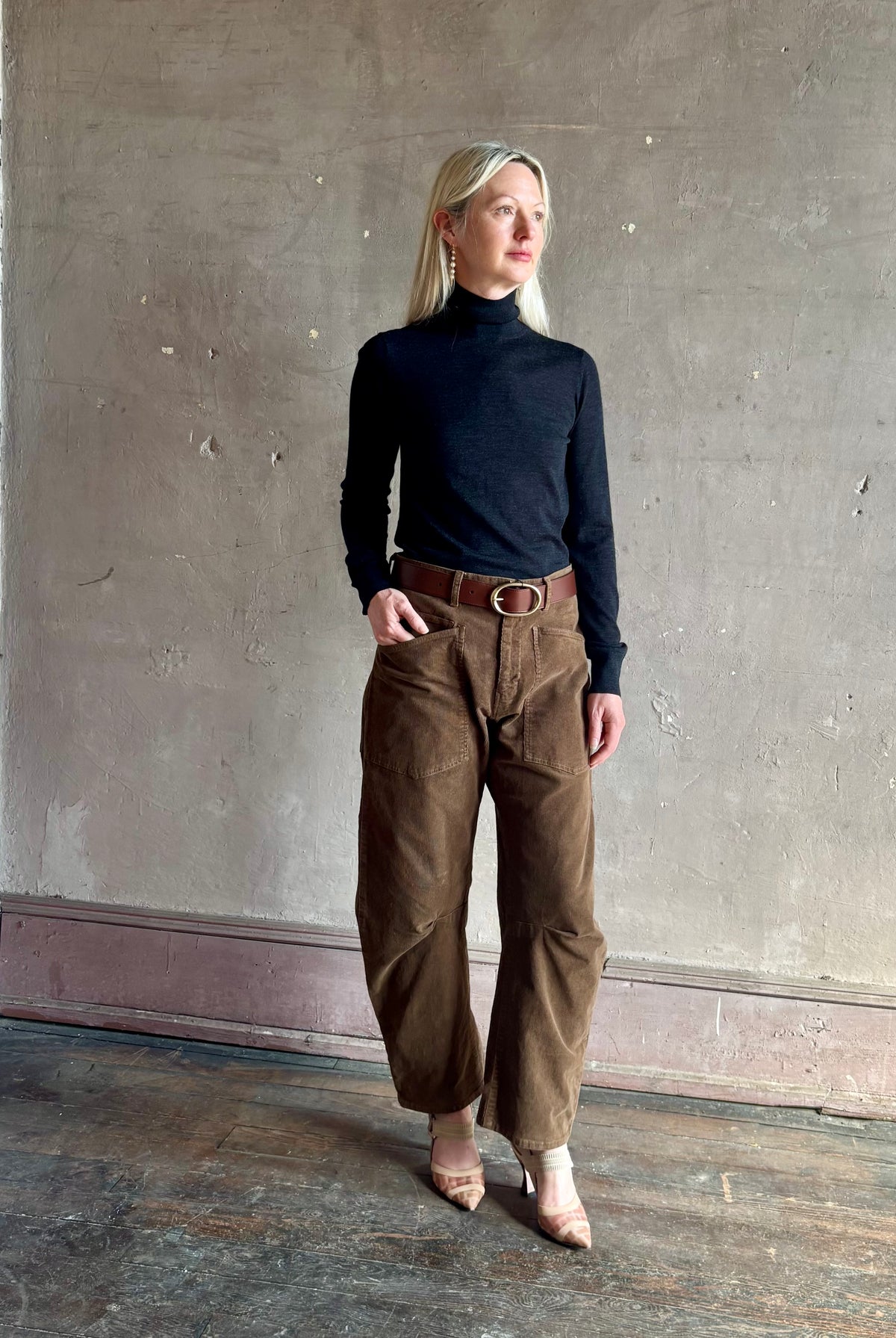





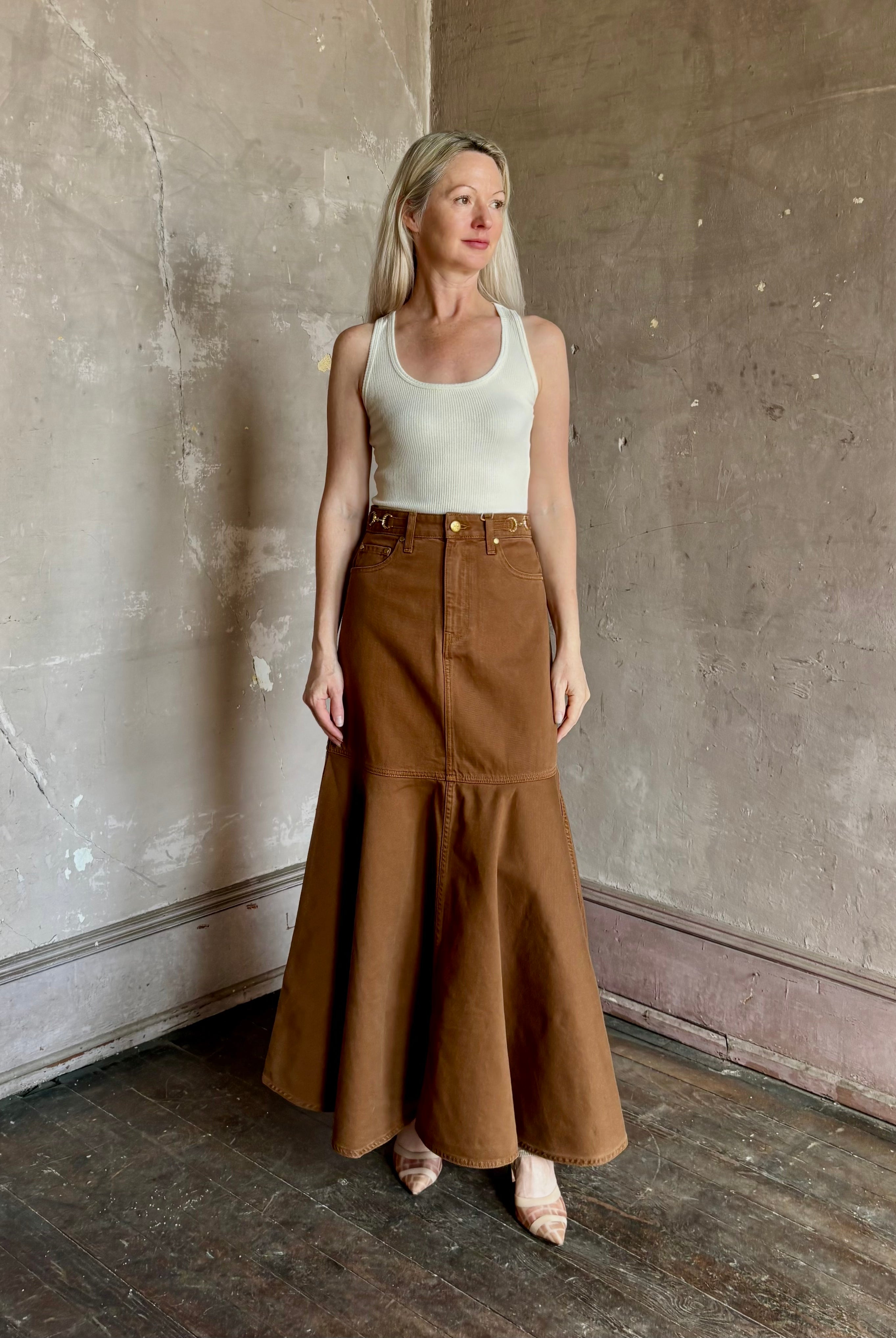
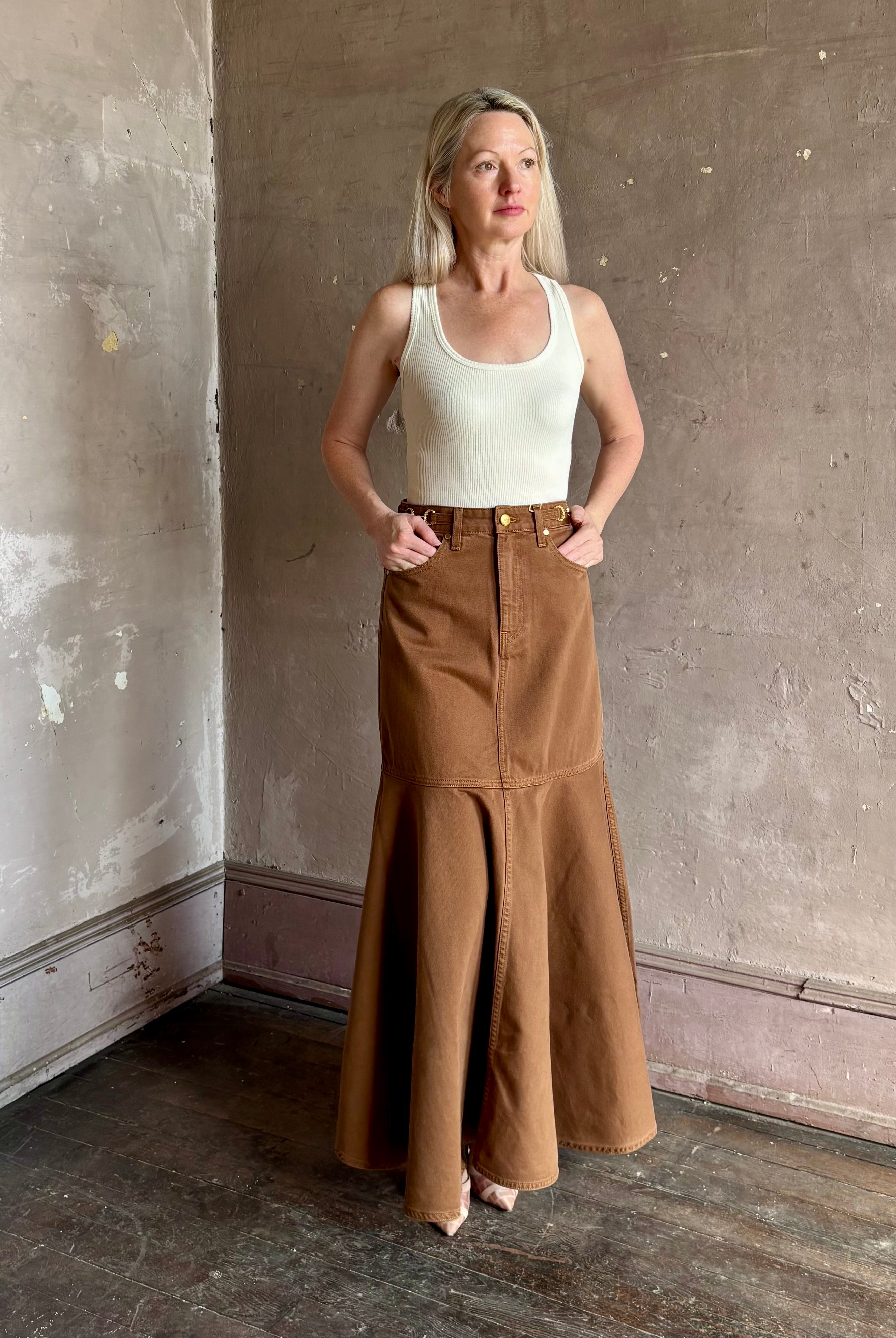
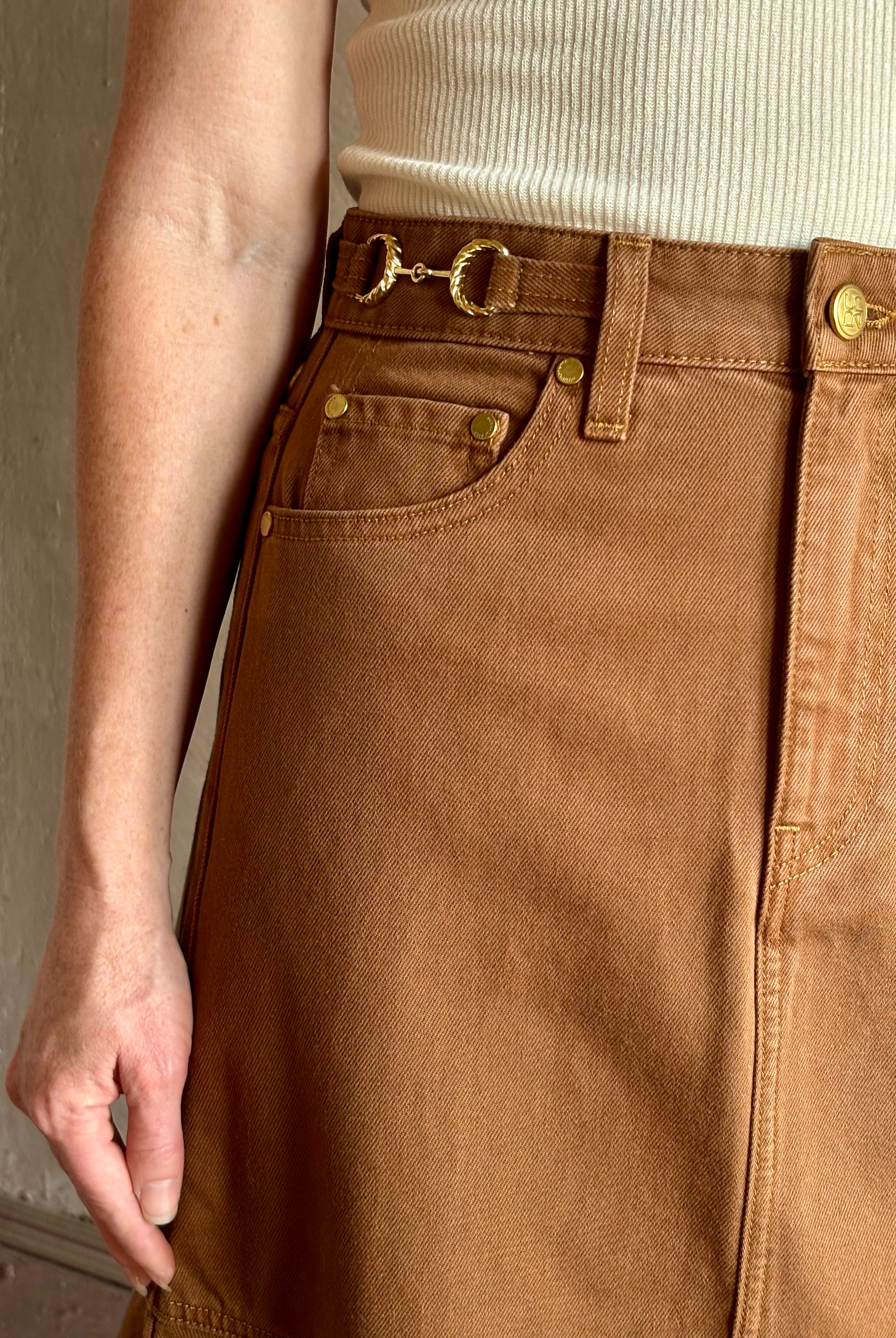
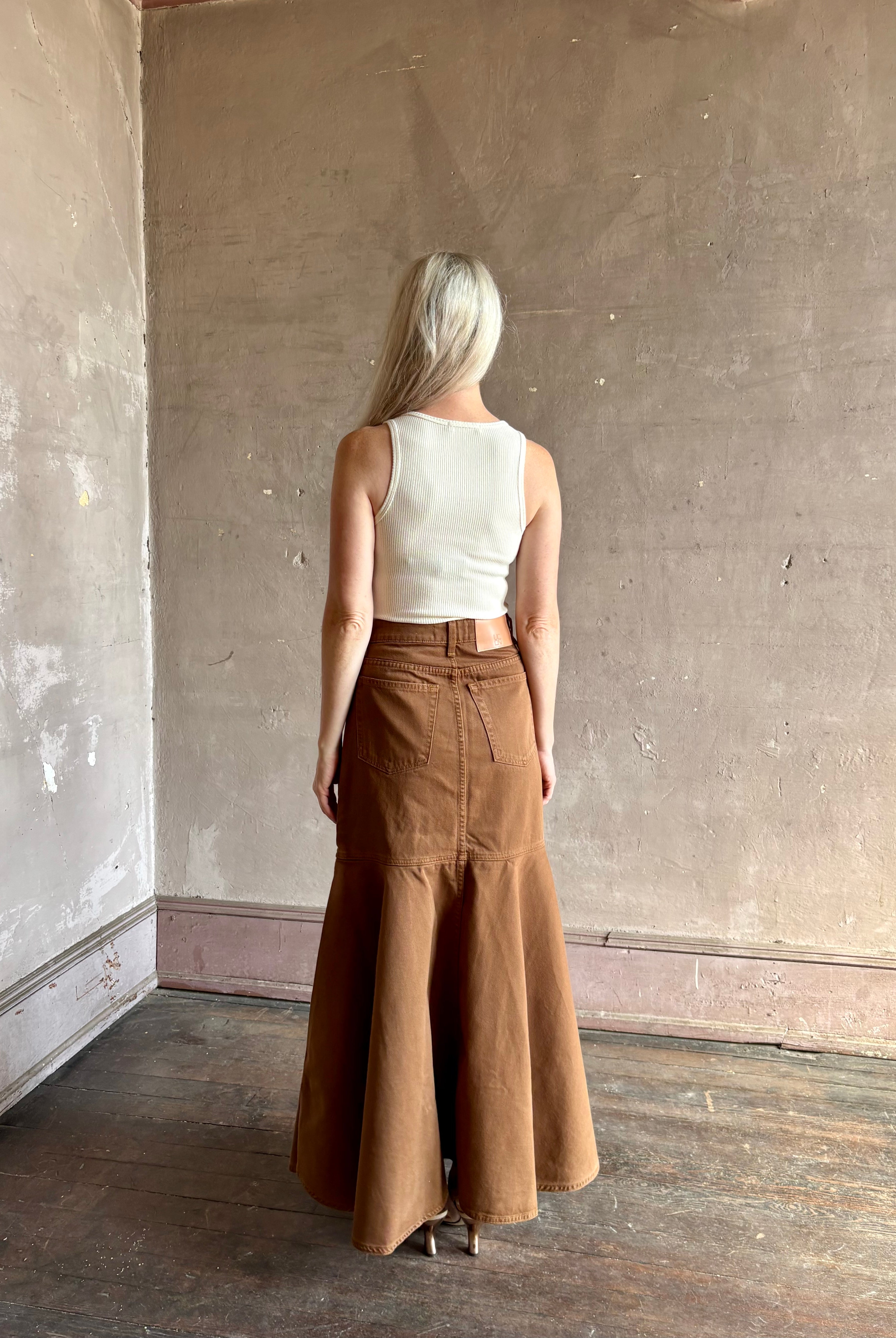


MADE IN AMERICA
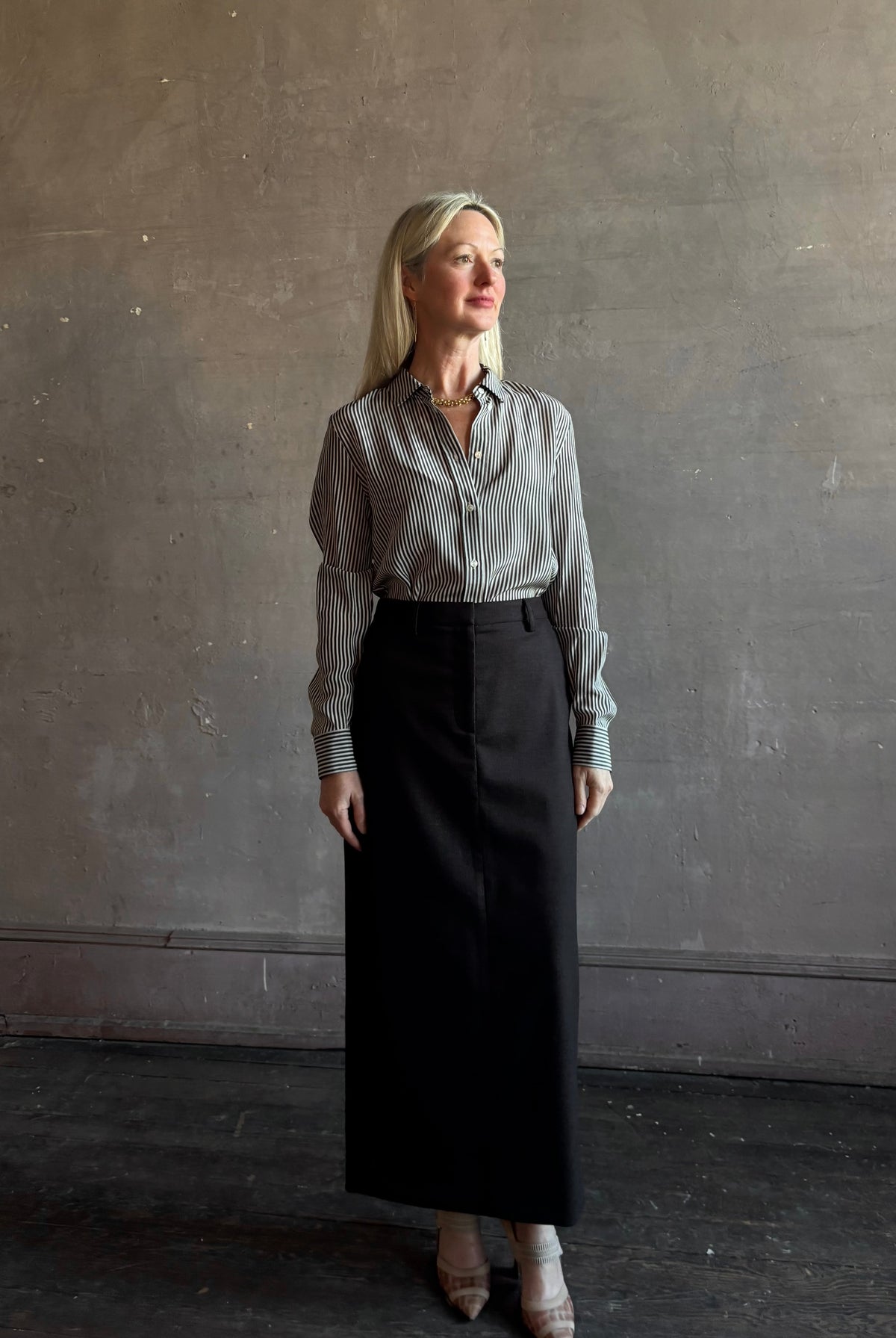
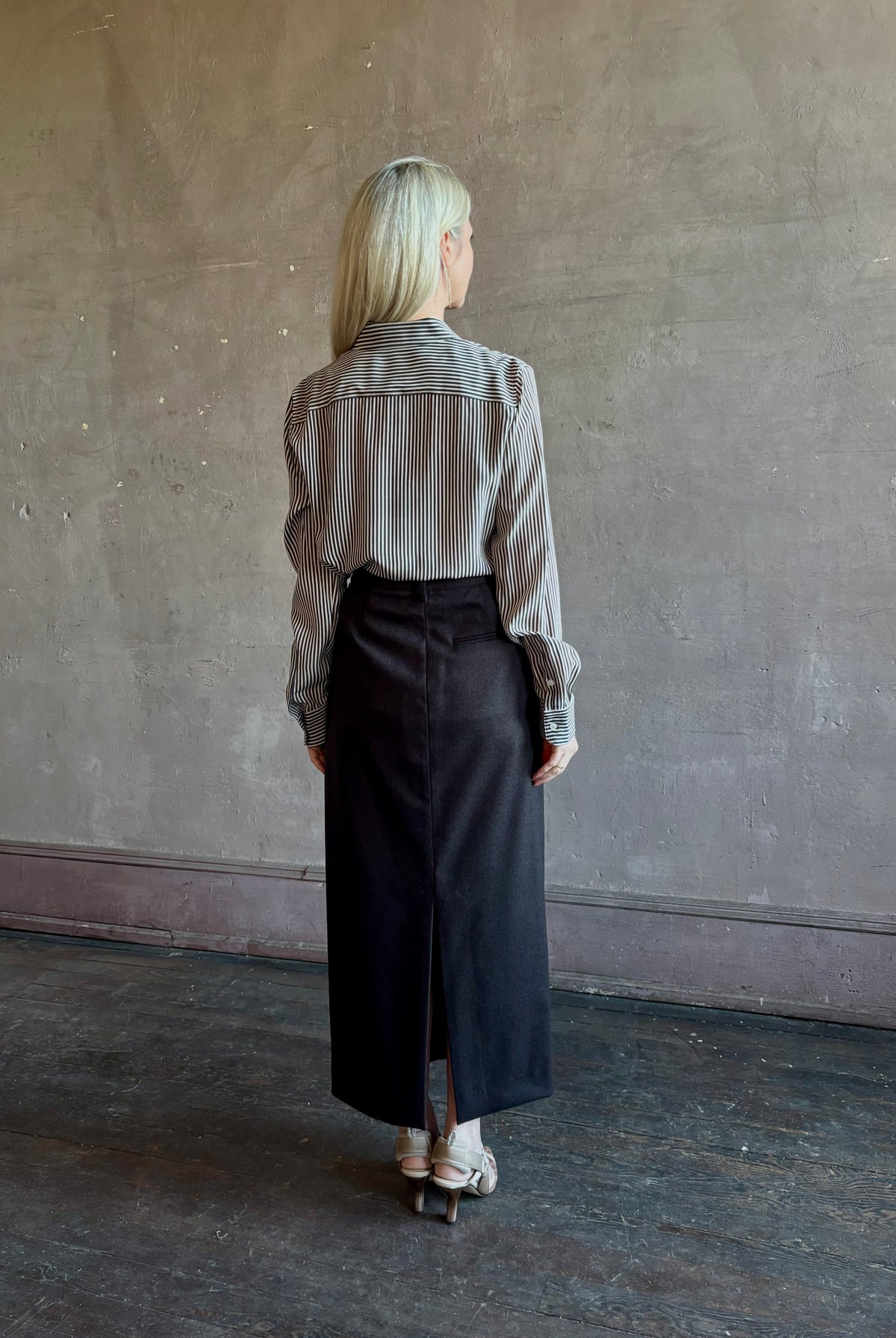
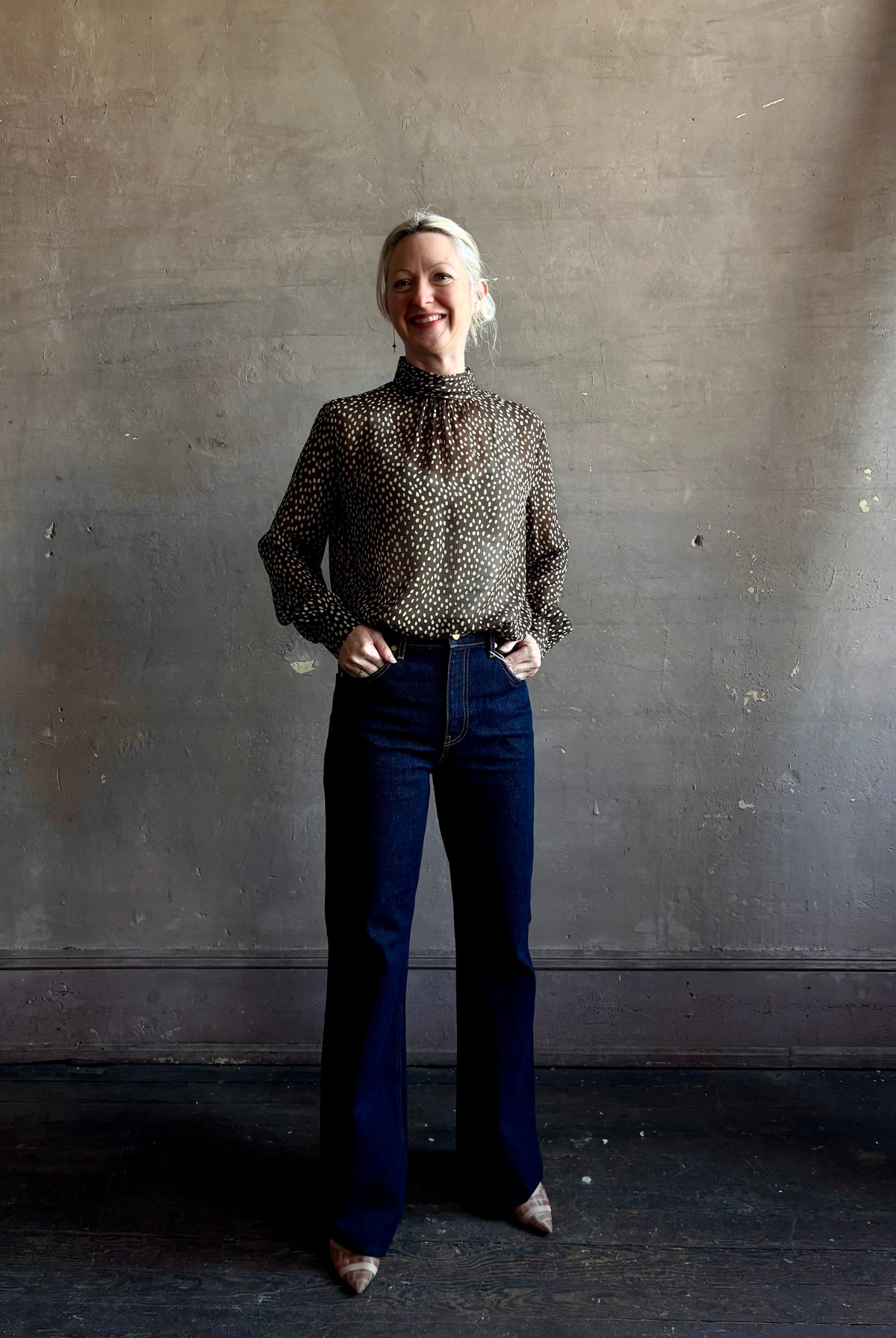
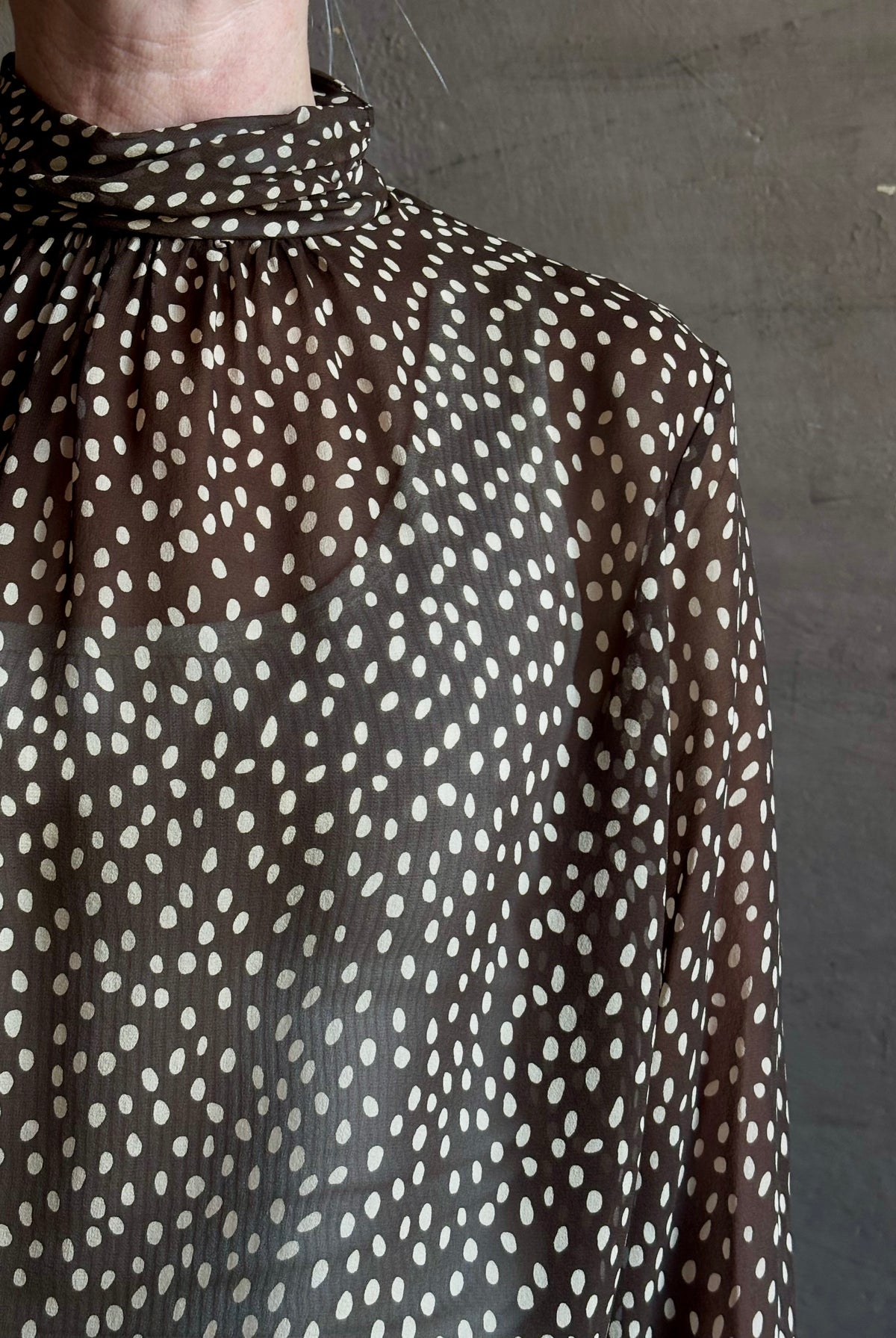
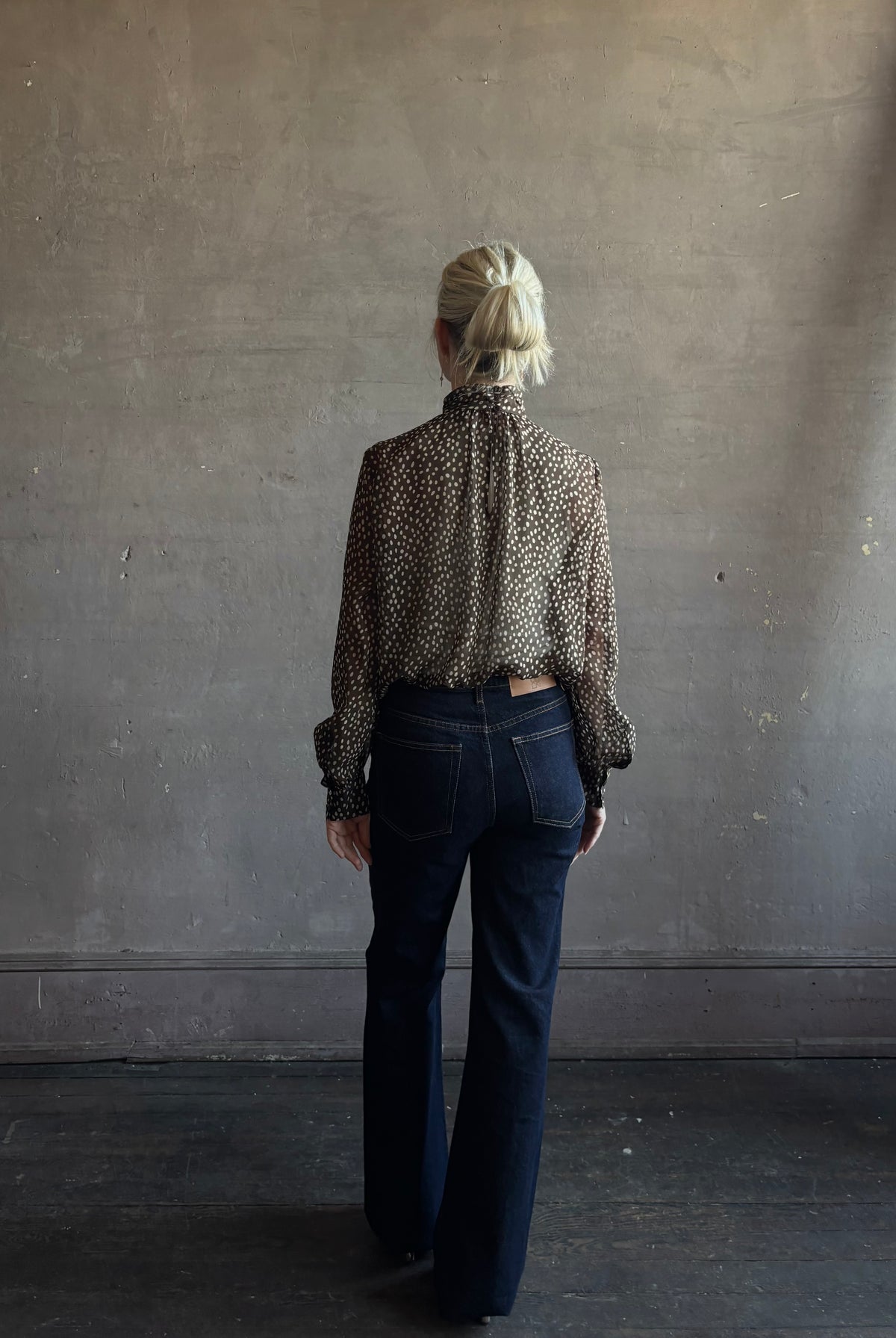
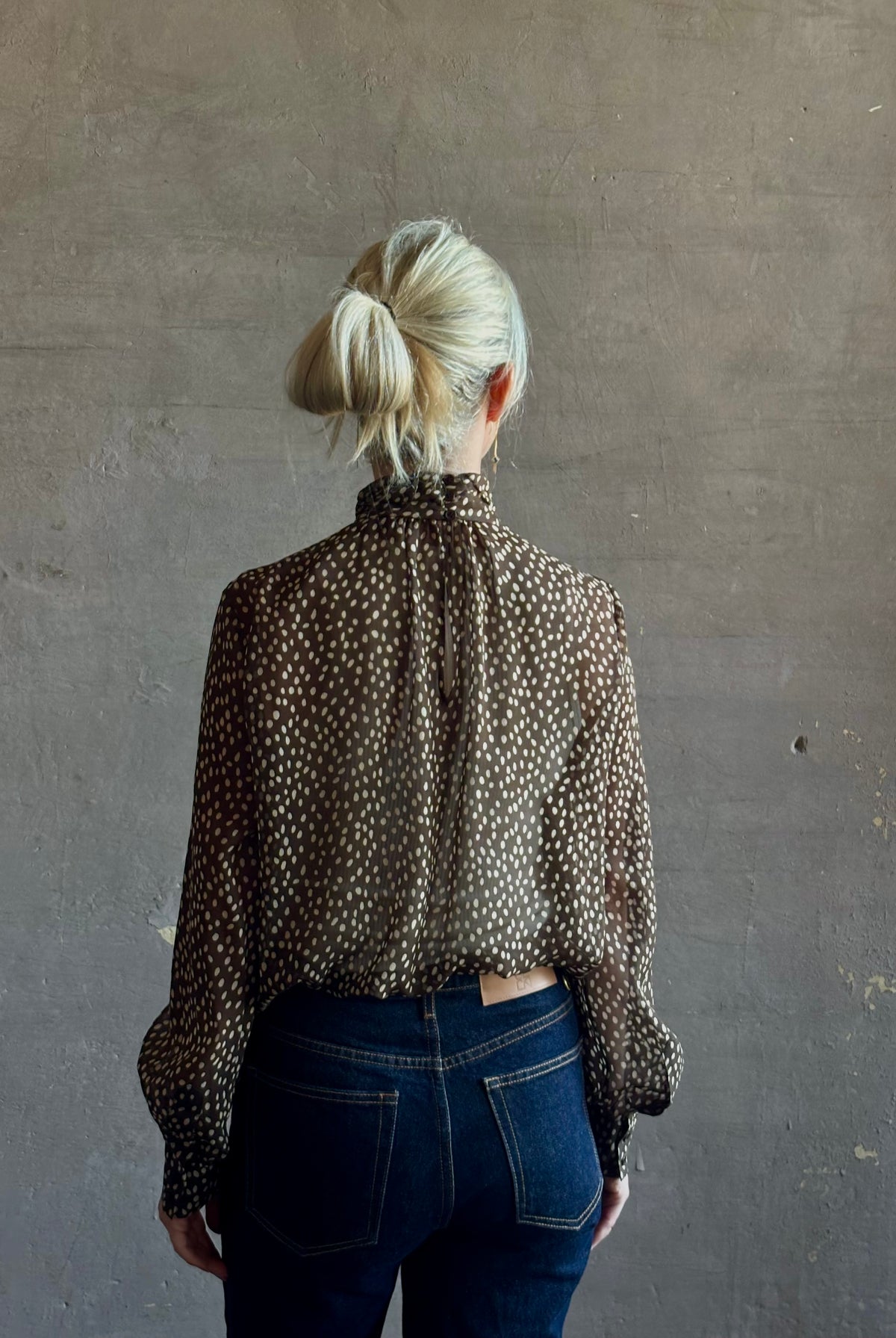
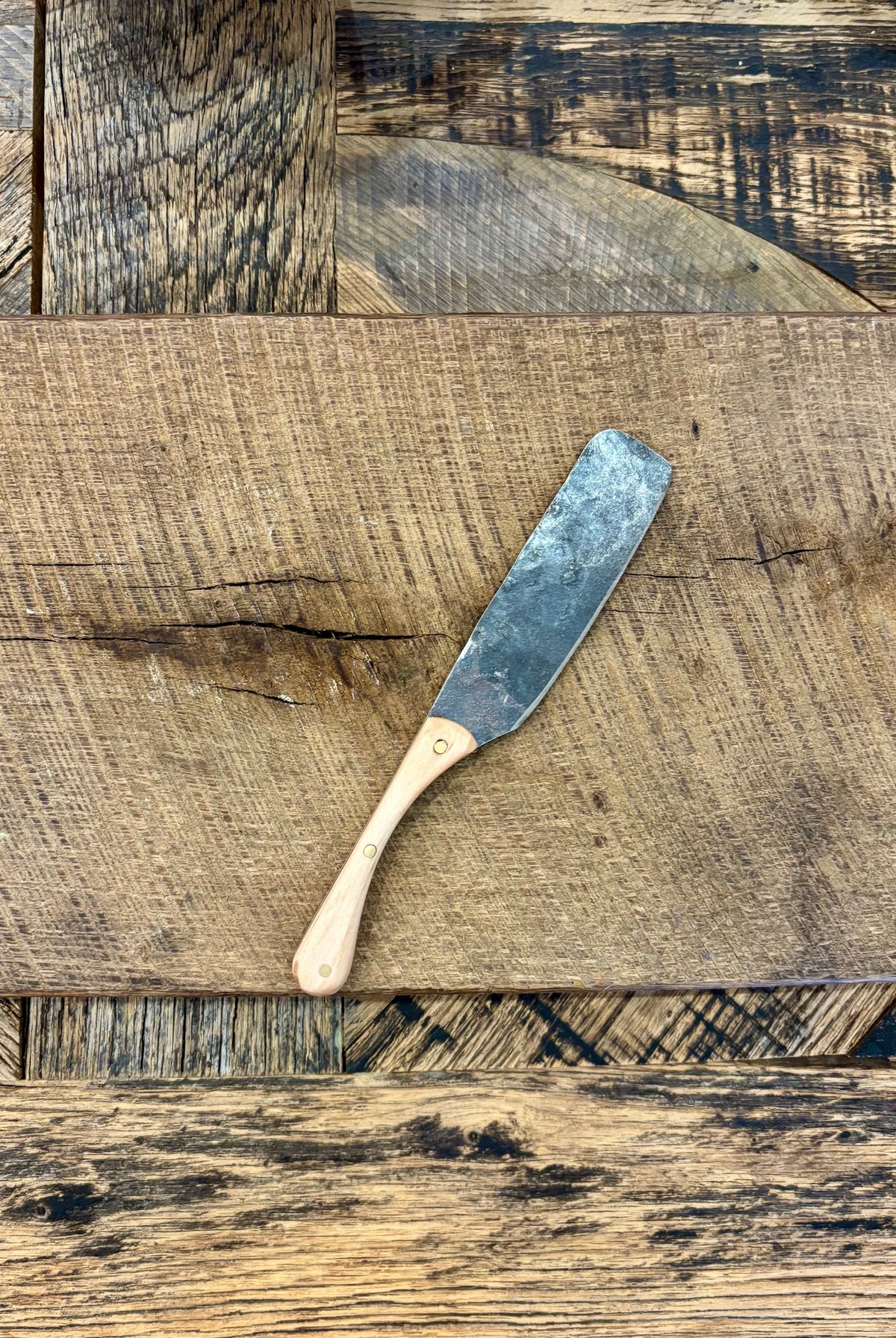
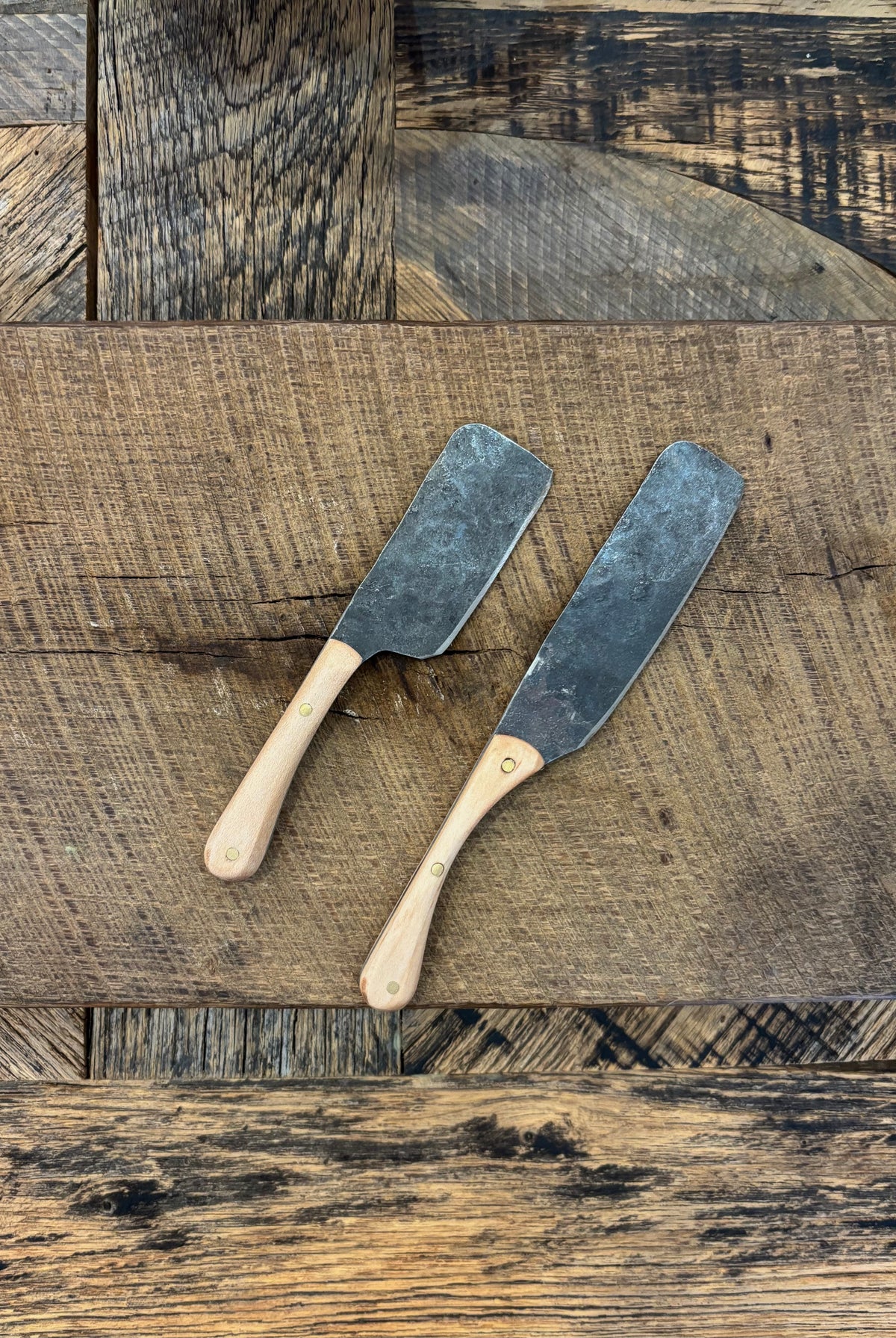
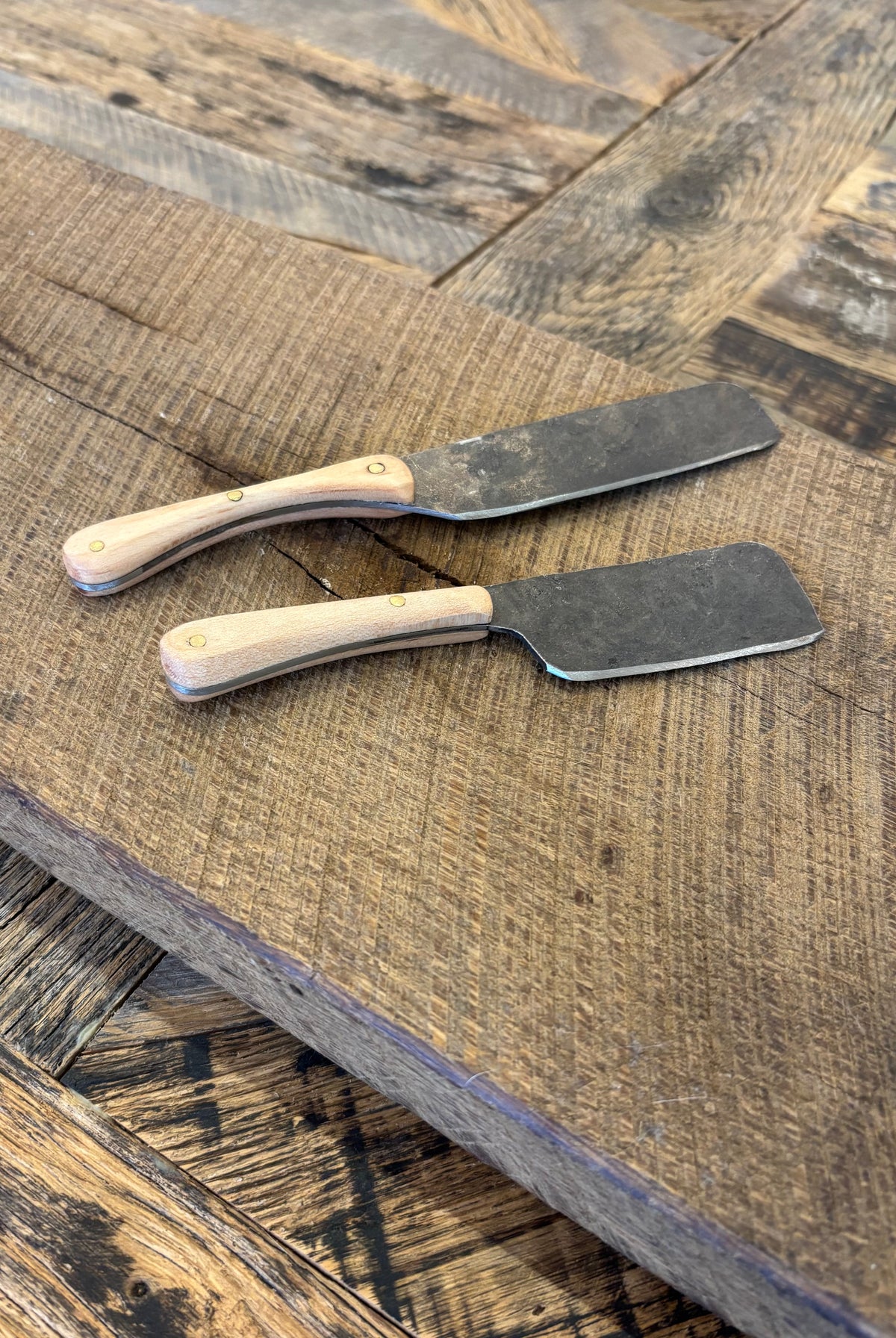
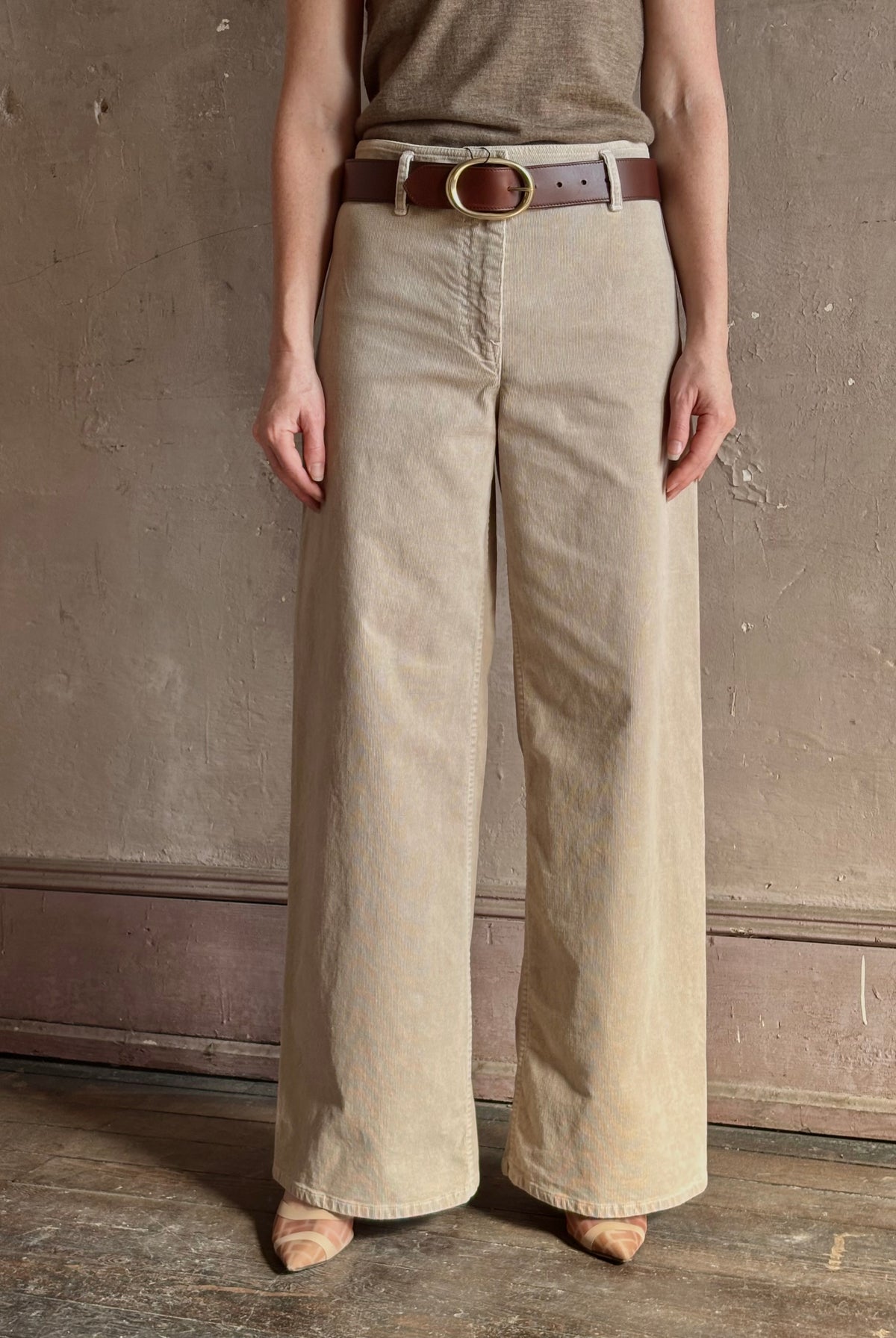
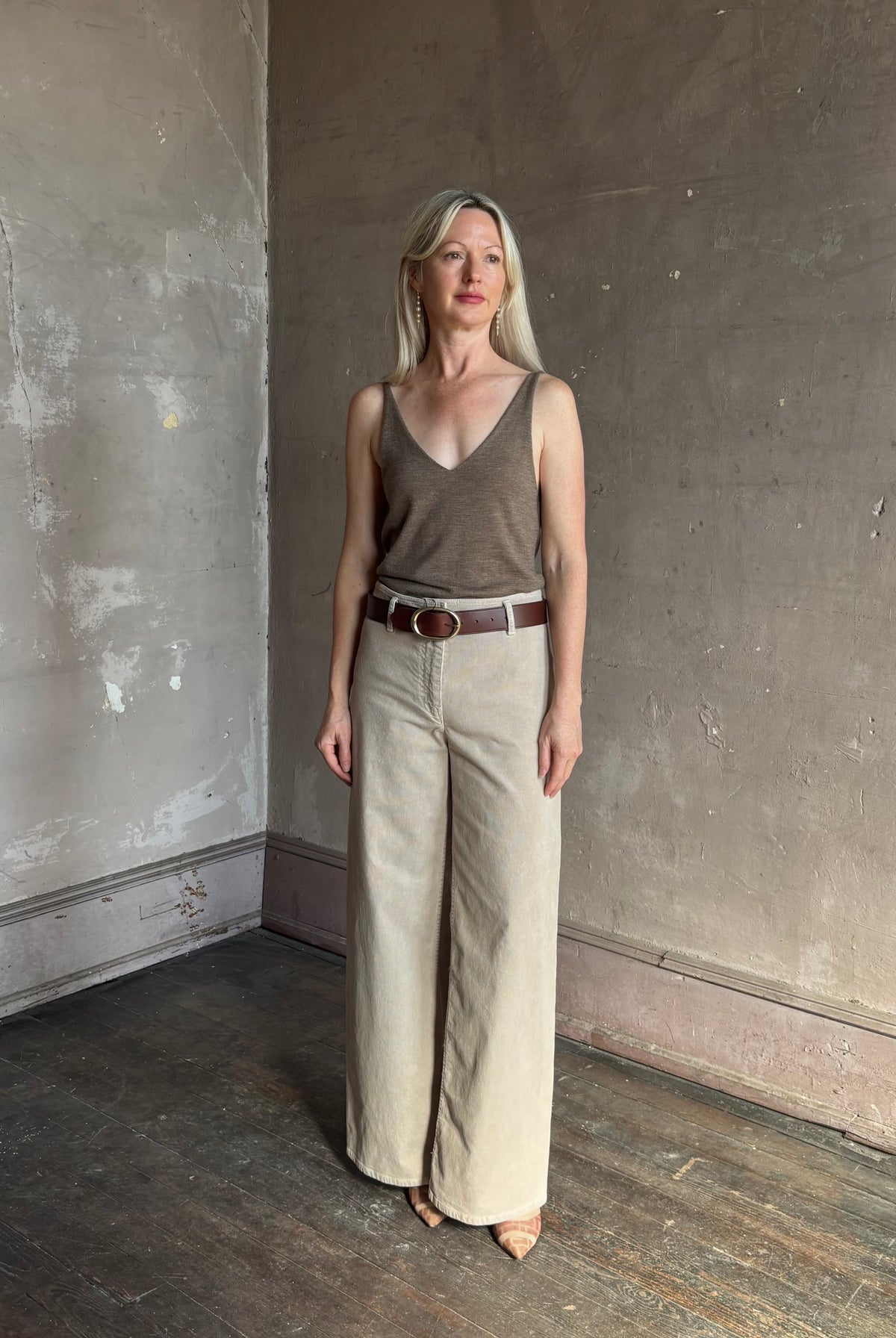
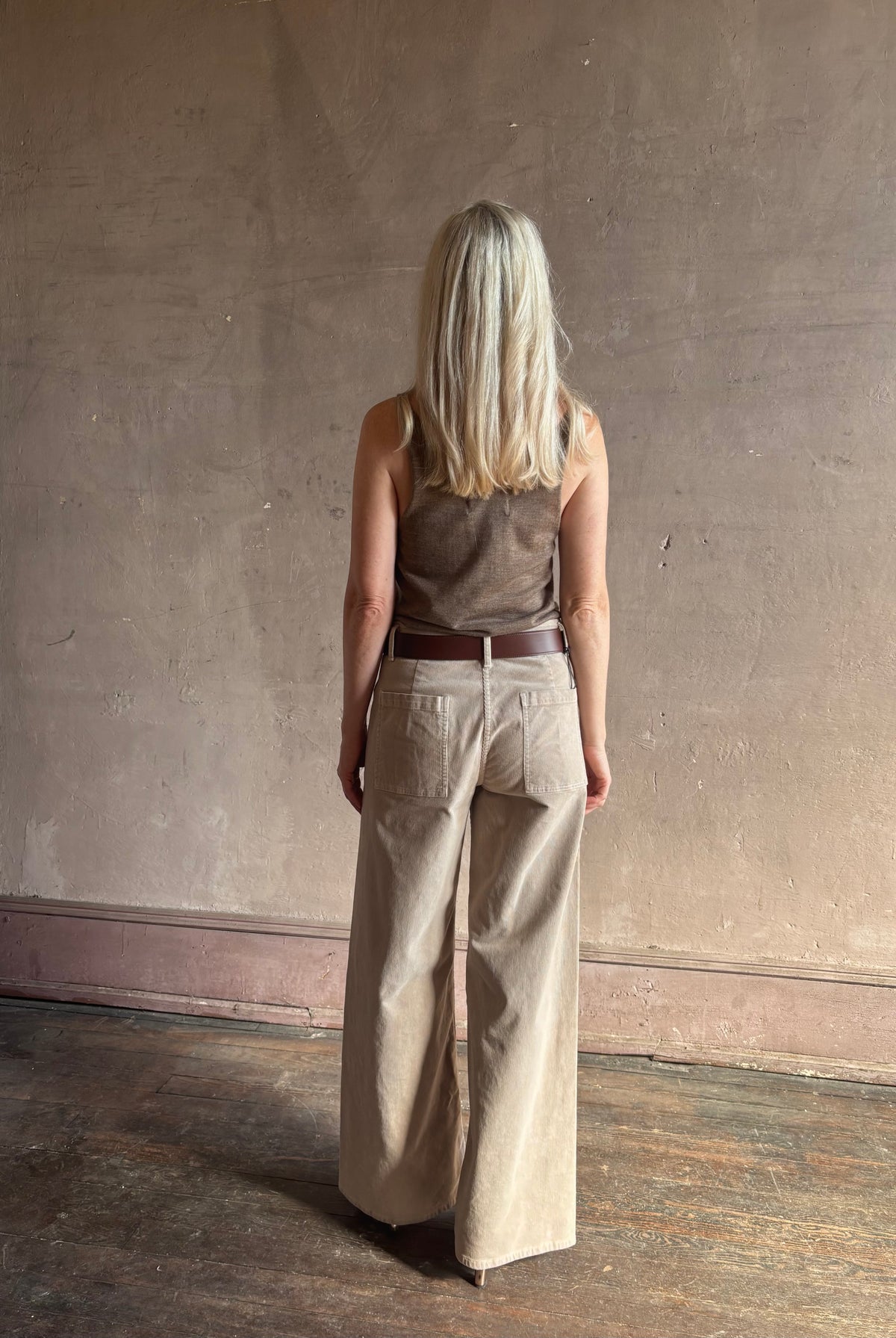
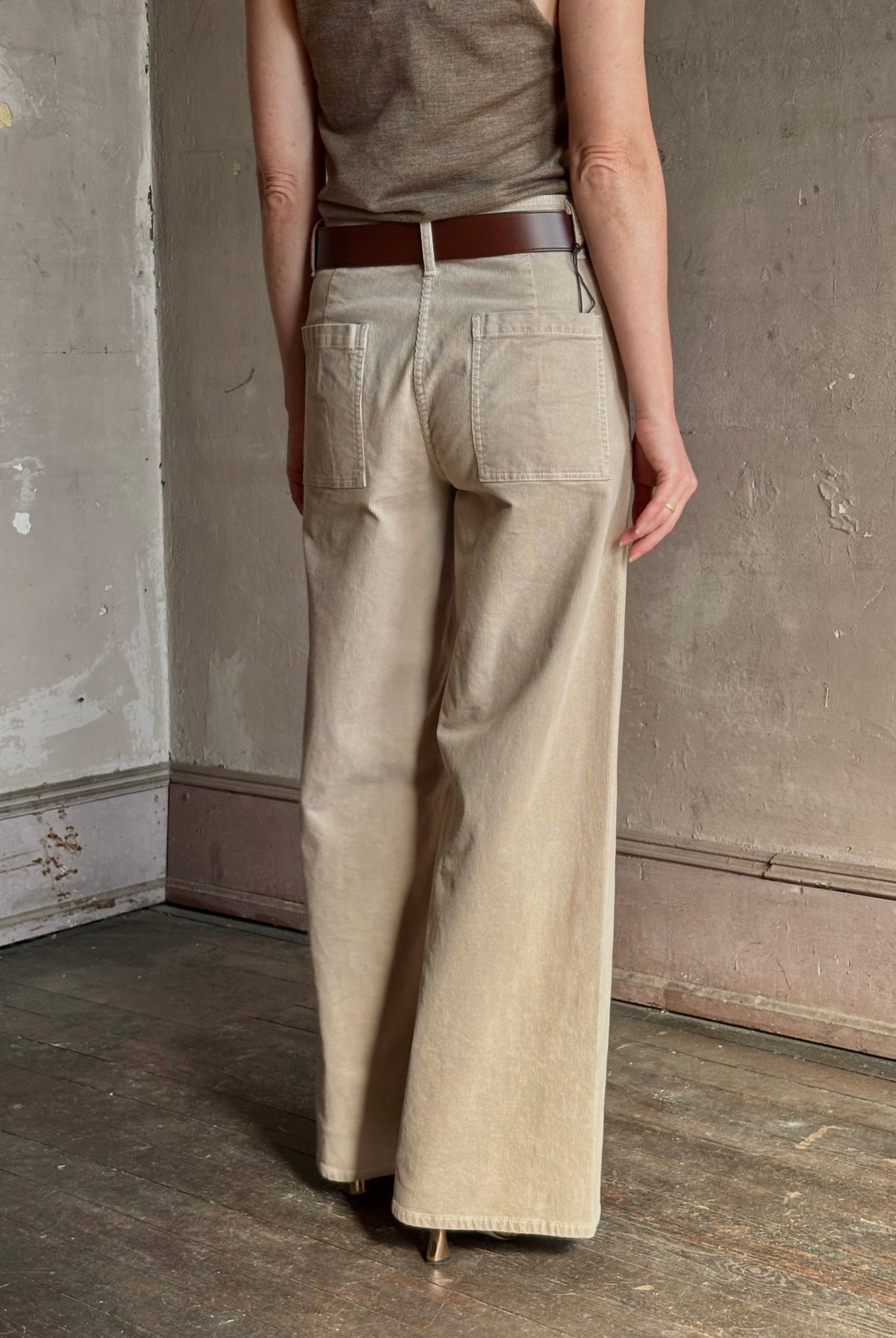
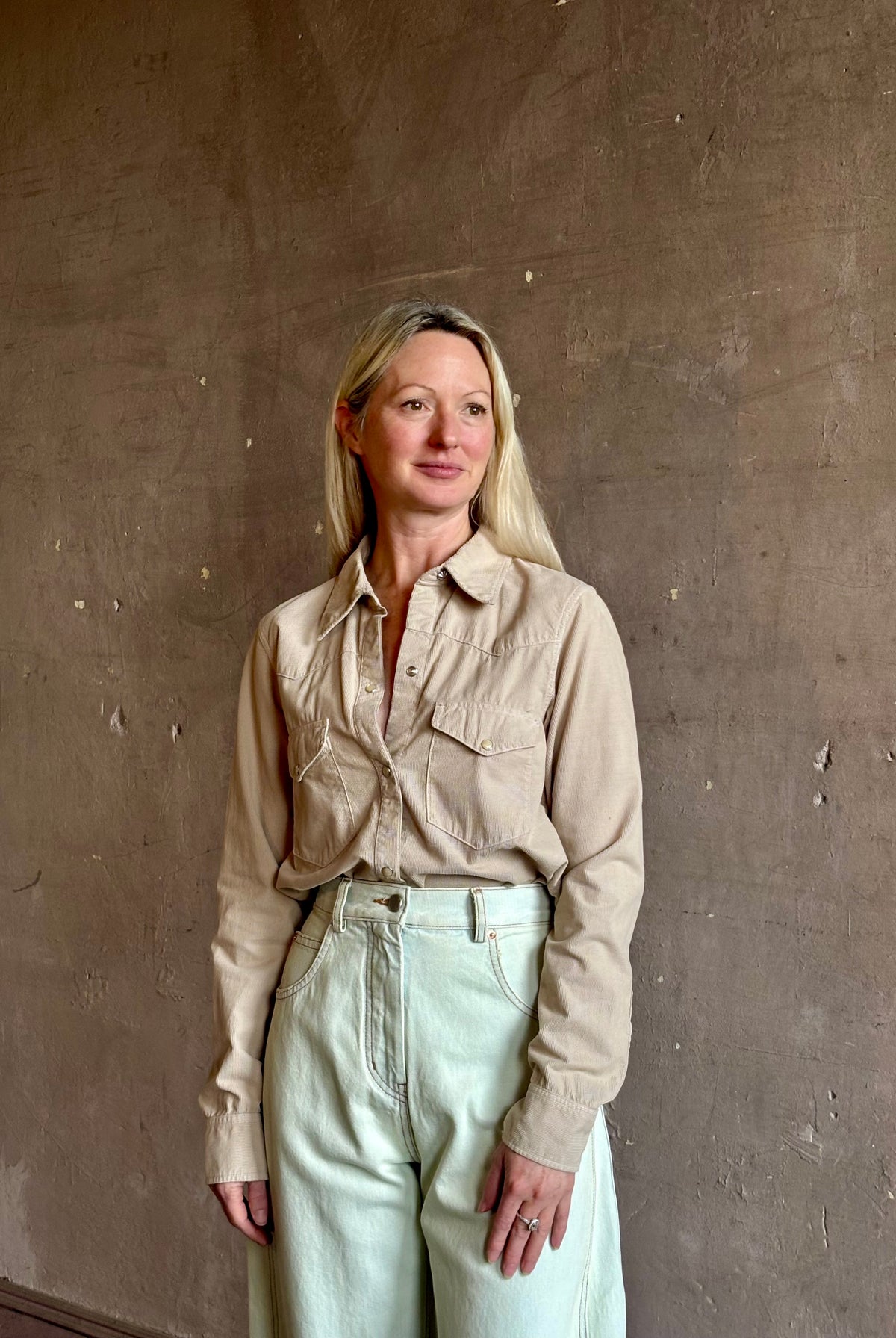
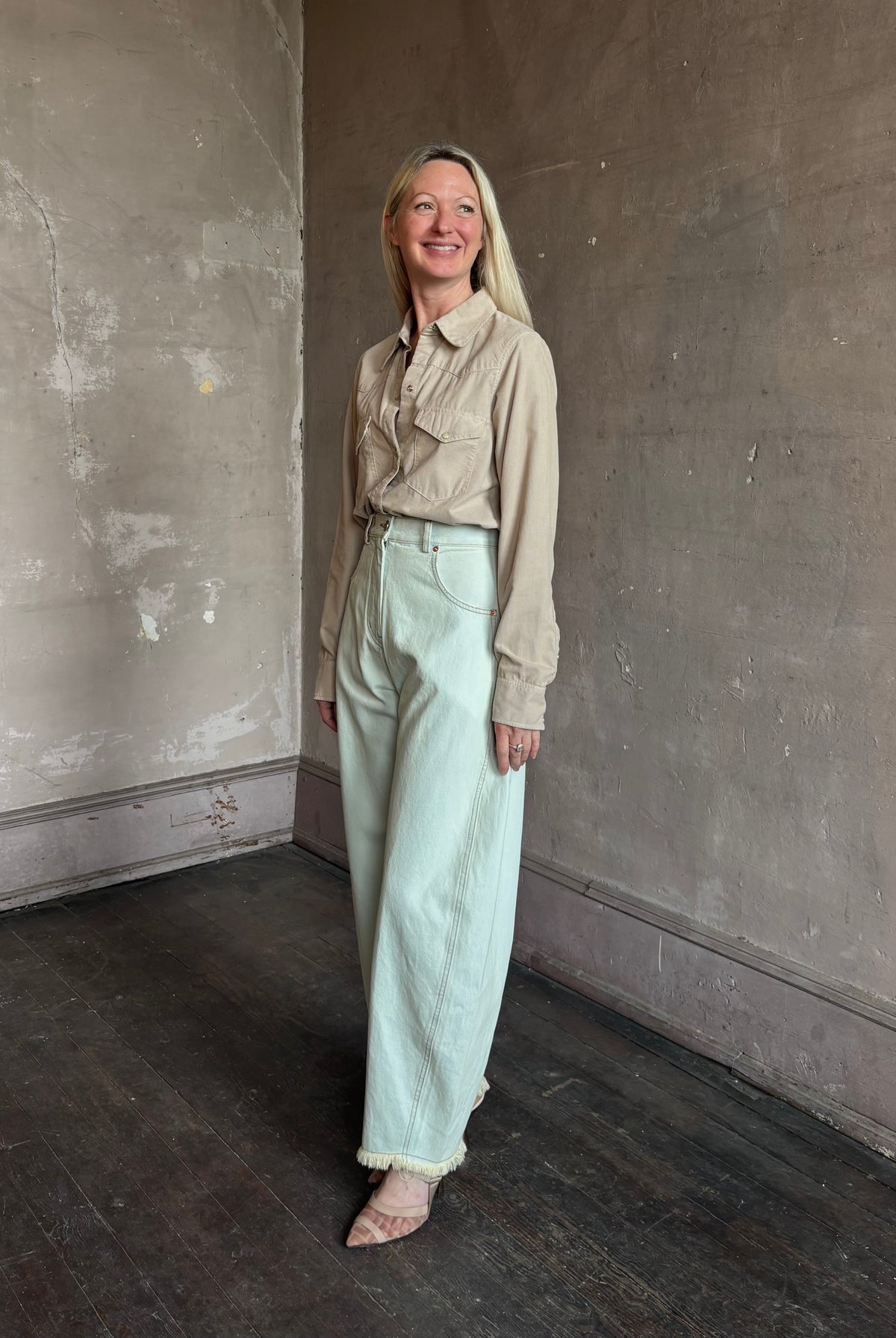
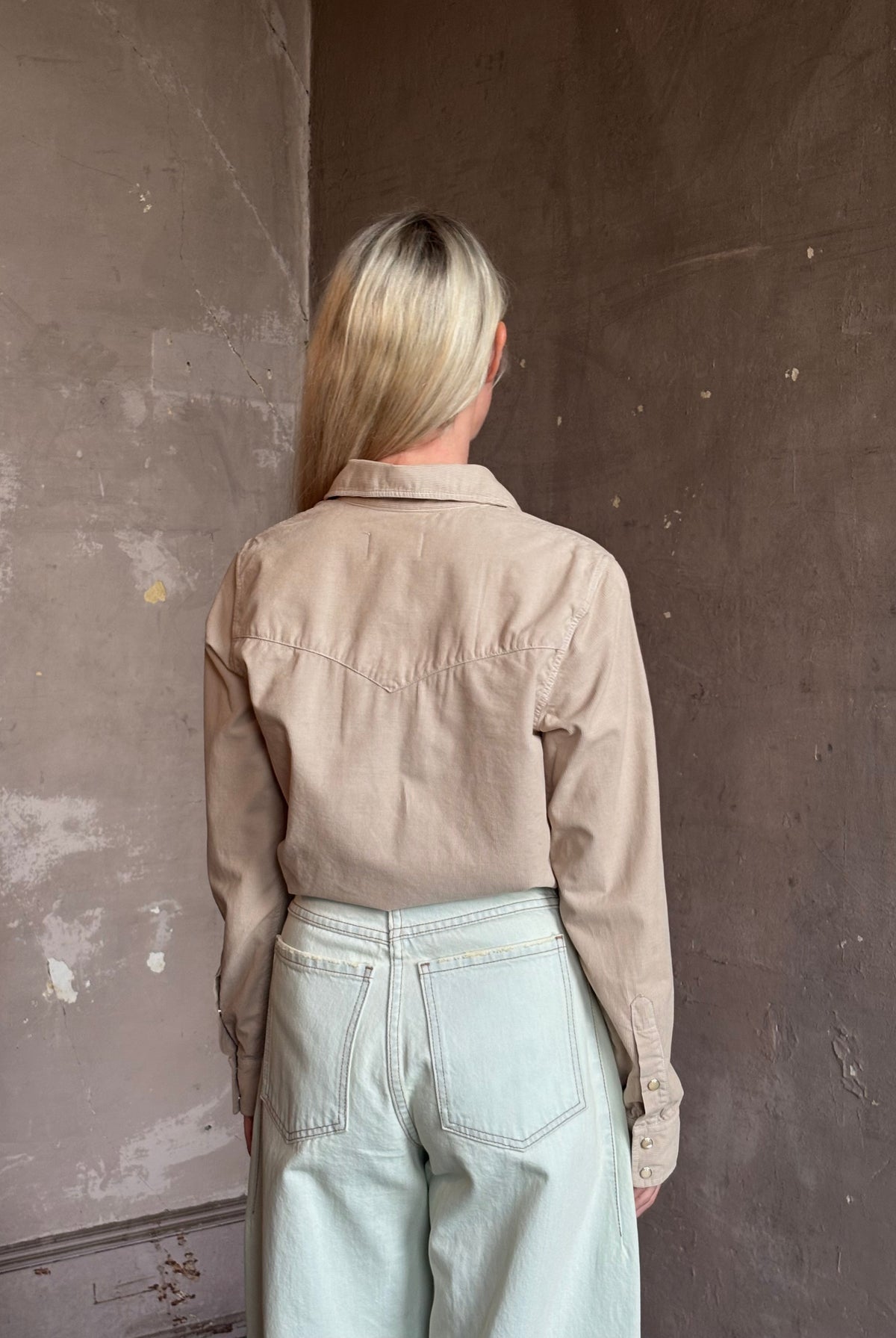
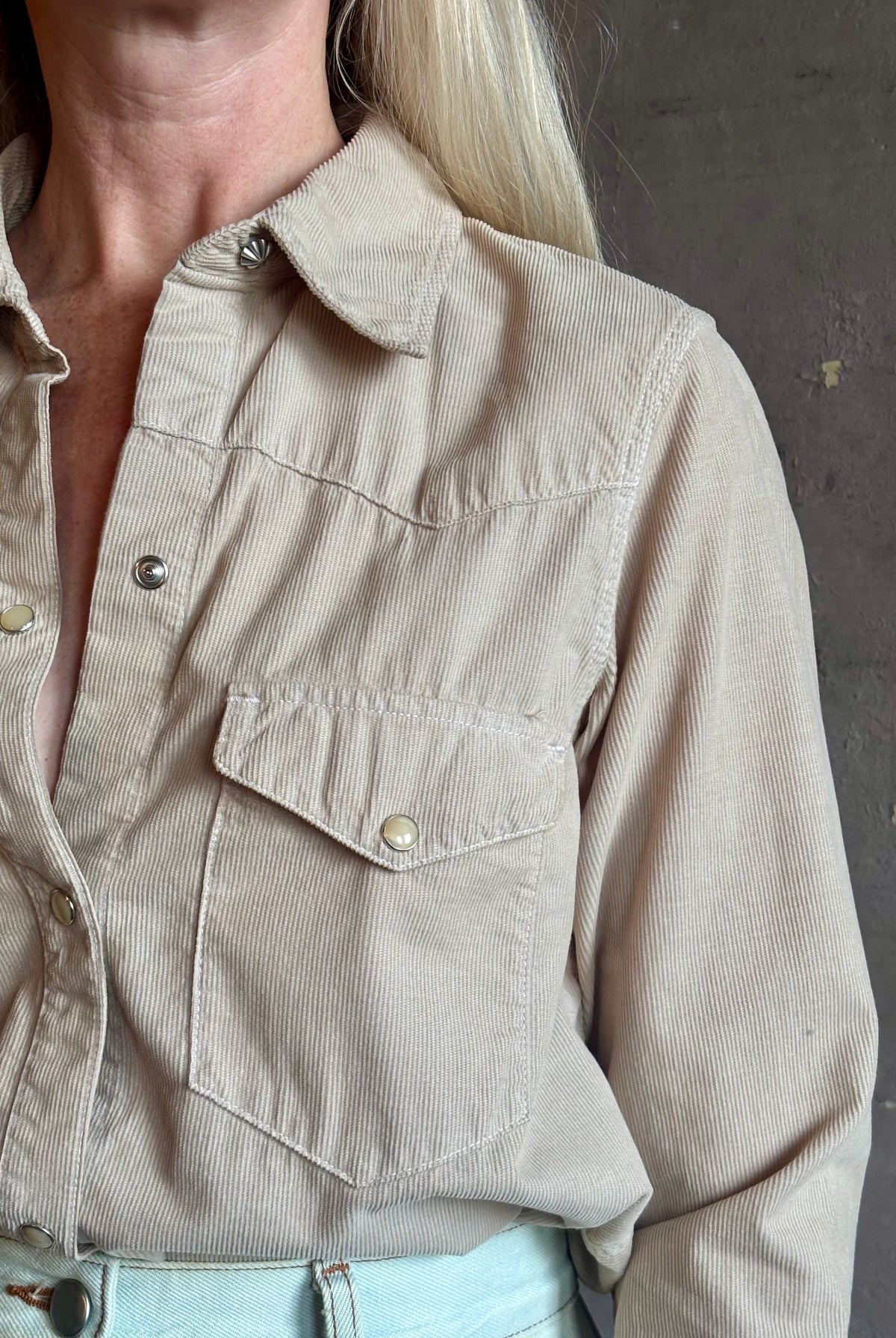
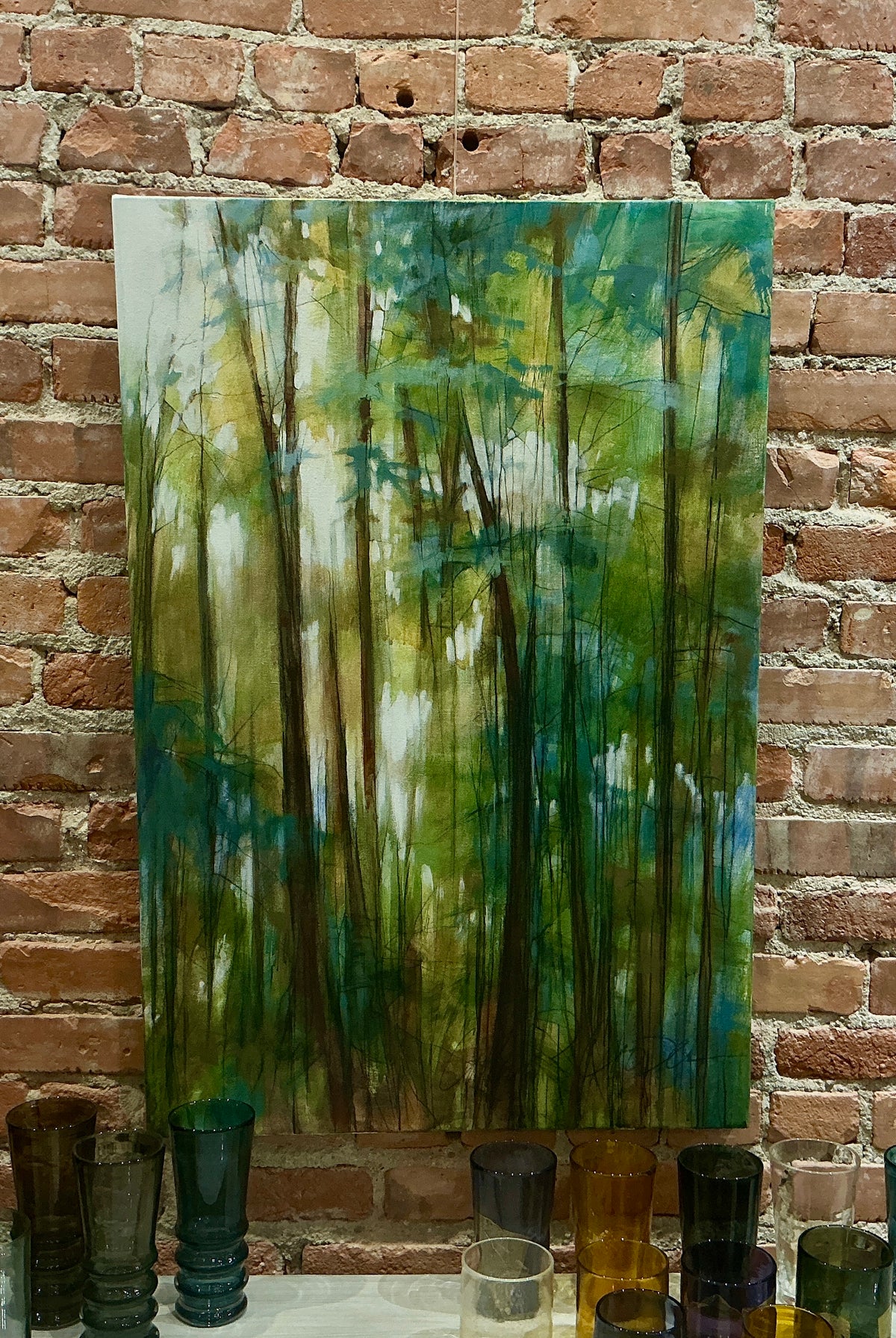
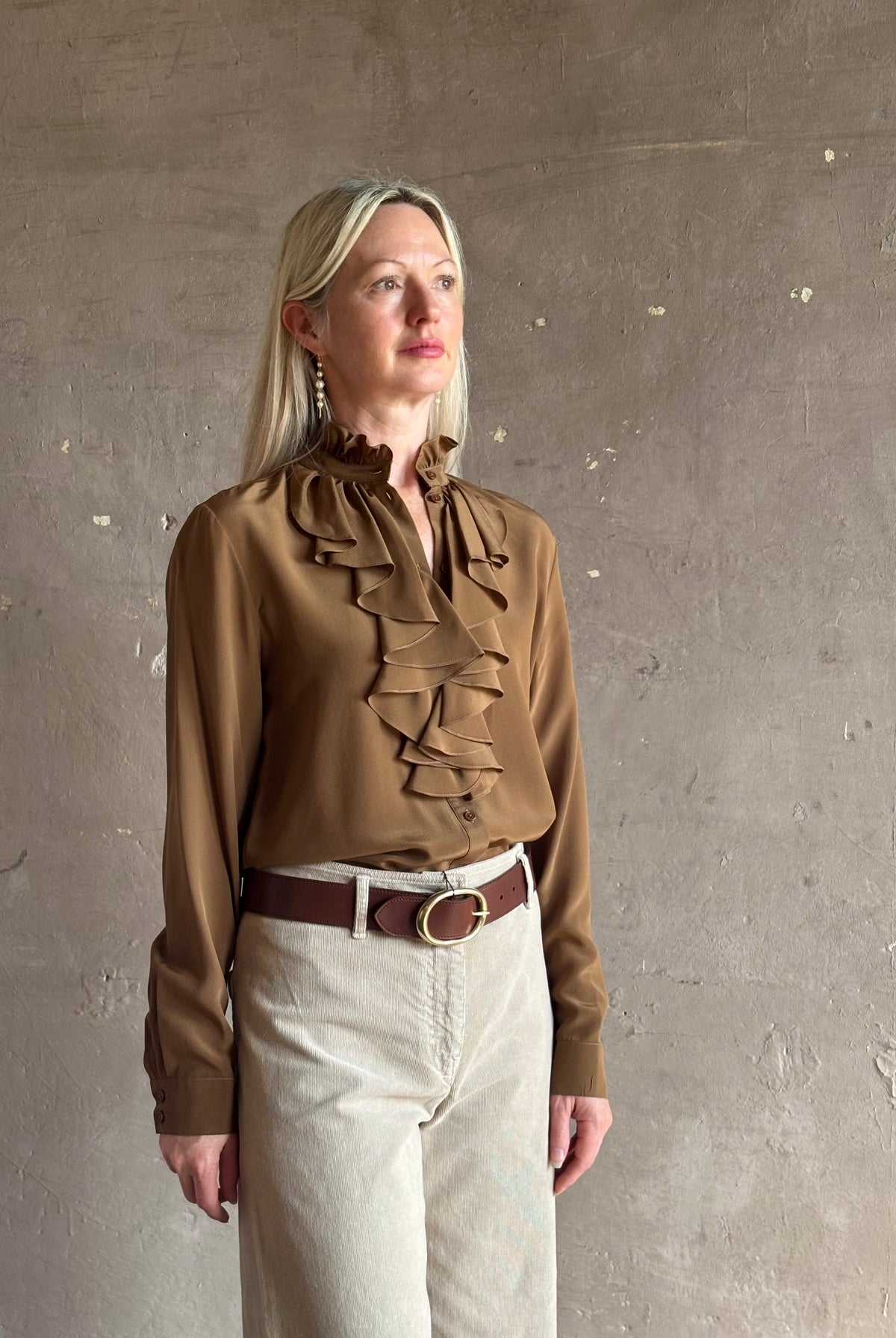
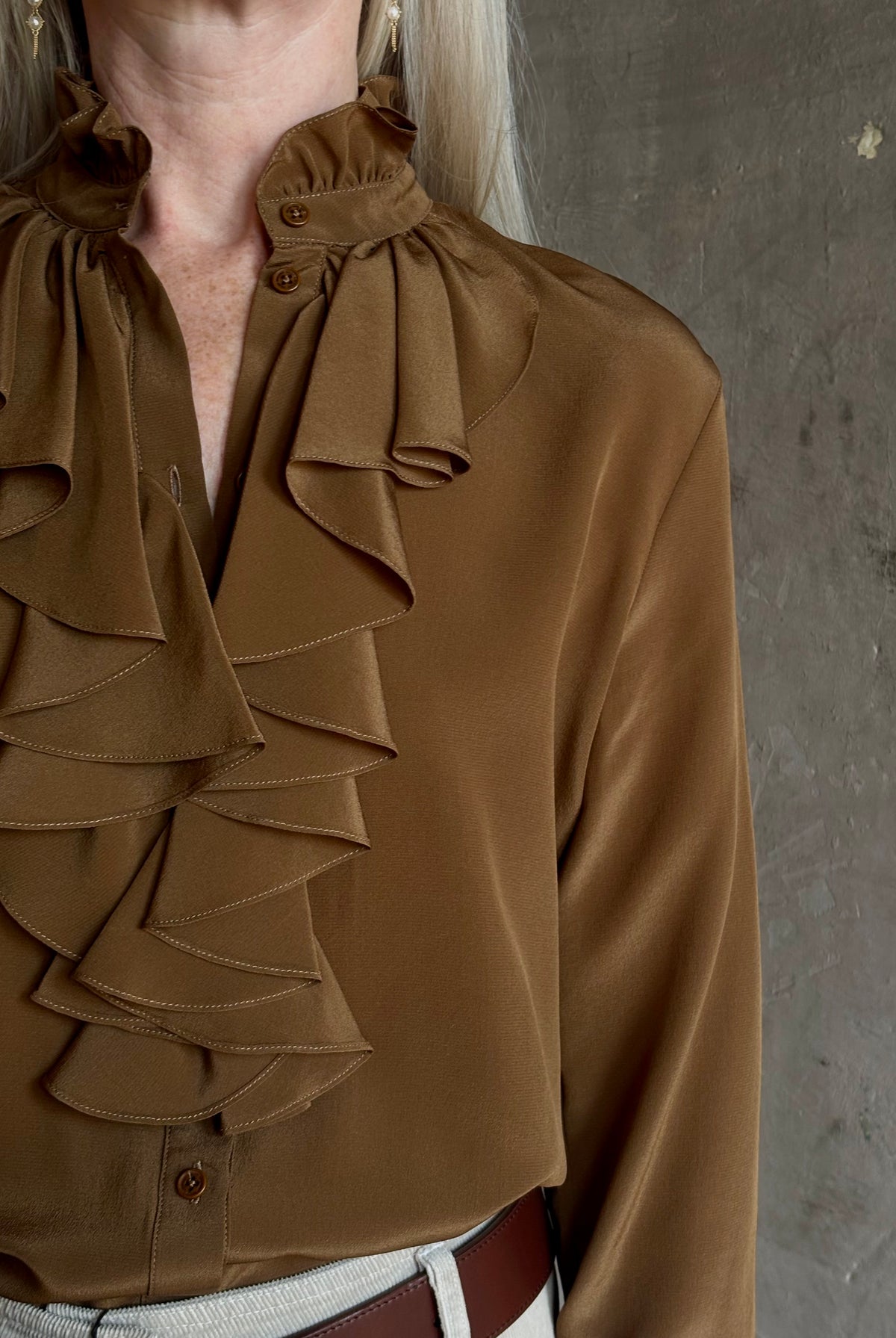
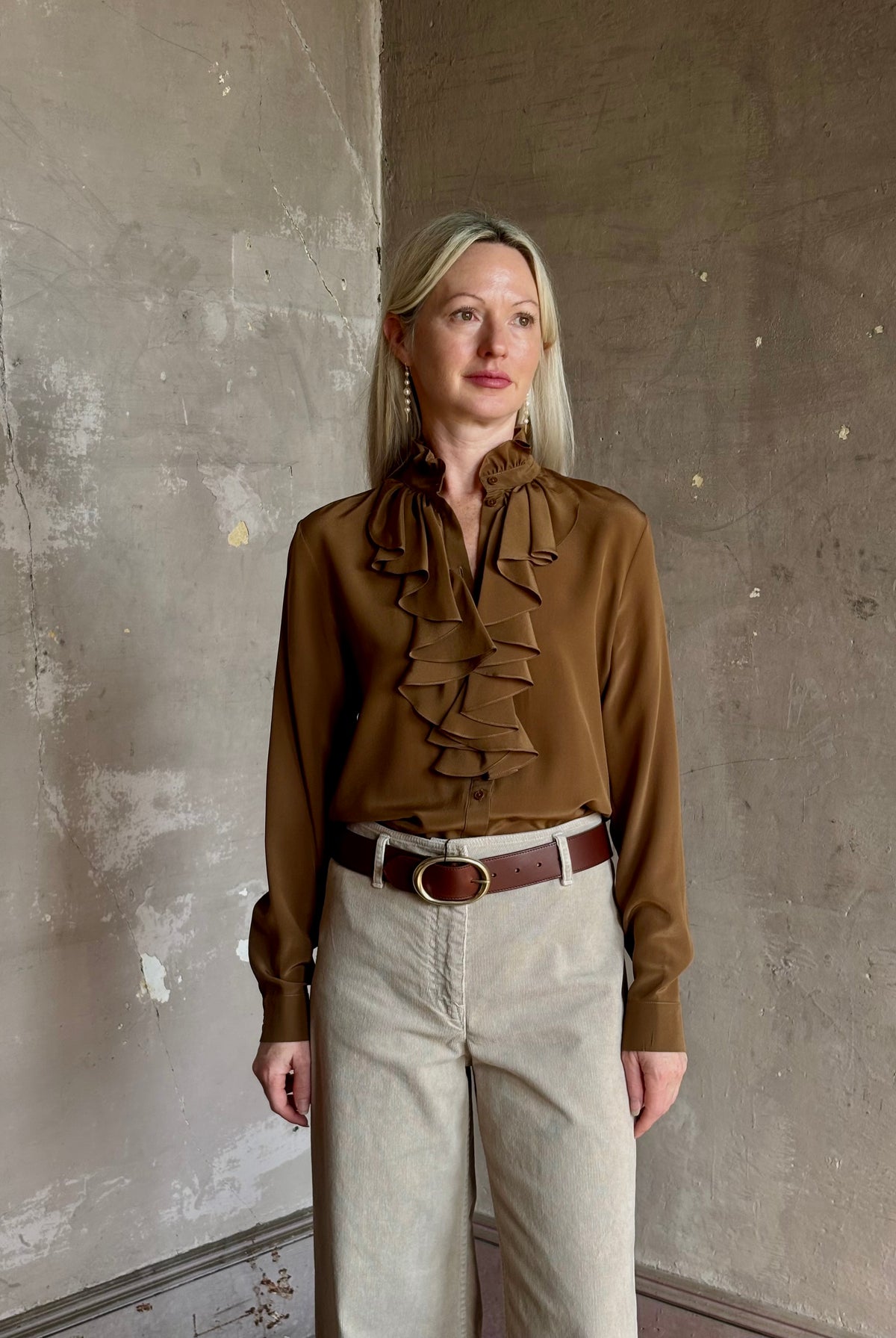
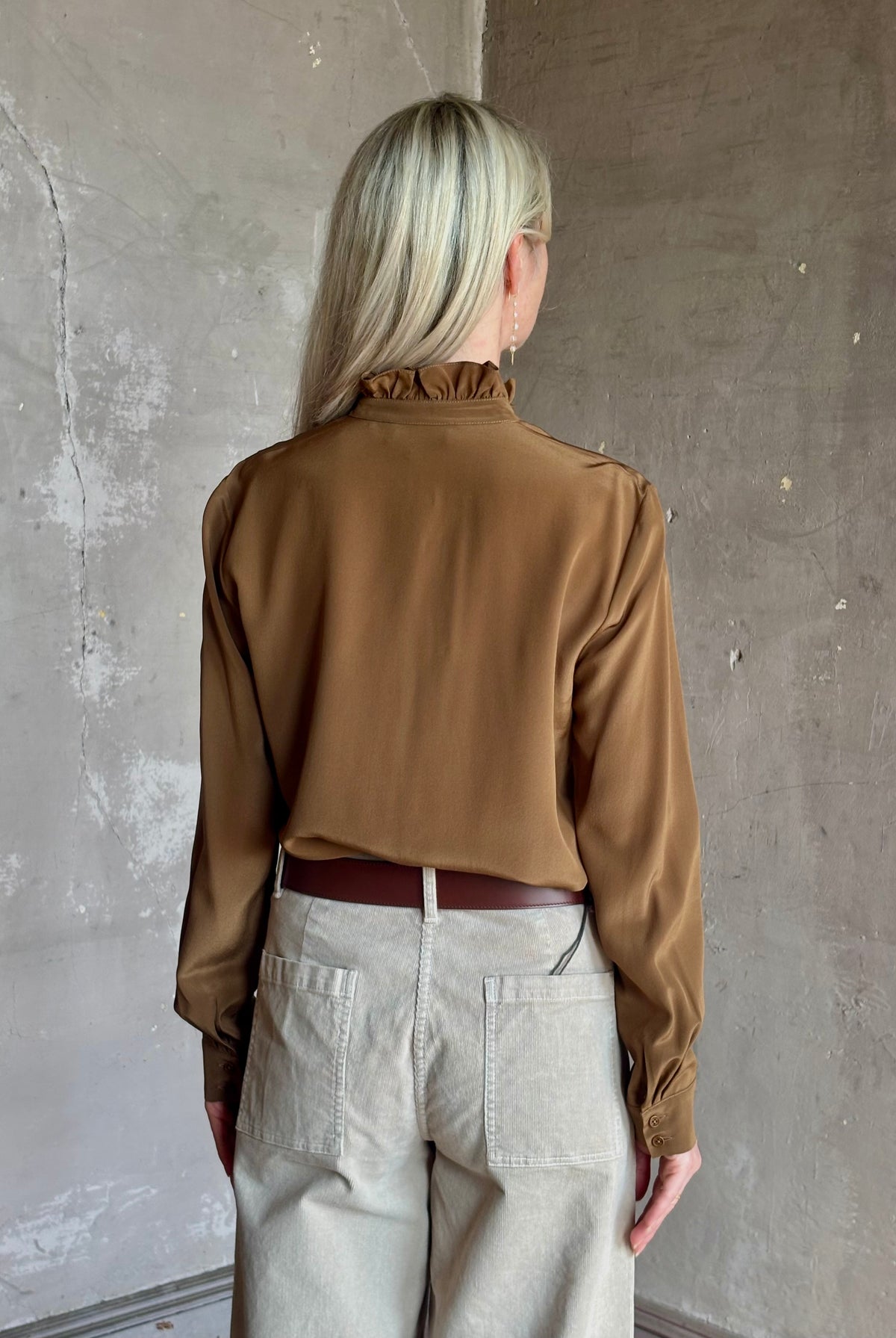
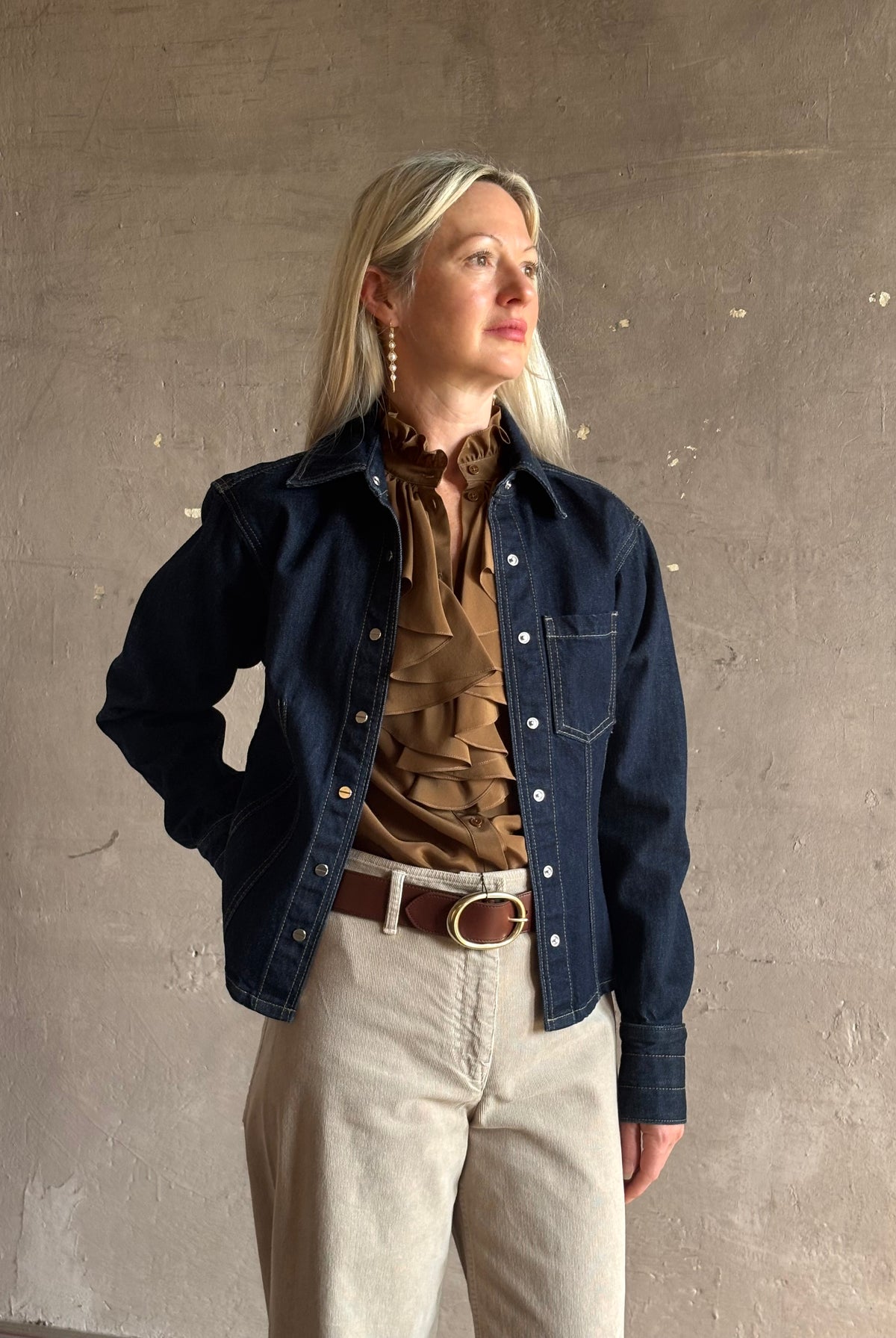
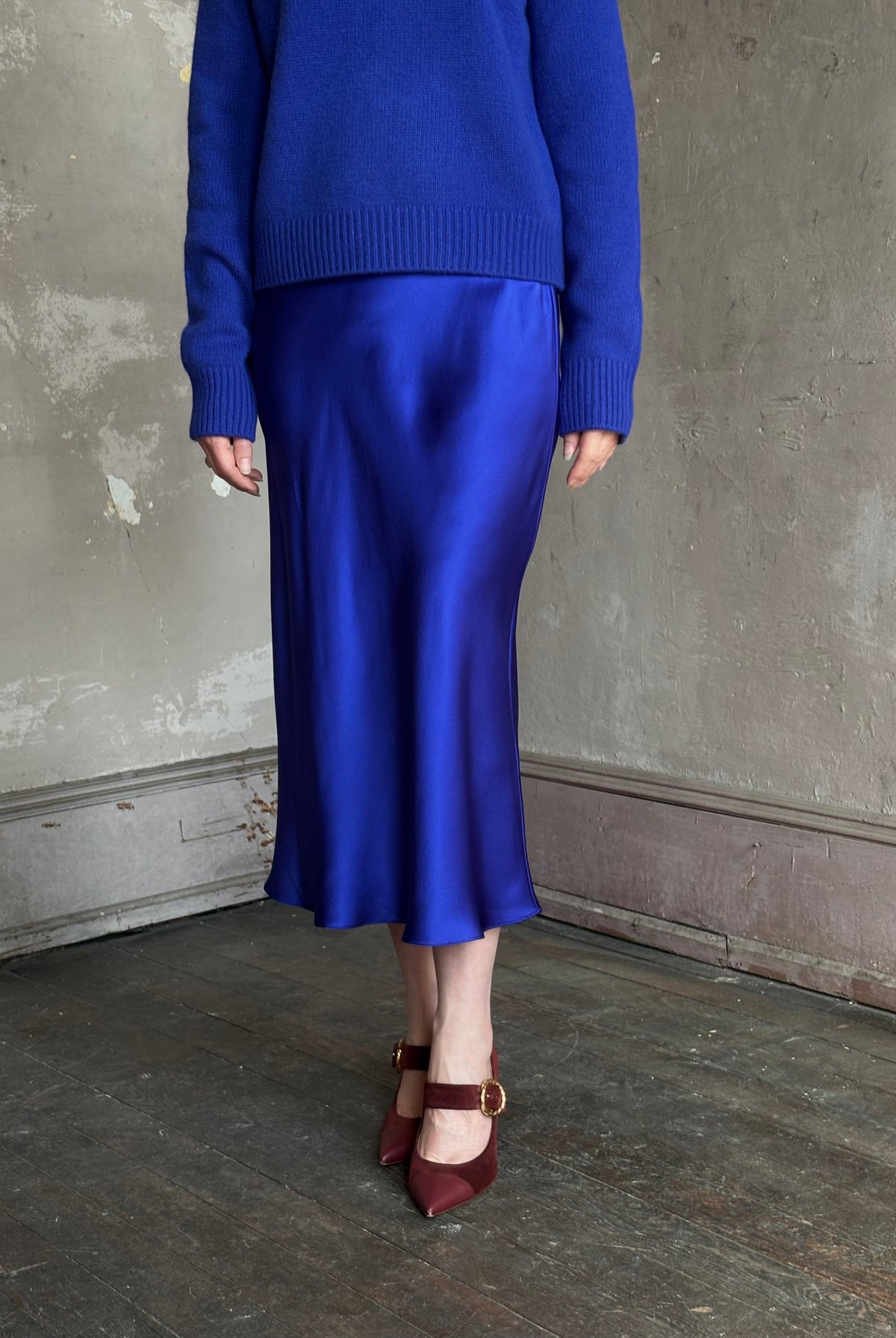
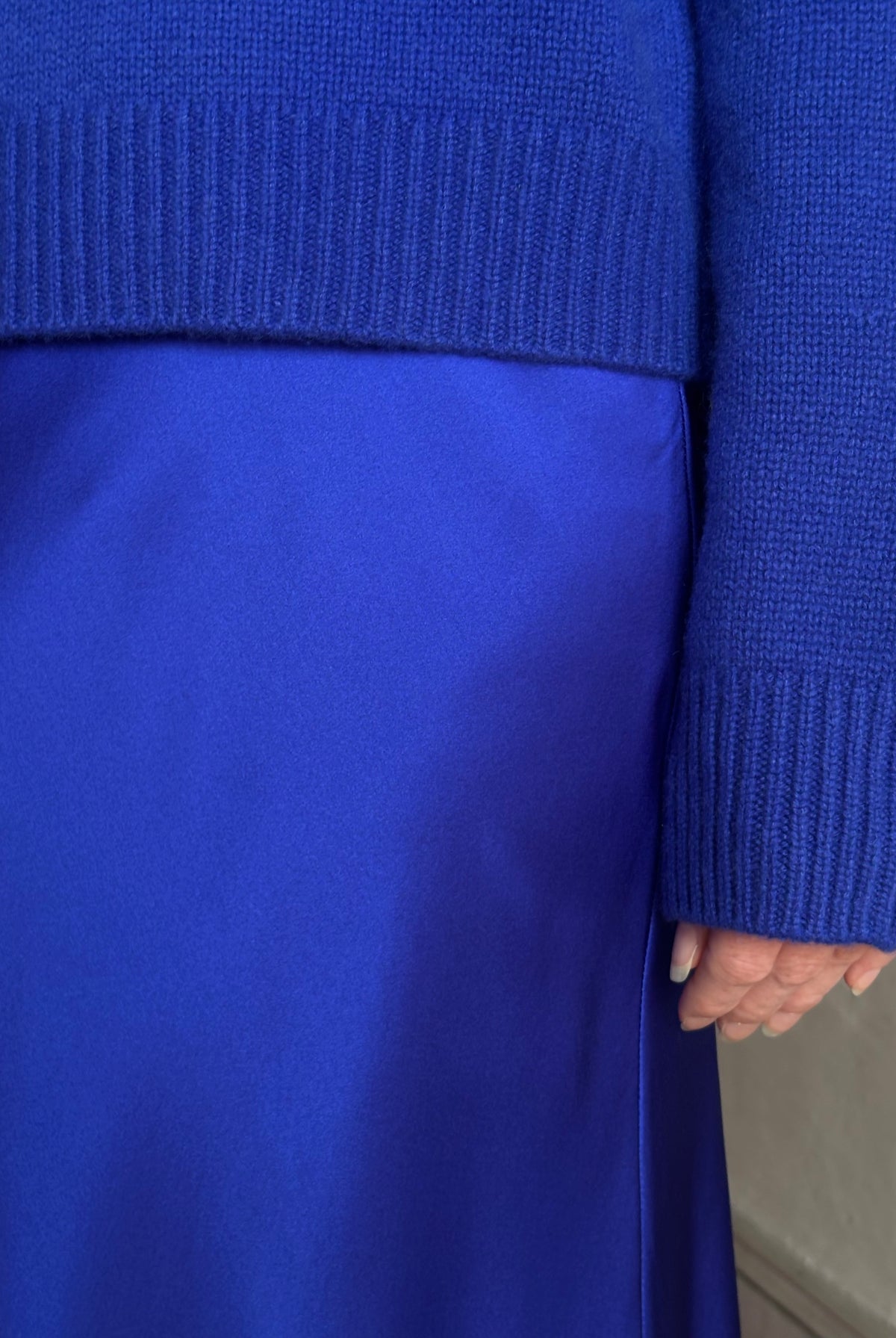
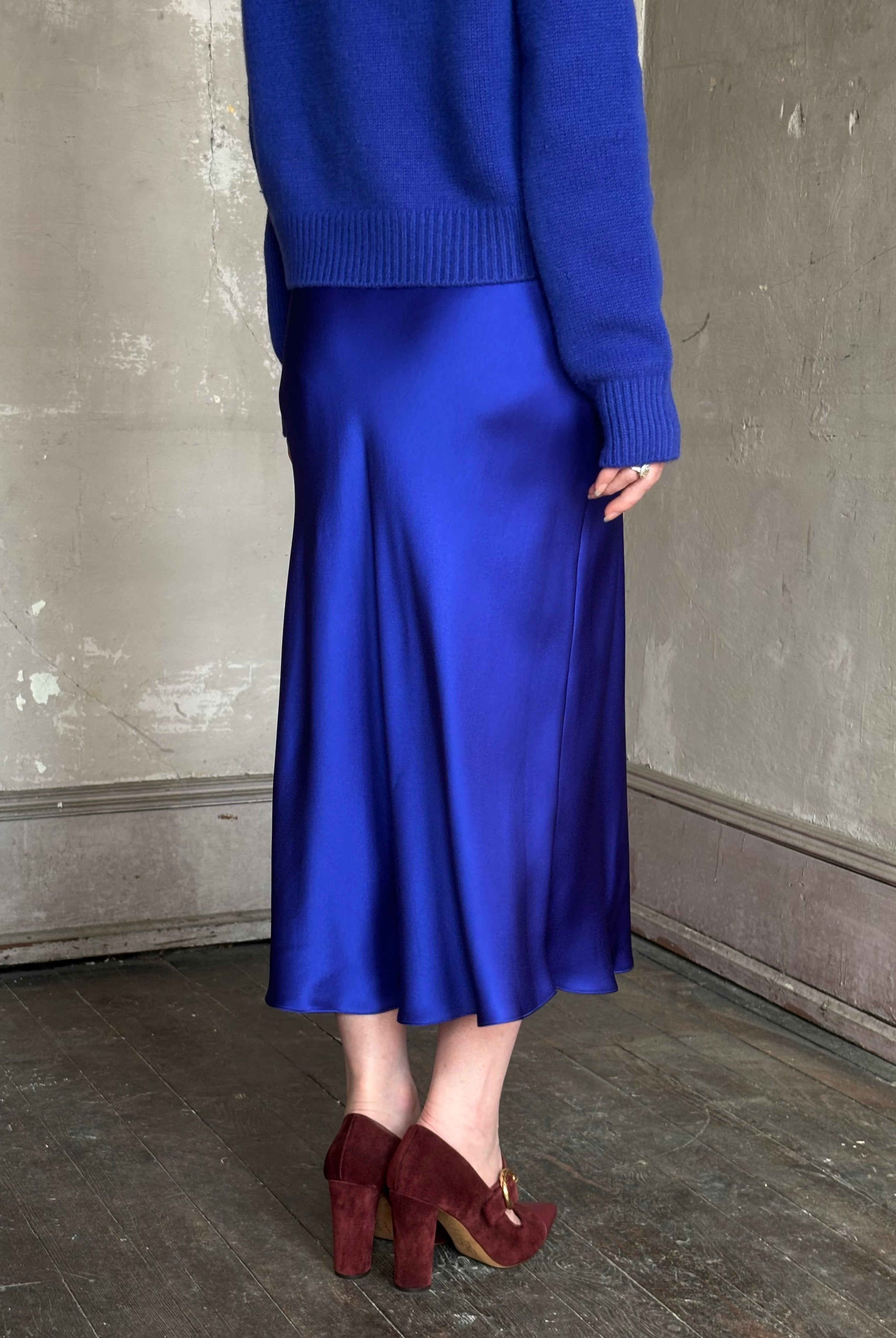
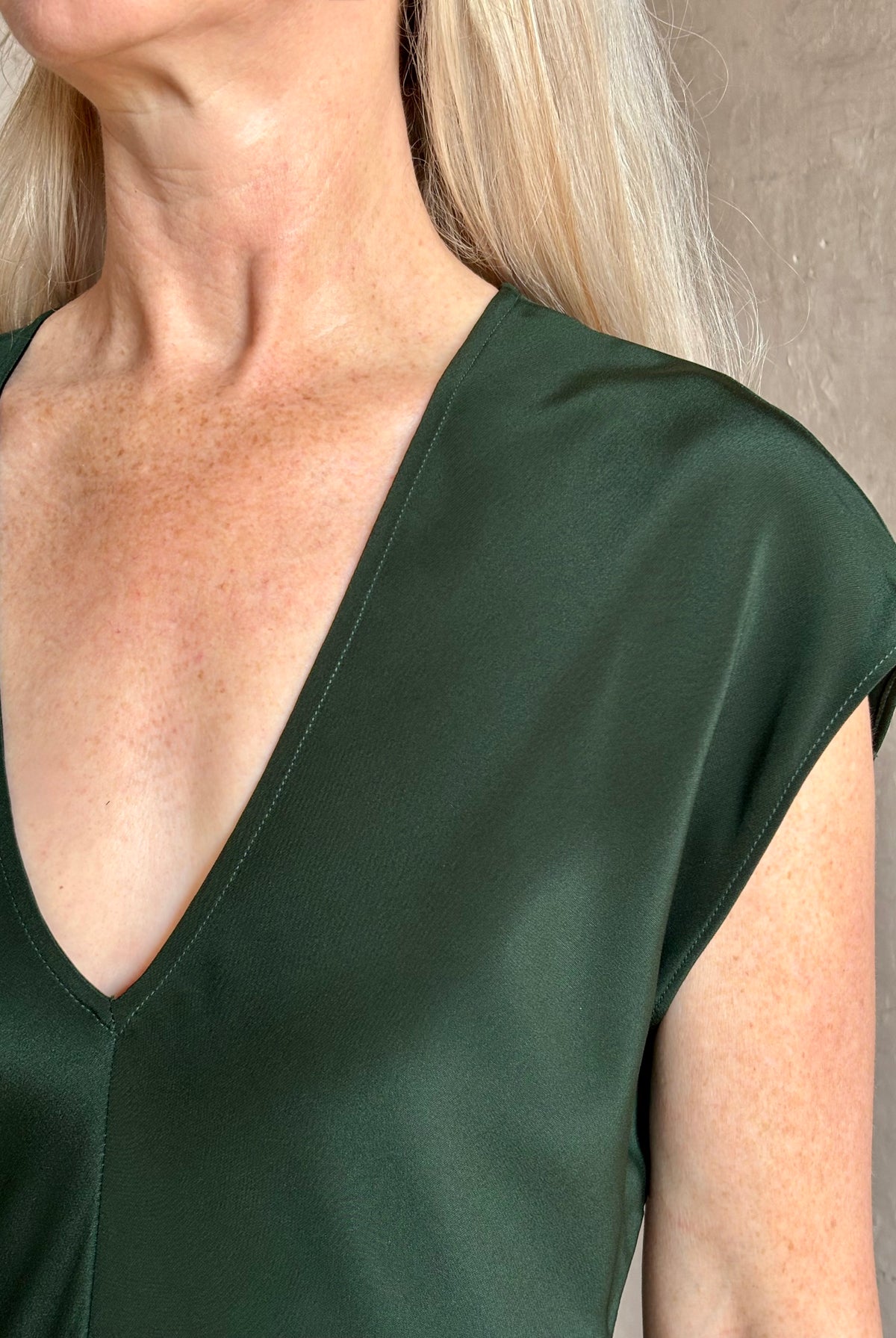
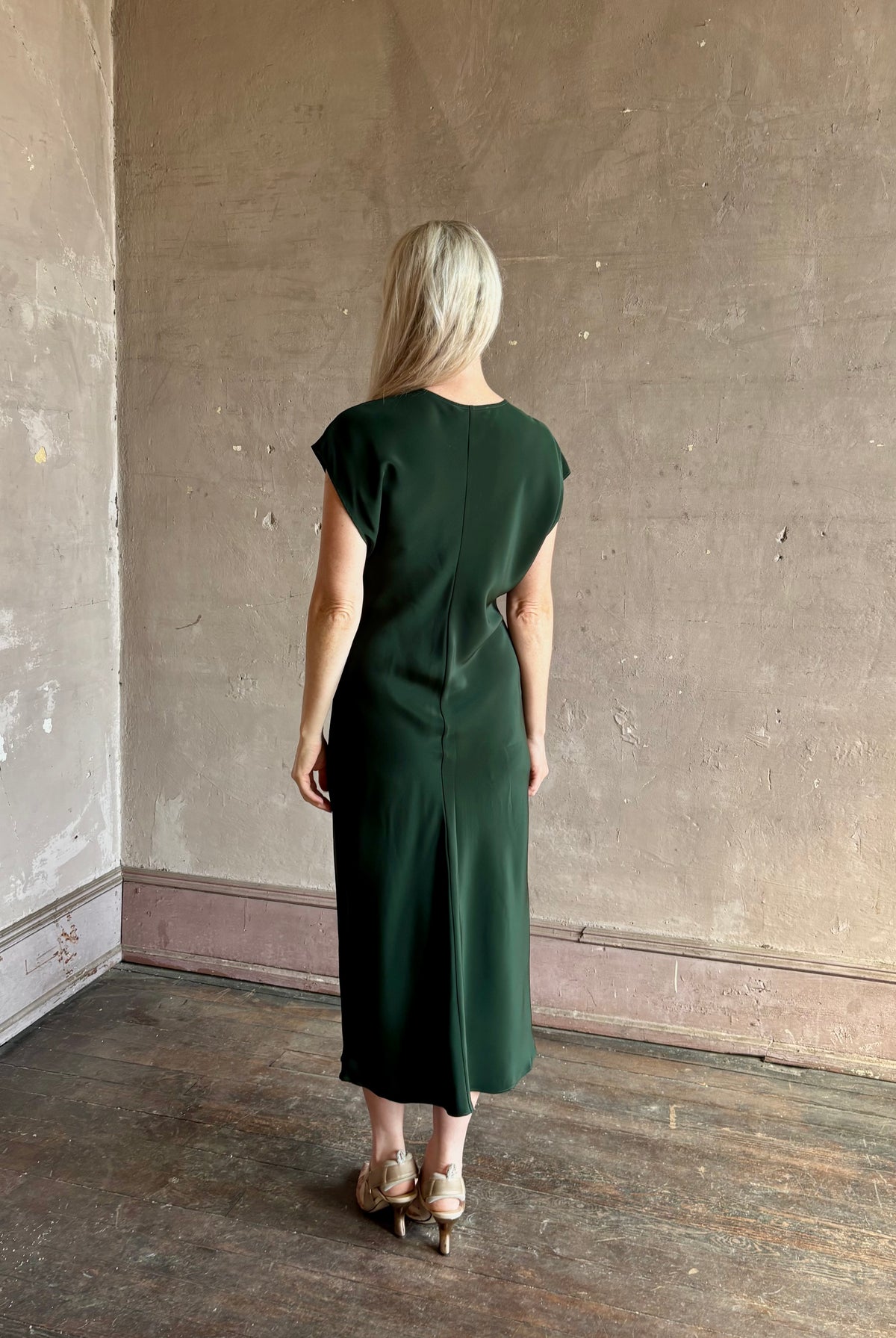
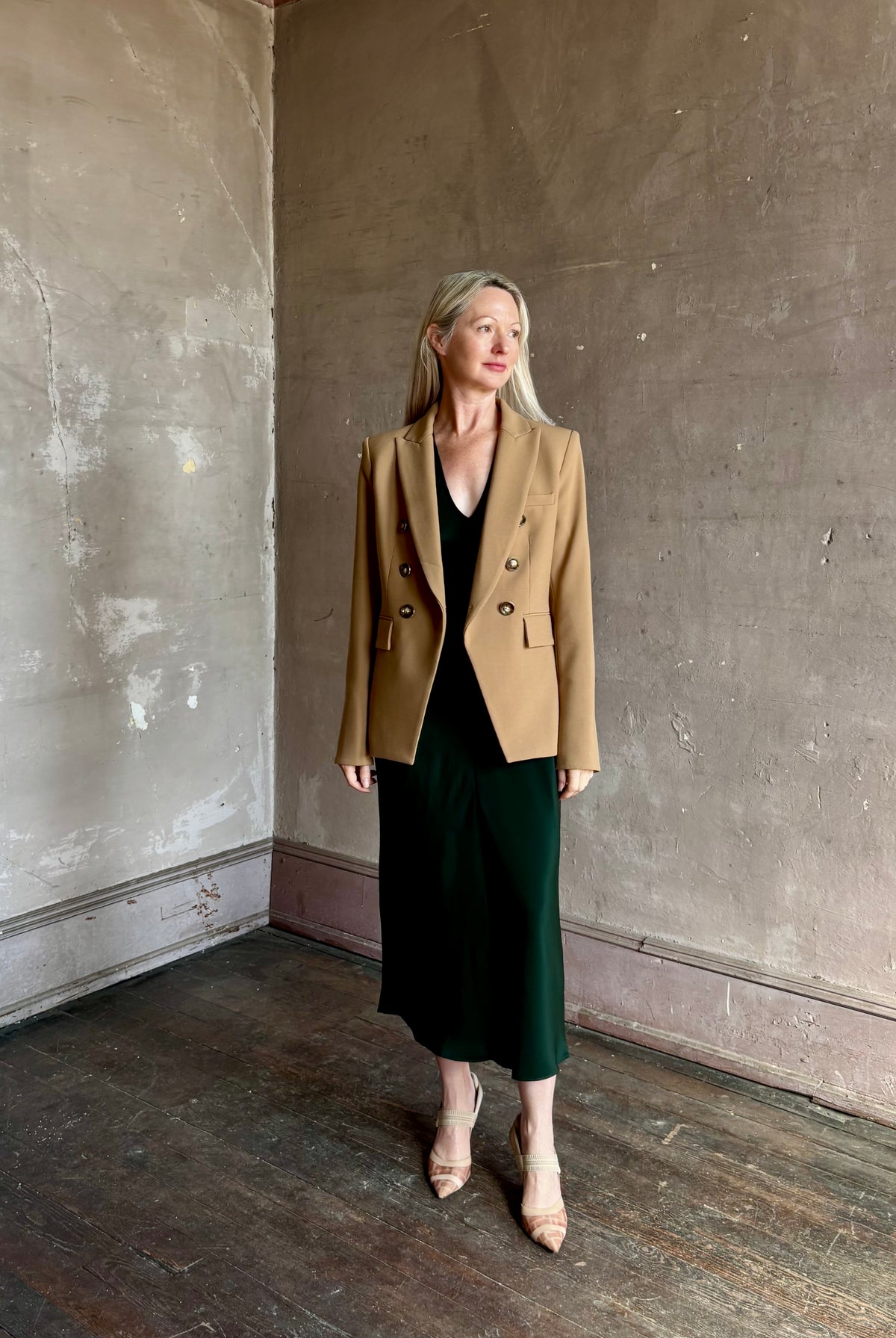
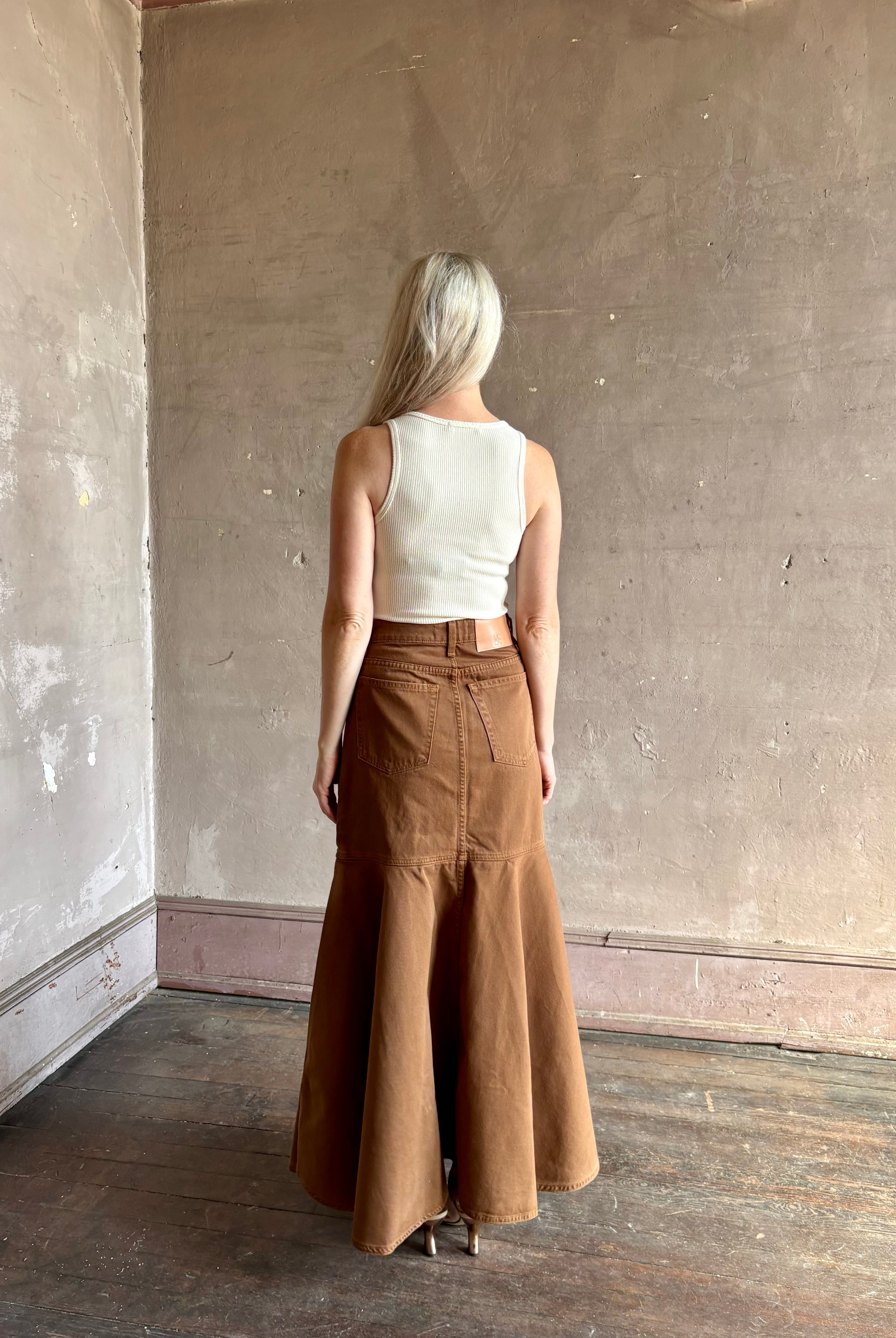
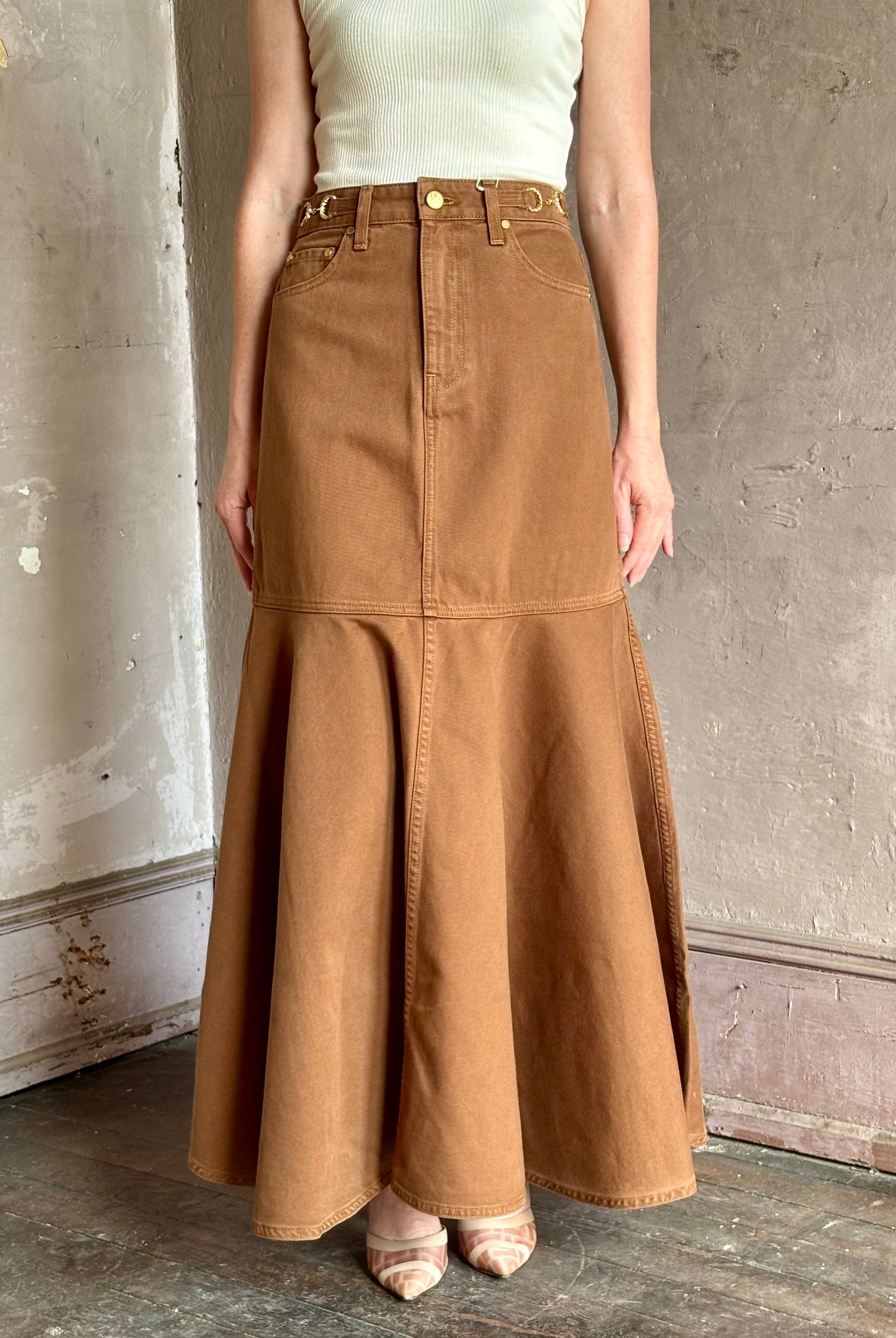
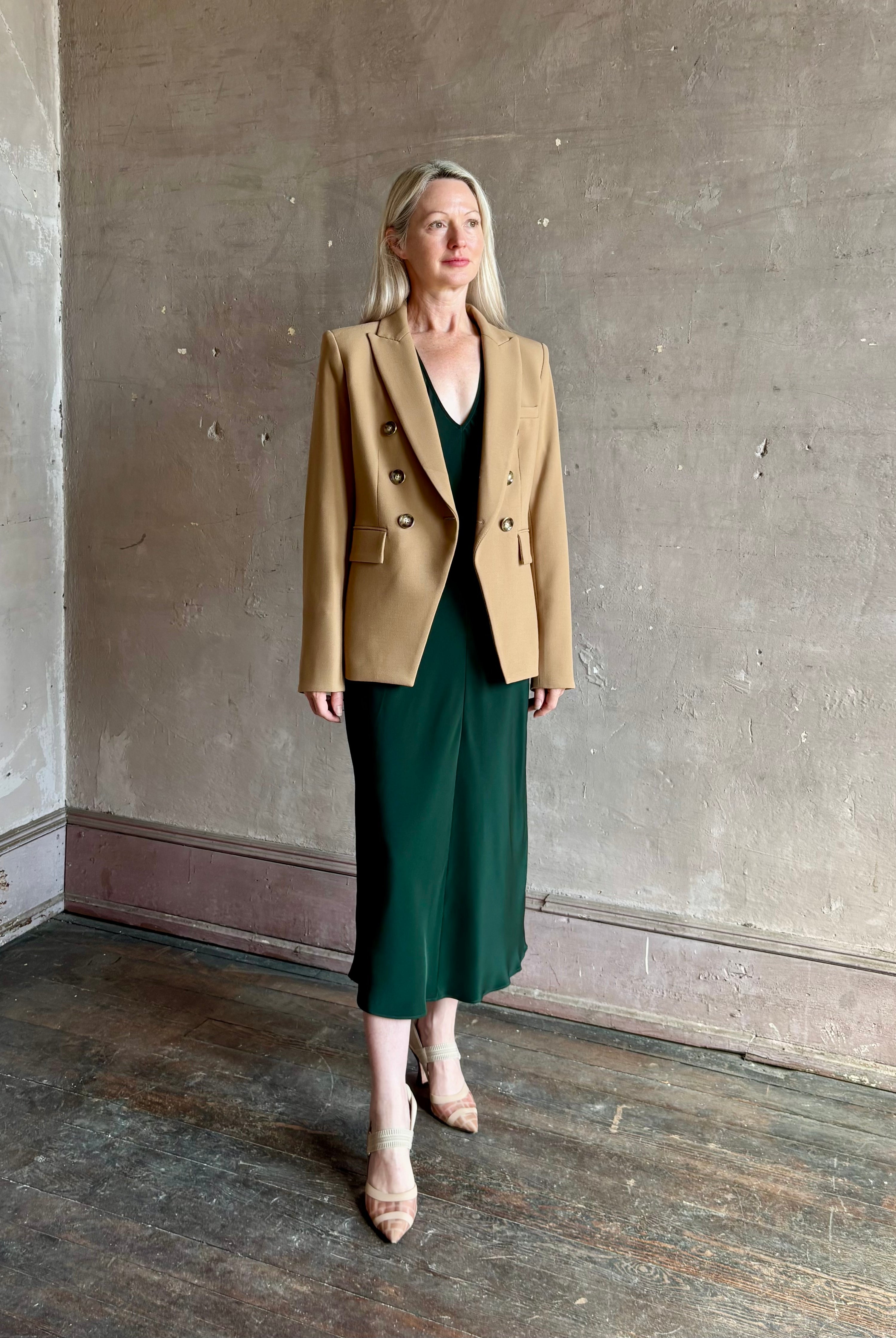
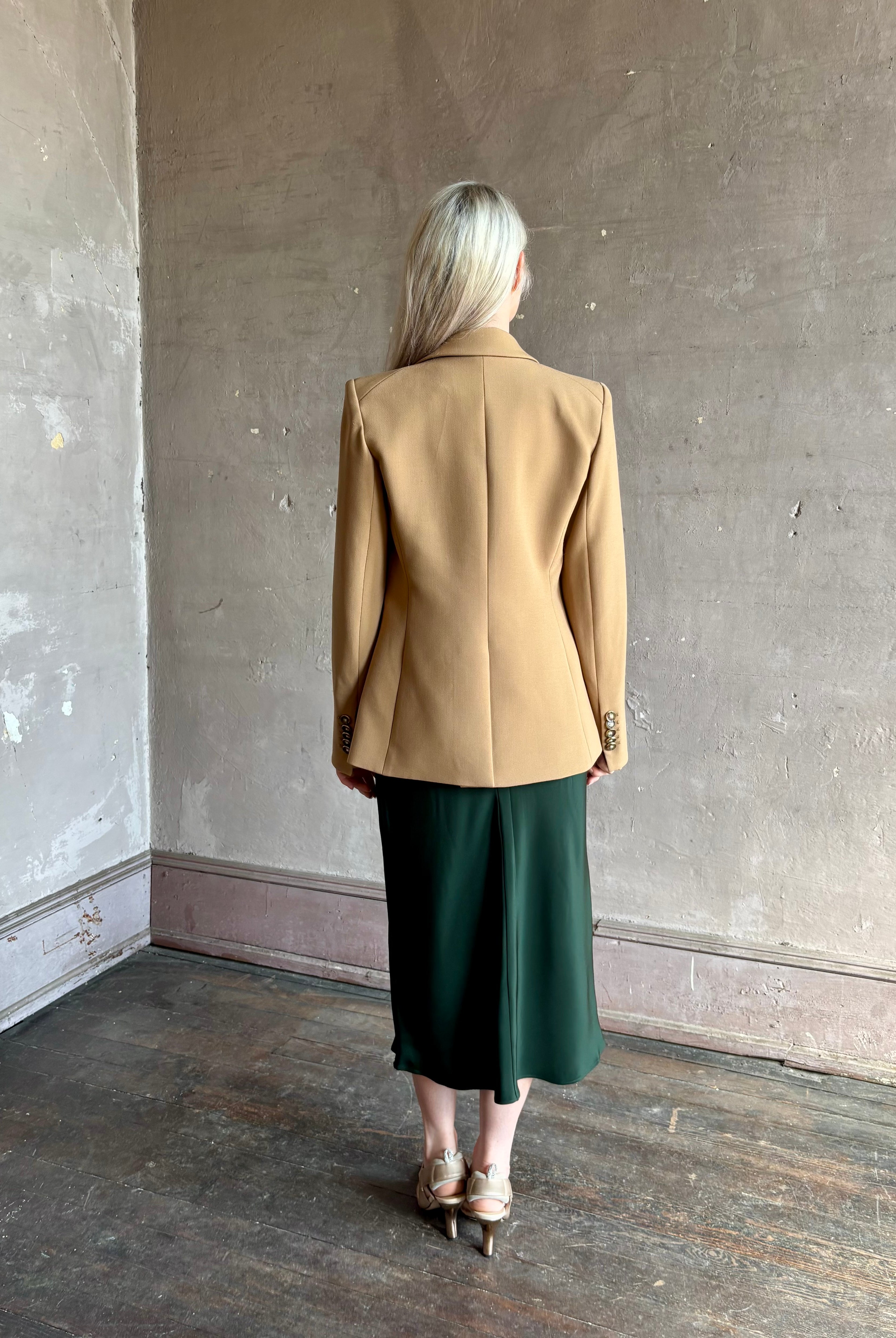
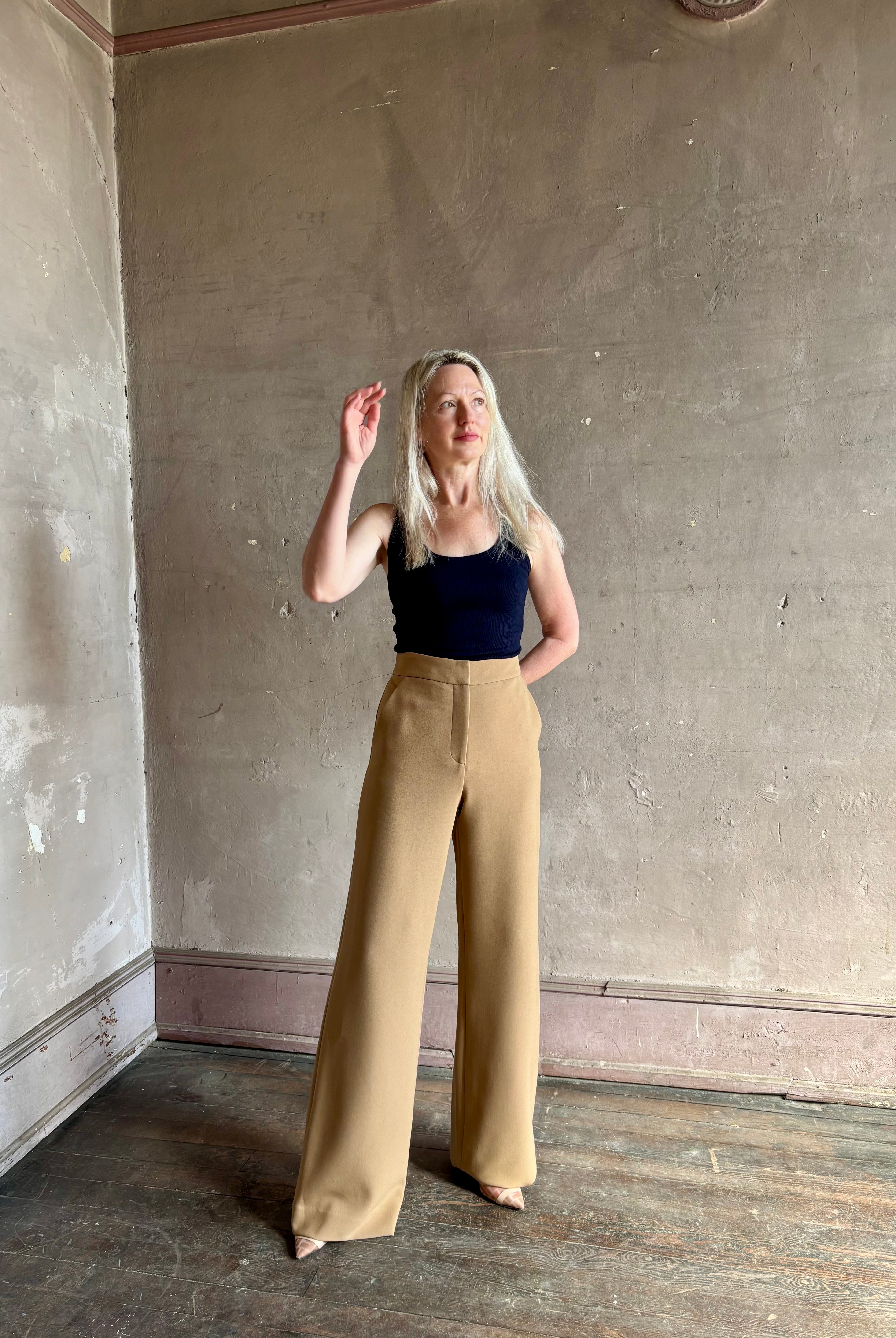
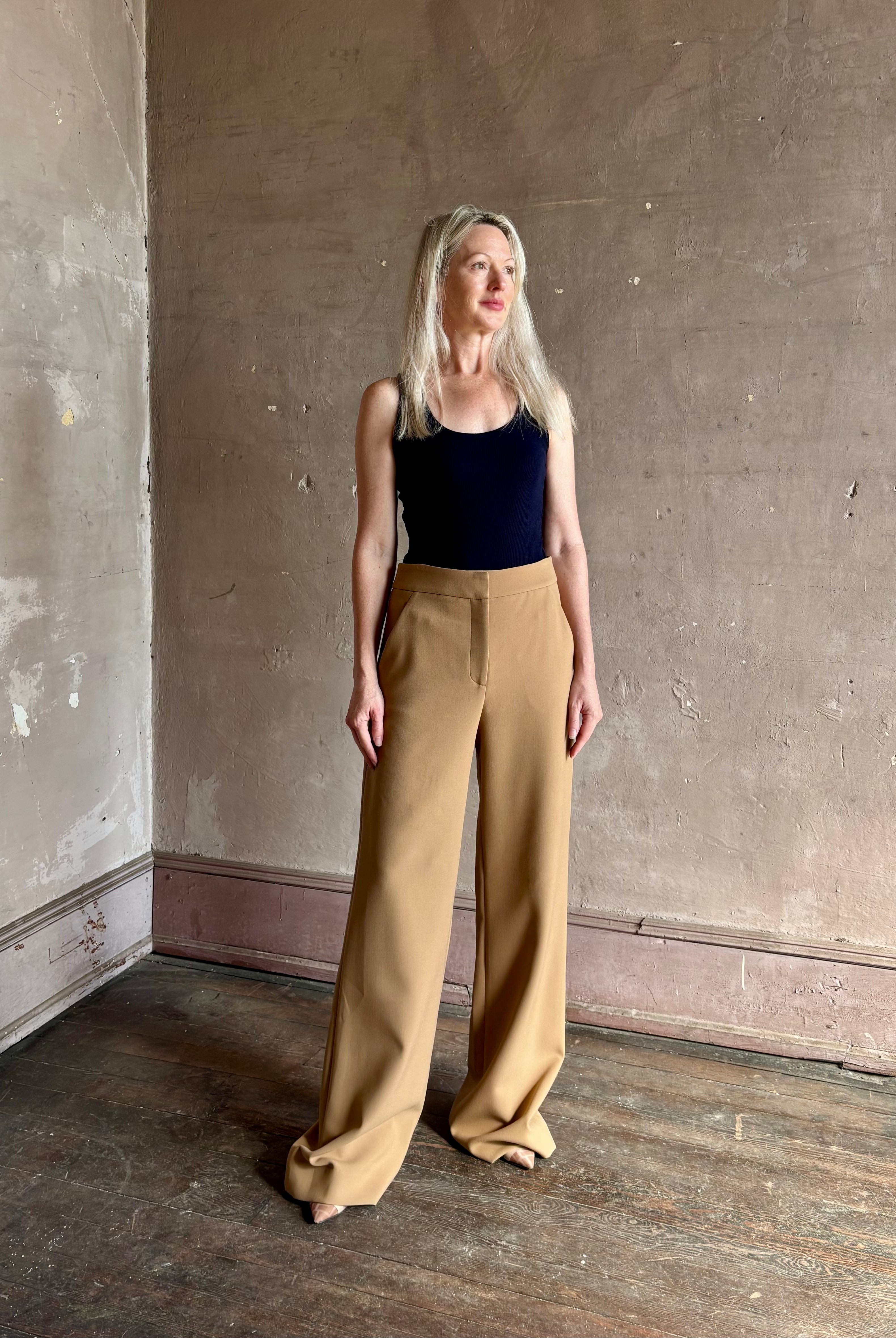
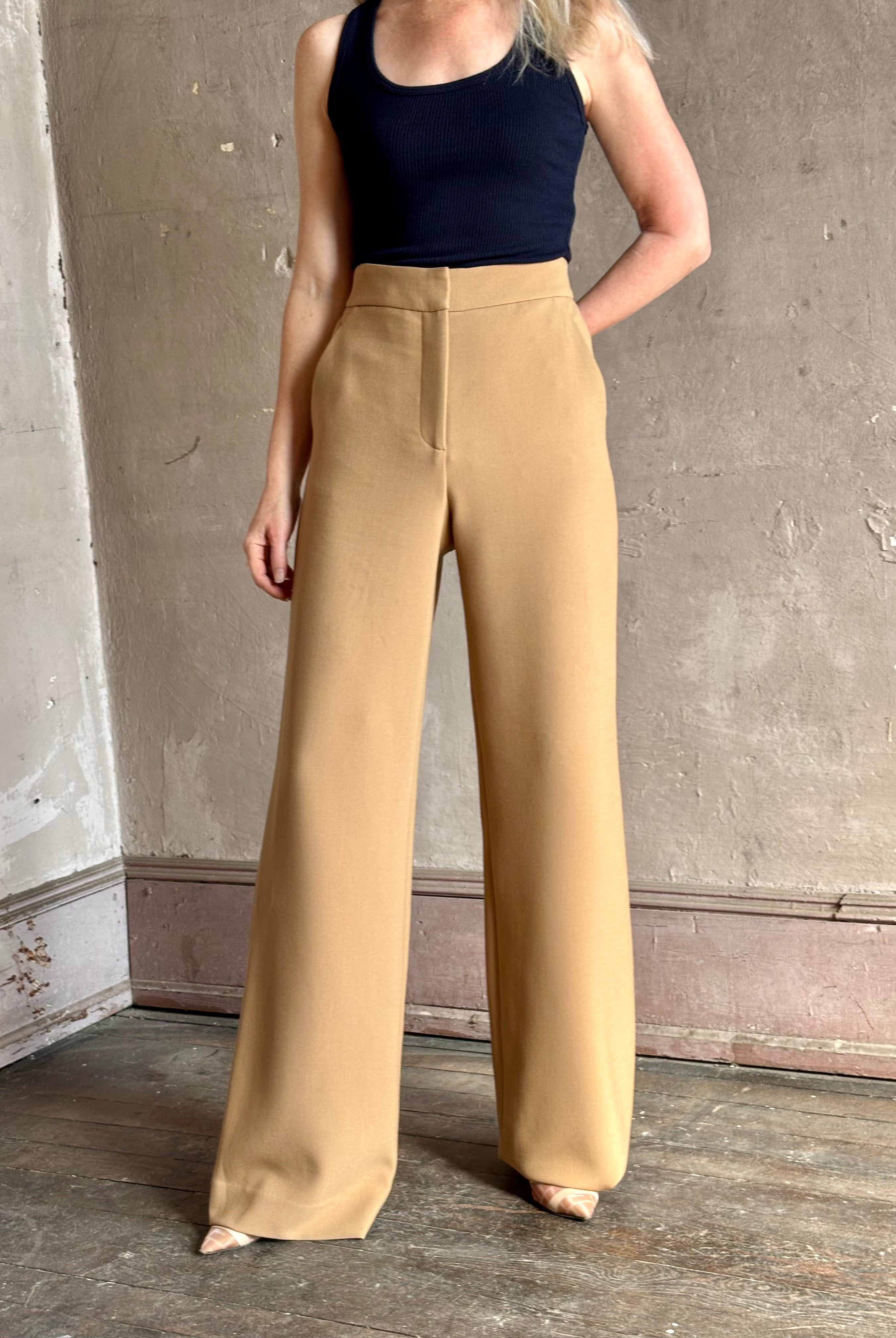
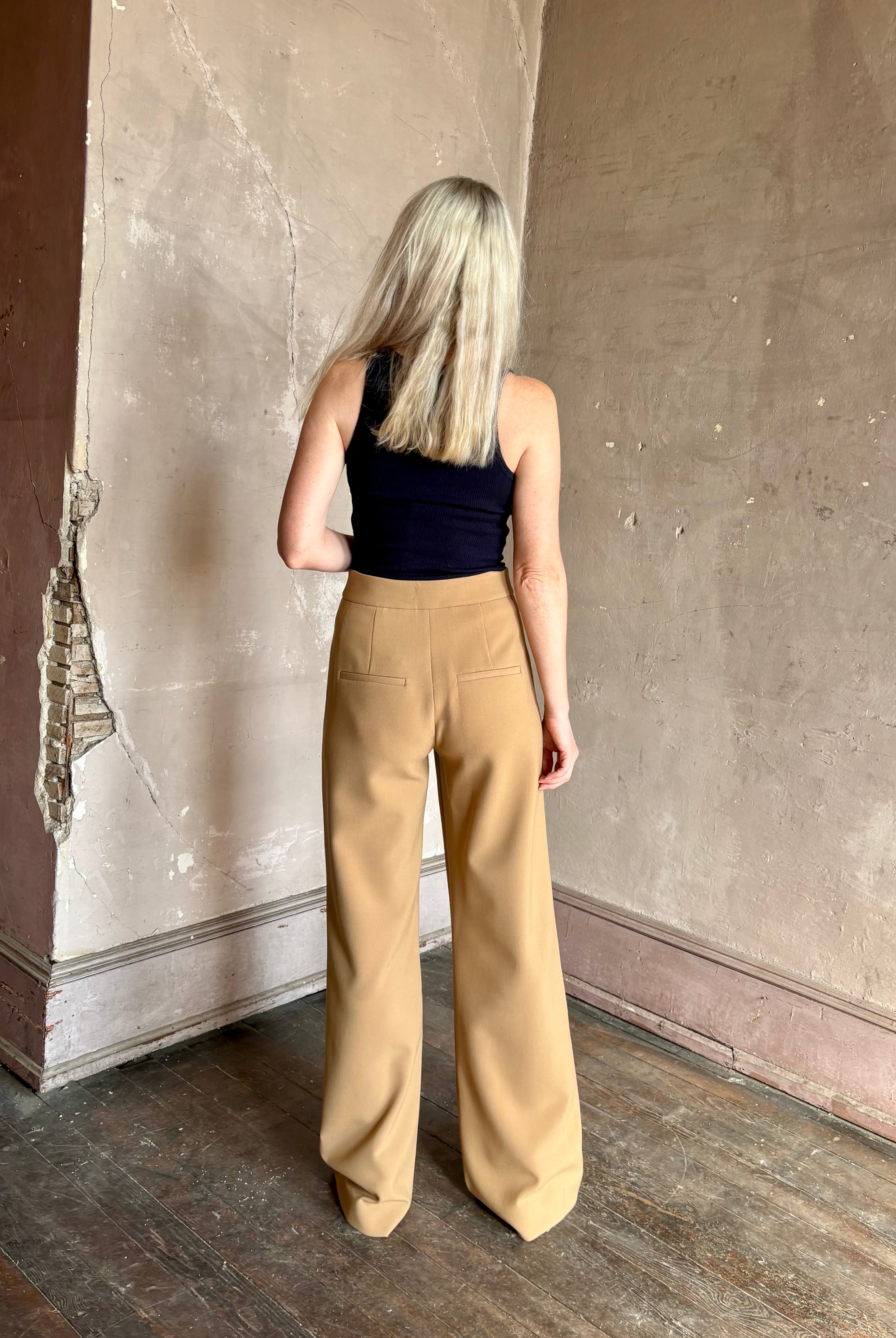
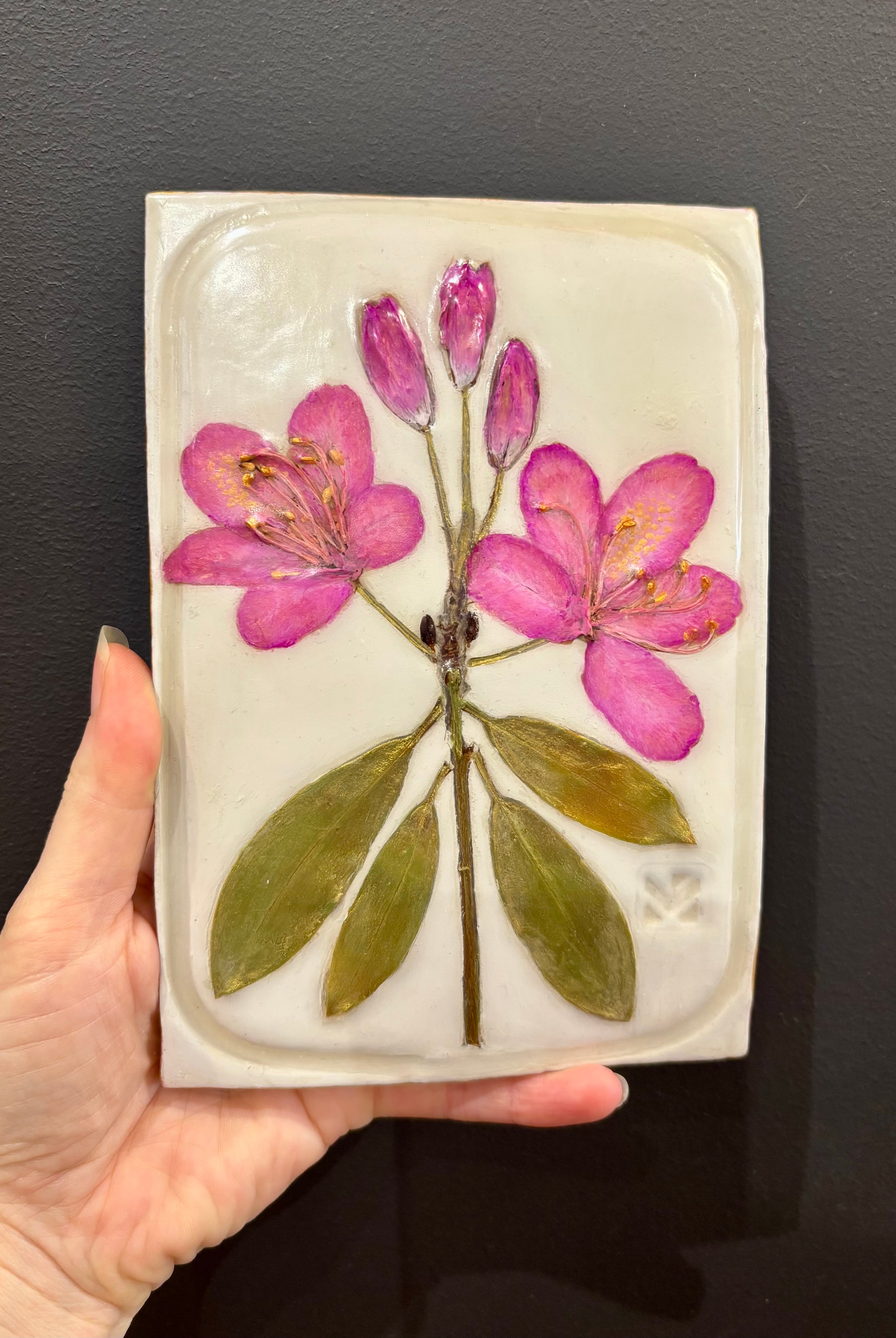
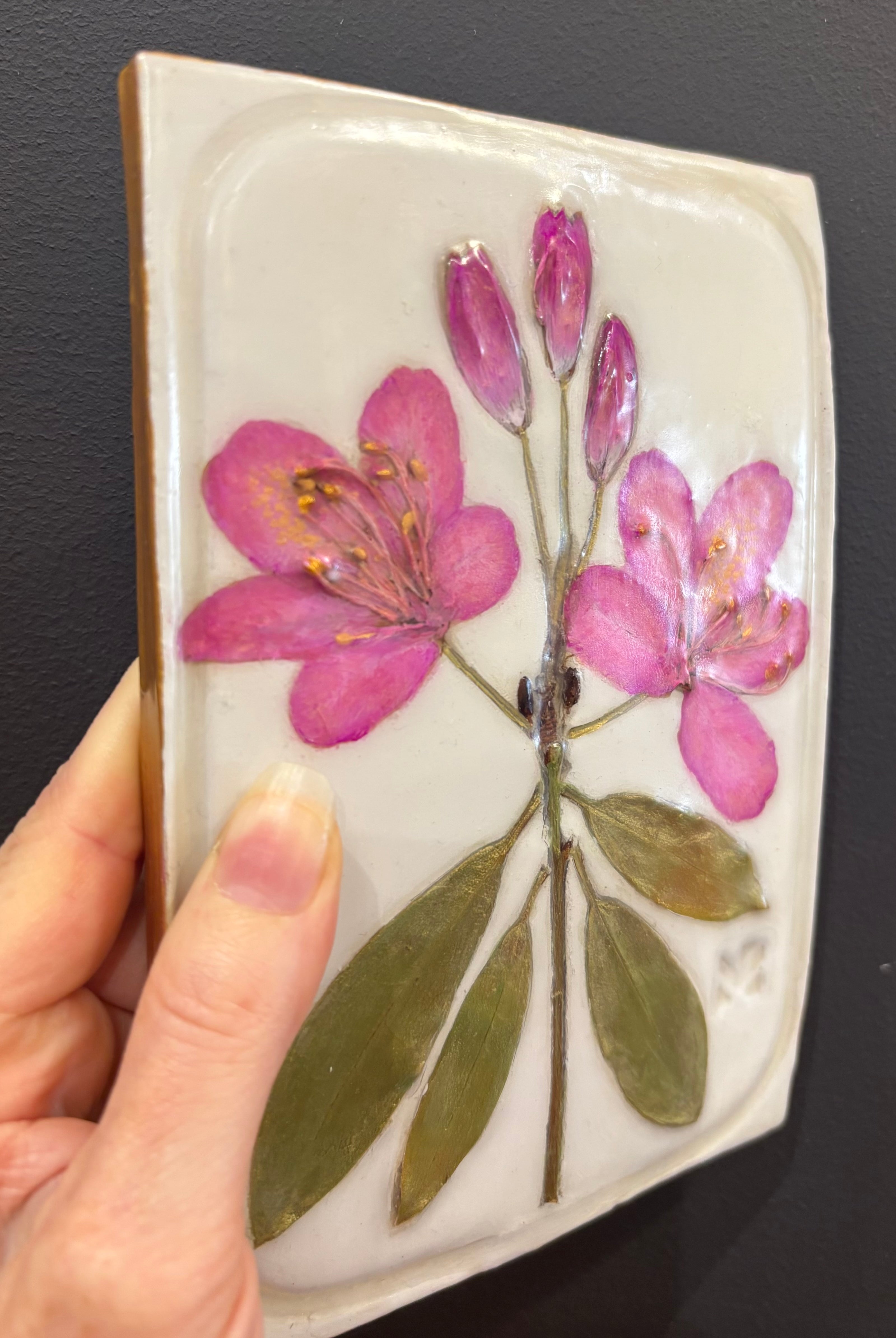
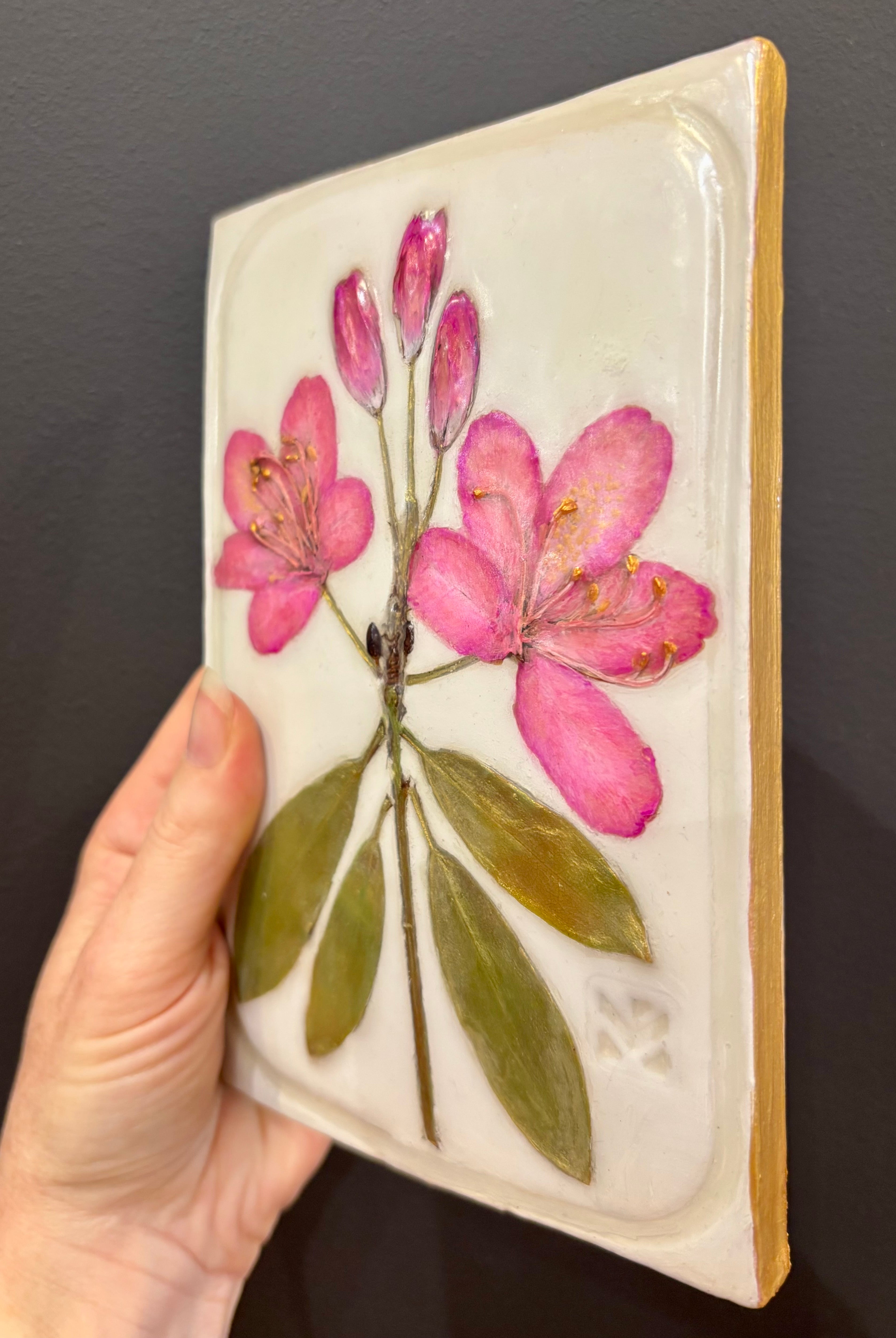
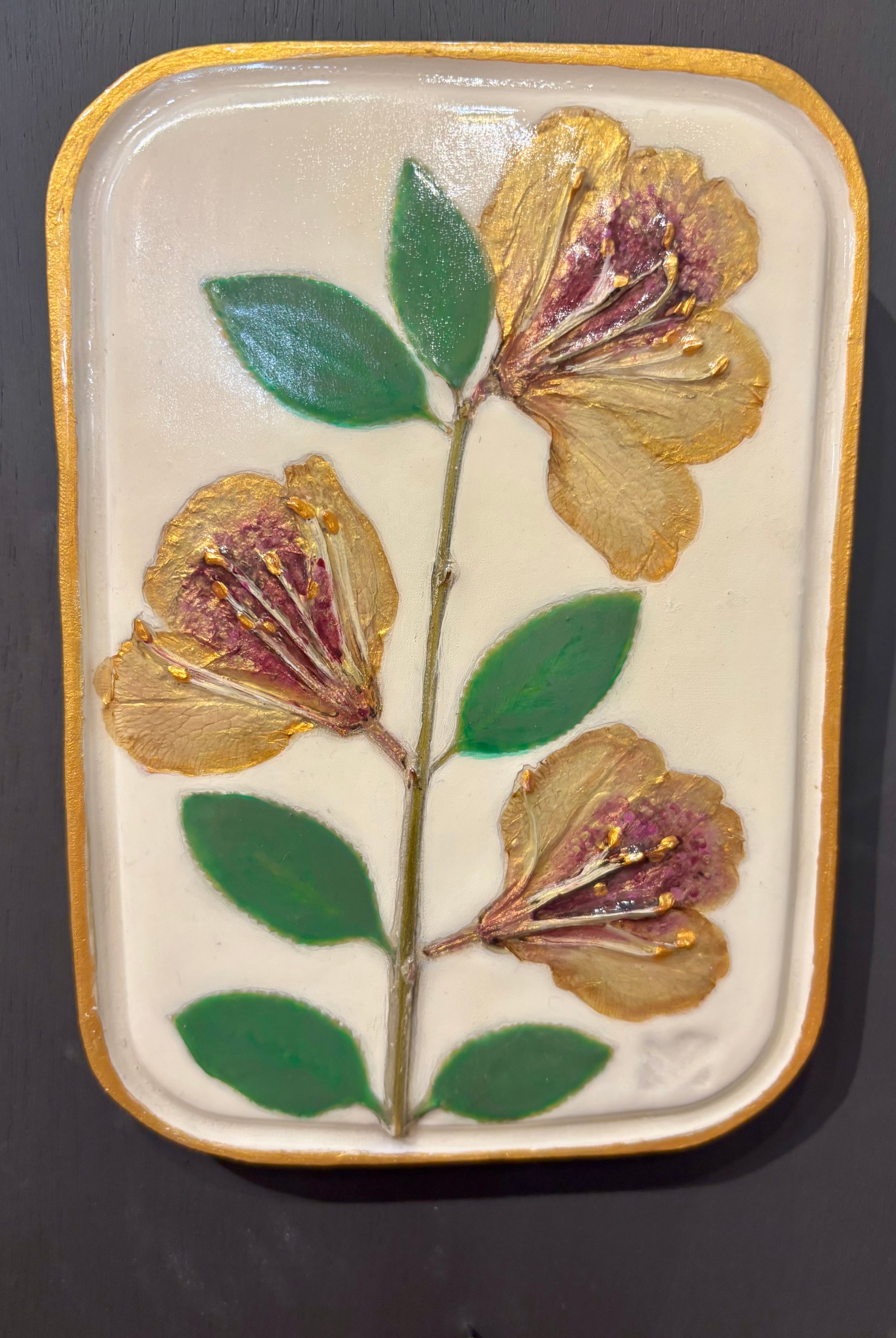
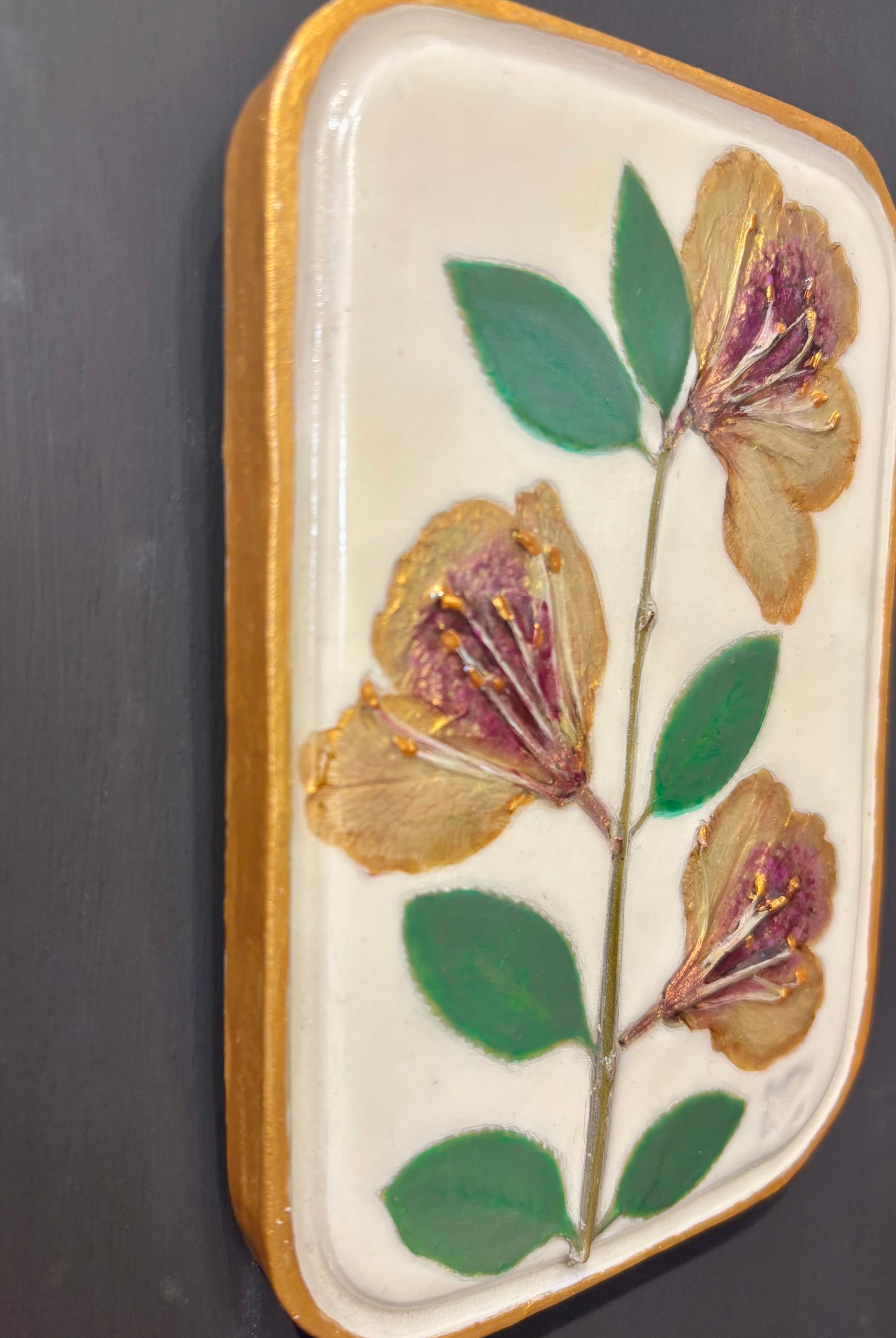
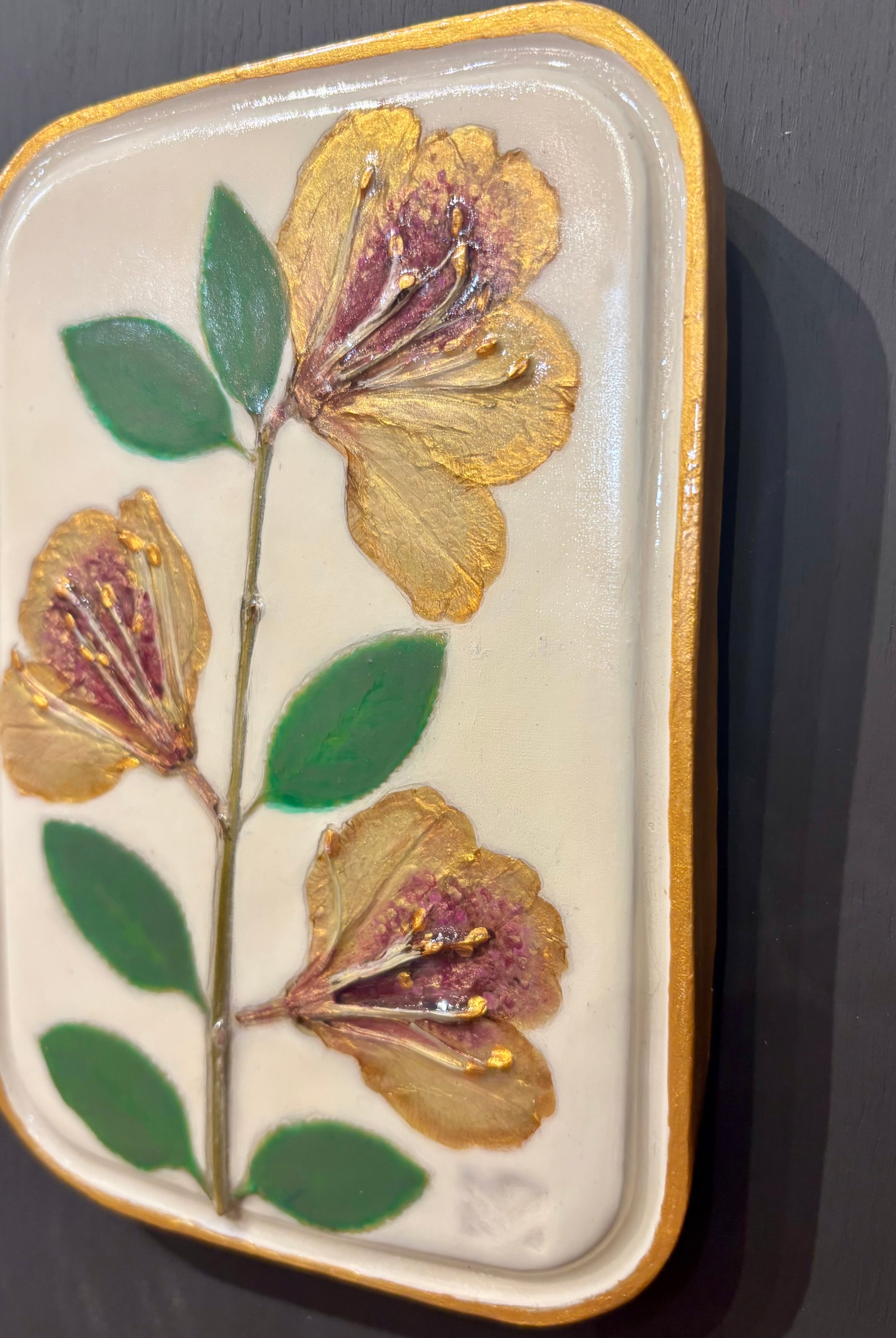
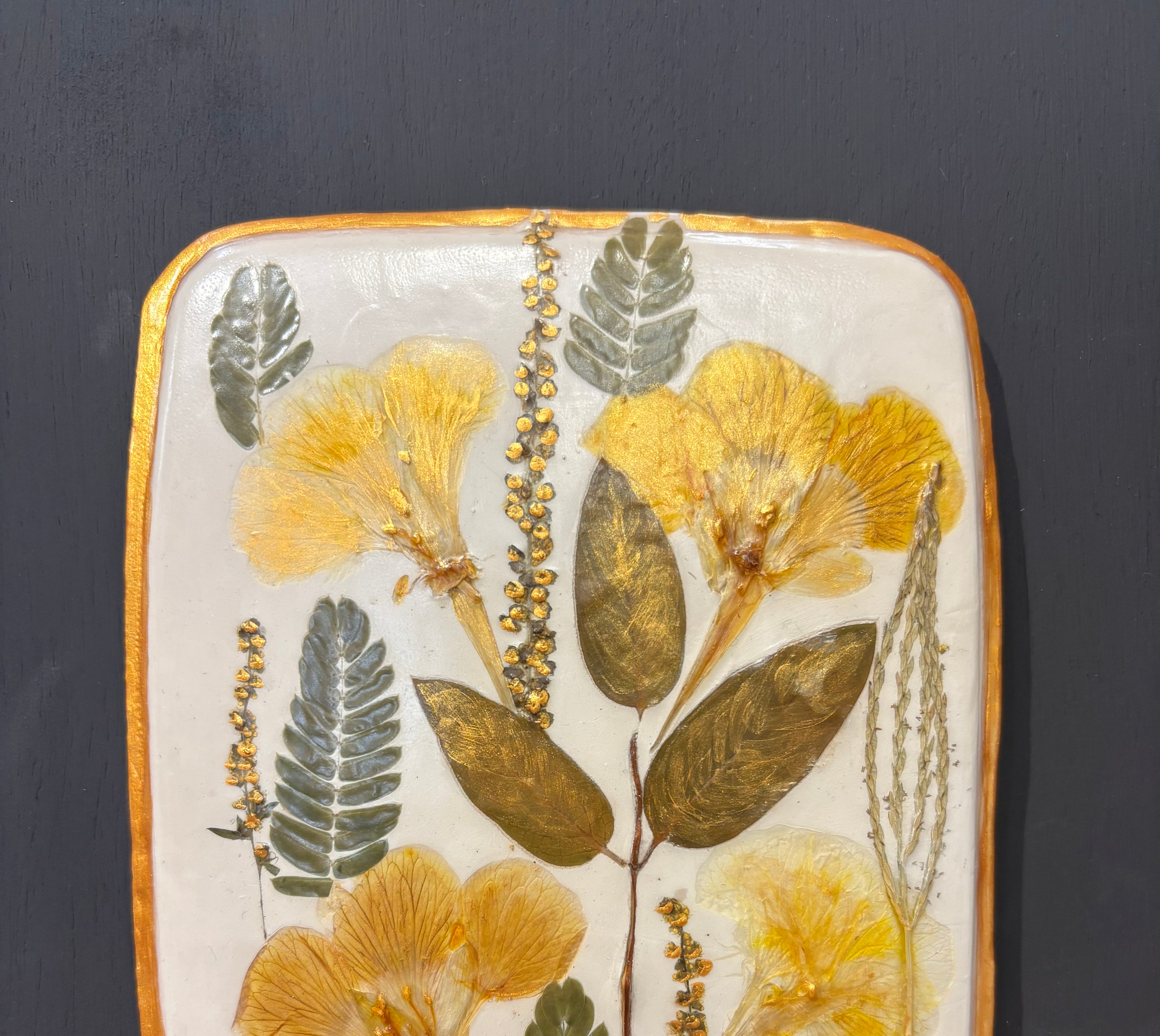
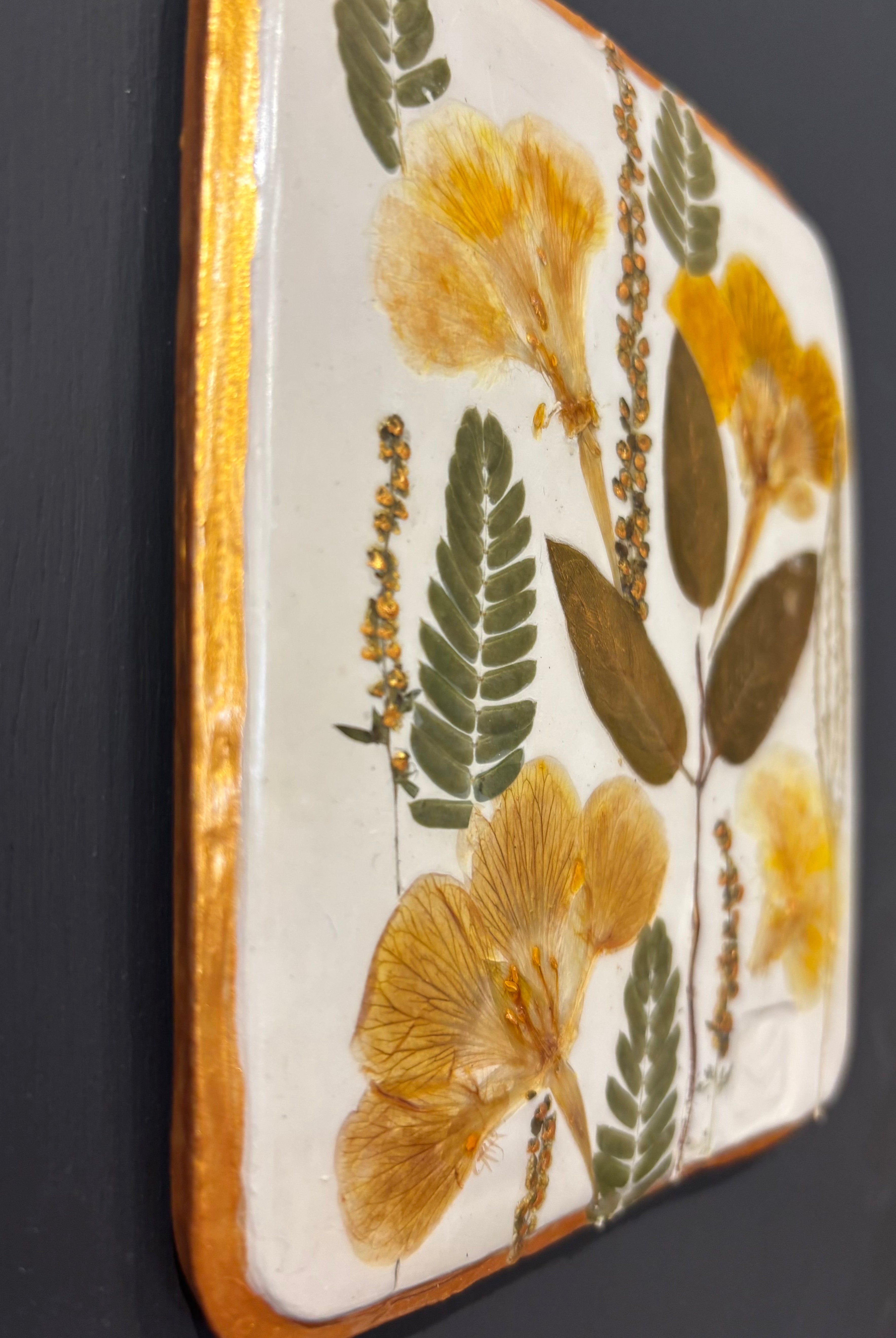
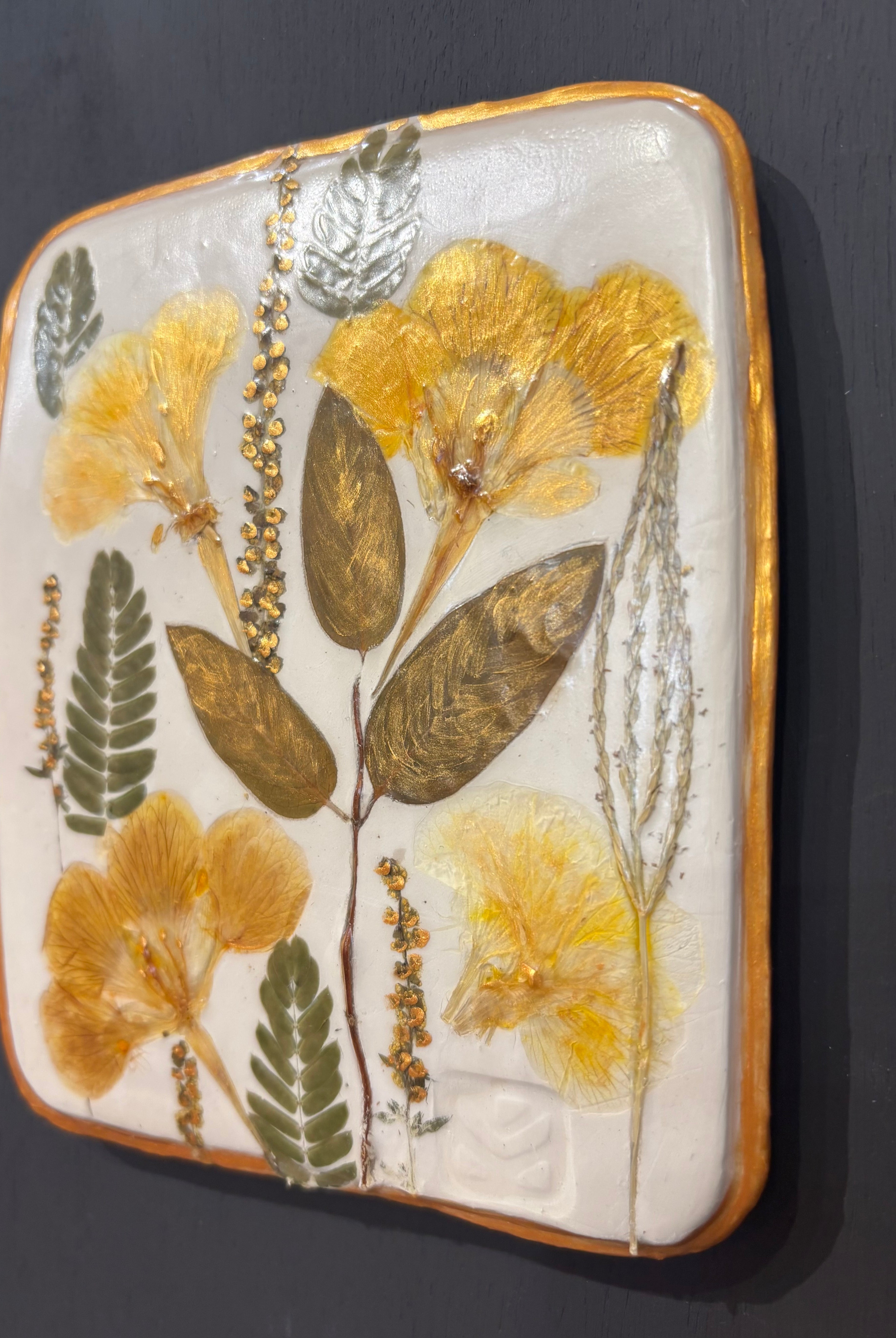
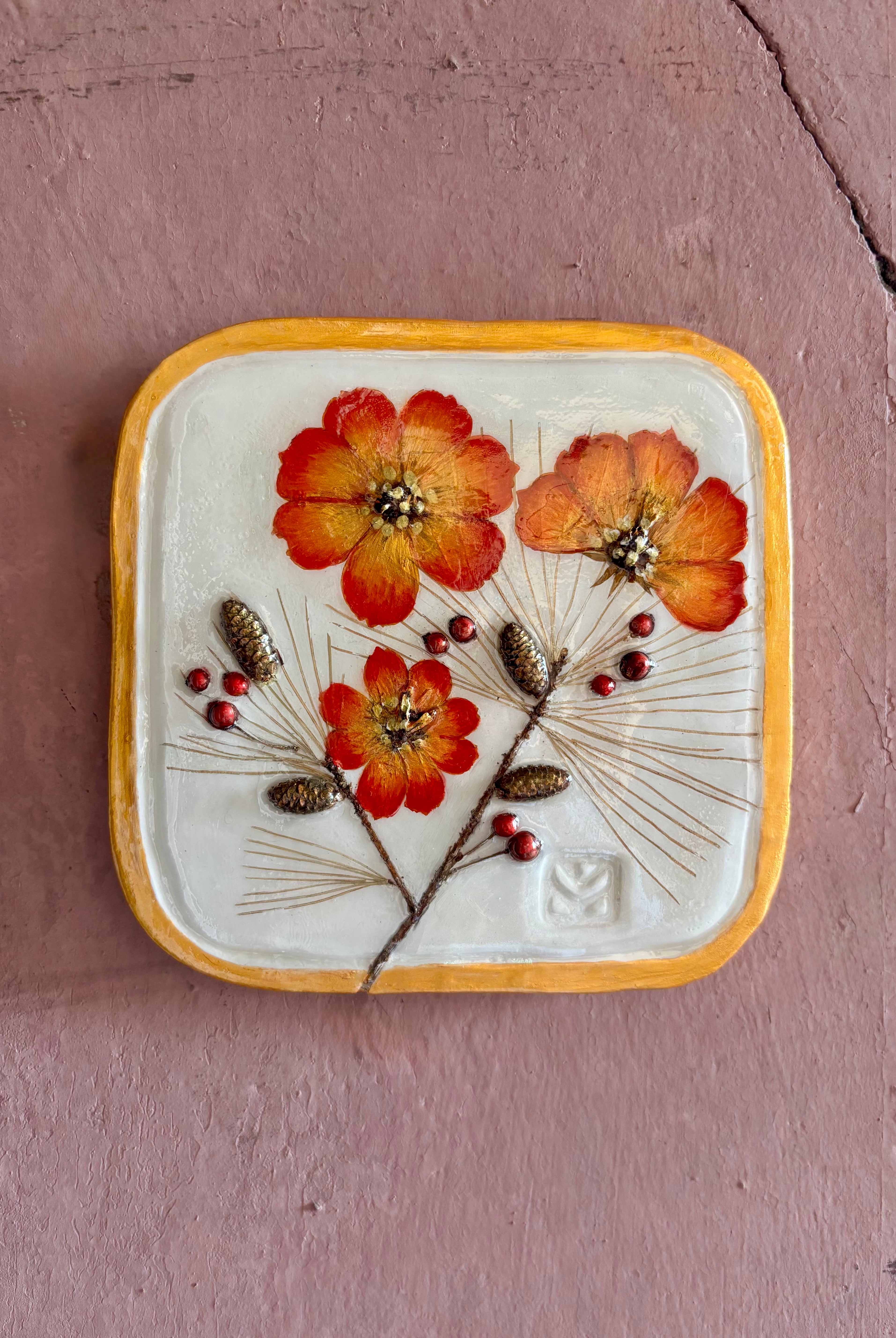
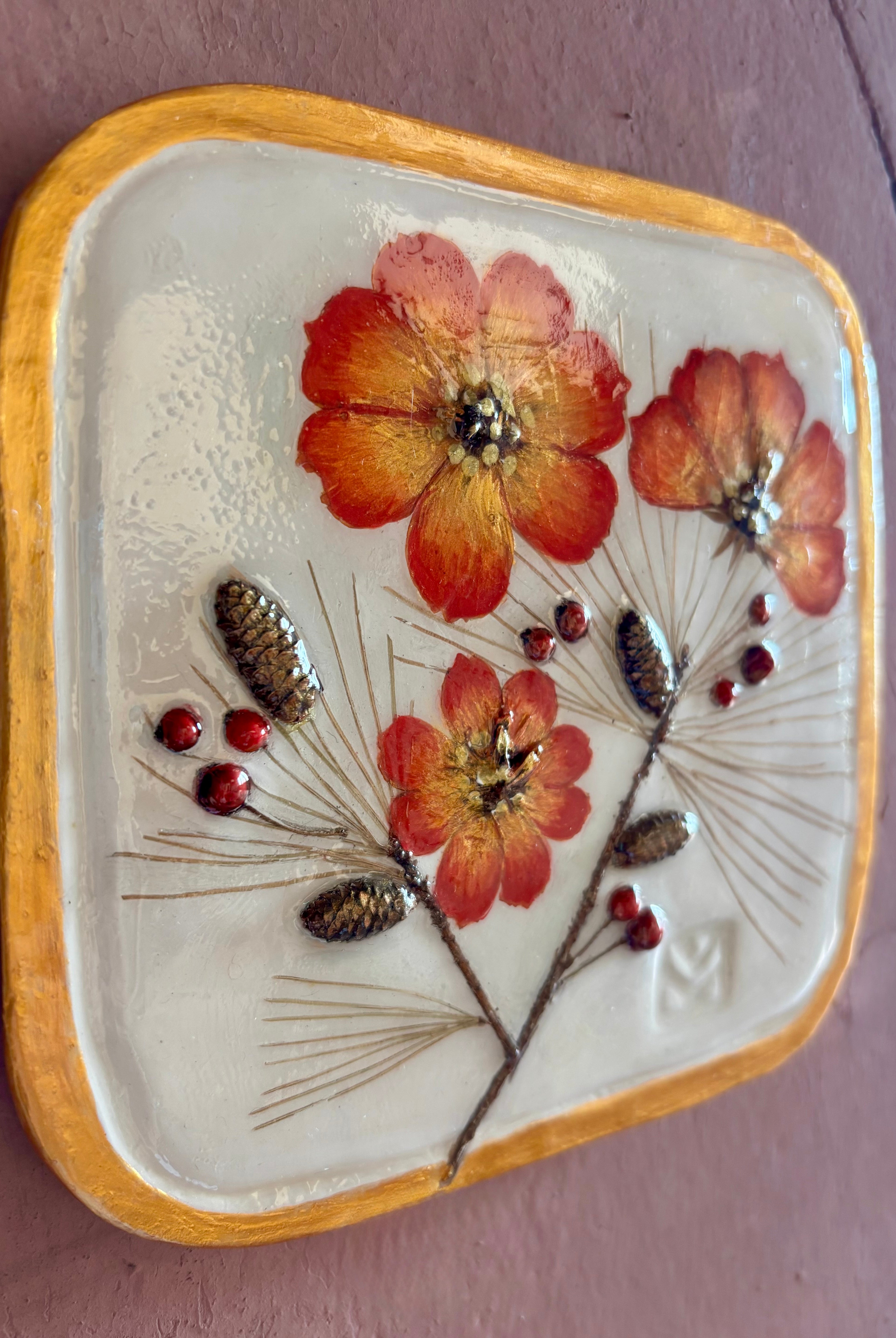
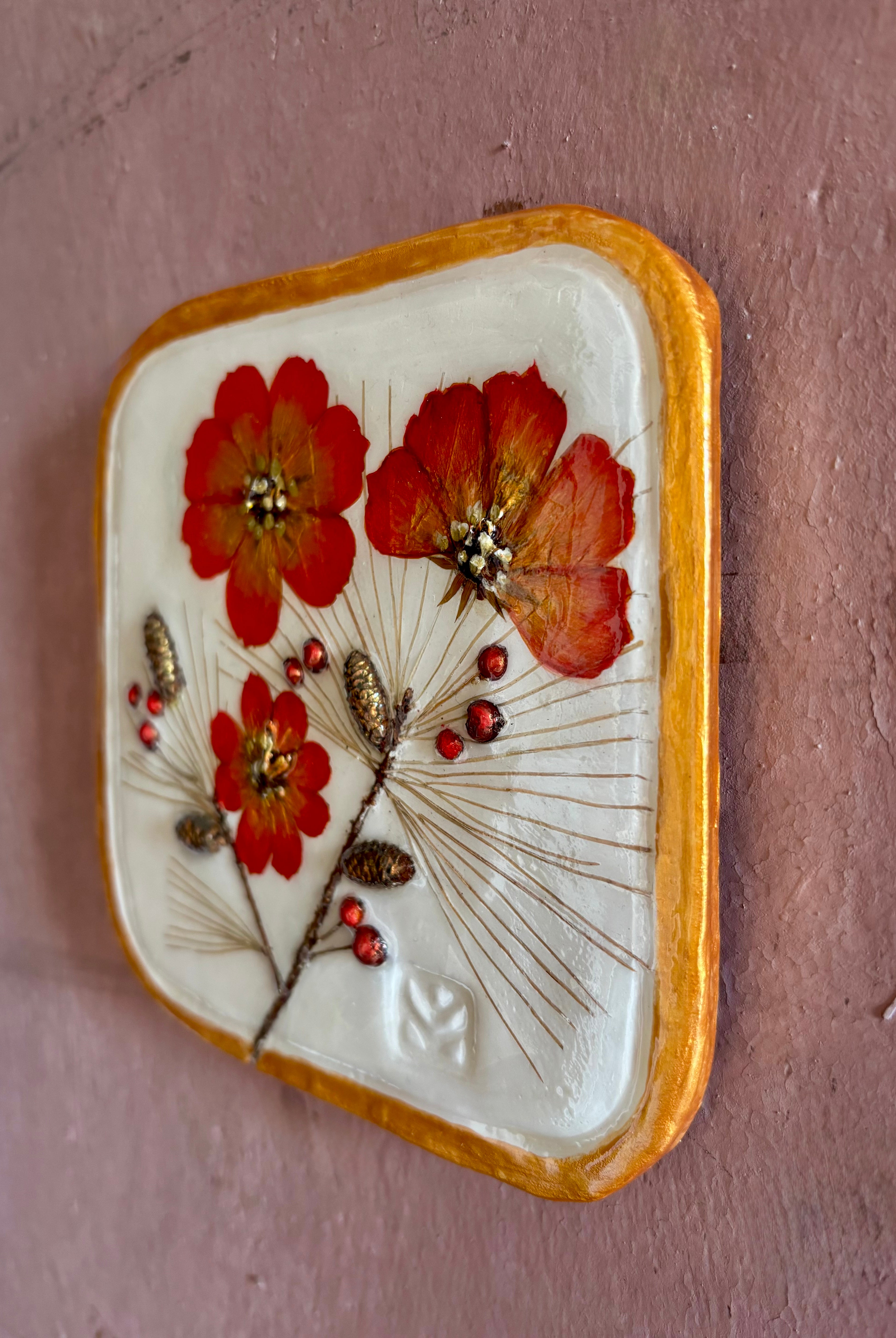
There is something profoundly meaningful about a garment cut and sewn in New York City, a piece of fine jewelry handcrafted in Asheville, a candle hand-poured in Greenville, or a painting brought to life in a Brevard mountain studio. At its heart, Made in America is not simply a label — it is a philosophy of intentional, considered consumption that honors the hands, the craft, and the communities behind every piece.
When you choose American-made, you choose transparency. You choose to know where something was made, by whom, and under what conditions — a rare and increasingly precious quality in a world of opaque global supply chains. You choose fair wages, ethical working conditions, and the kind of accountability that only comes when maker and market share the same landscape.
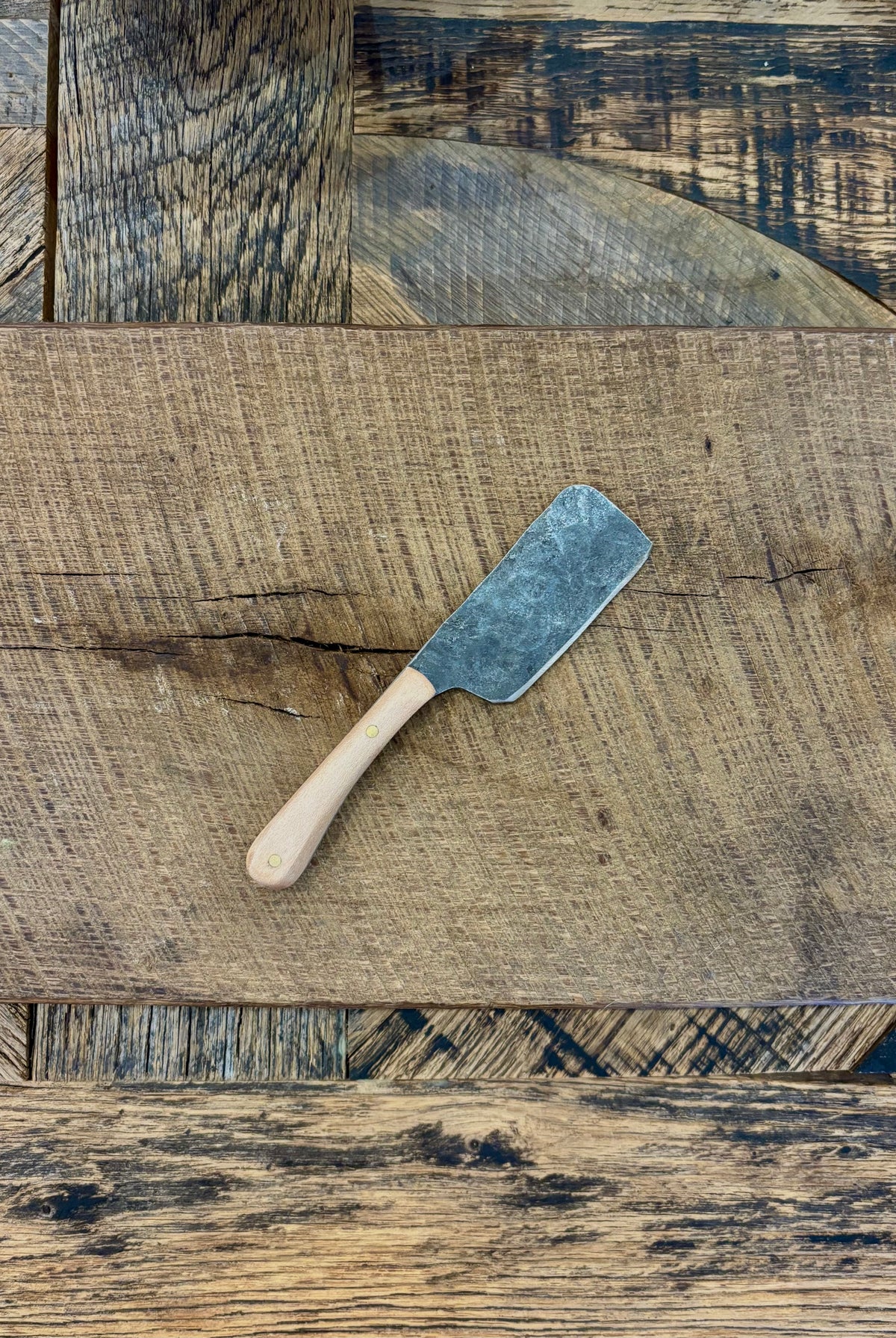
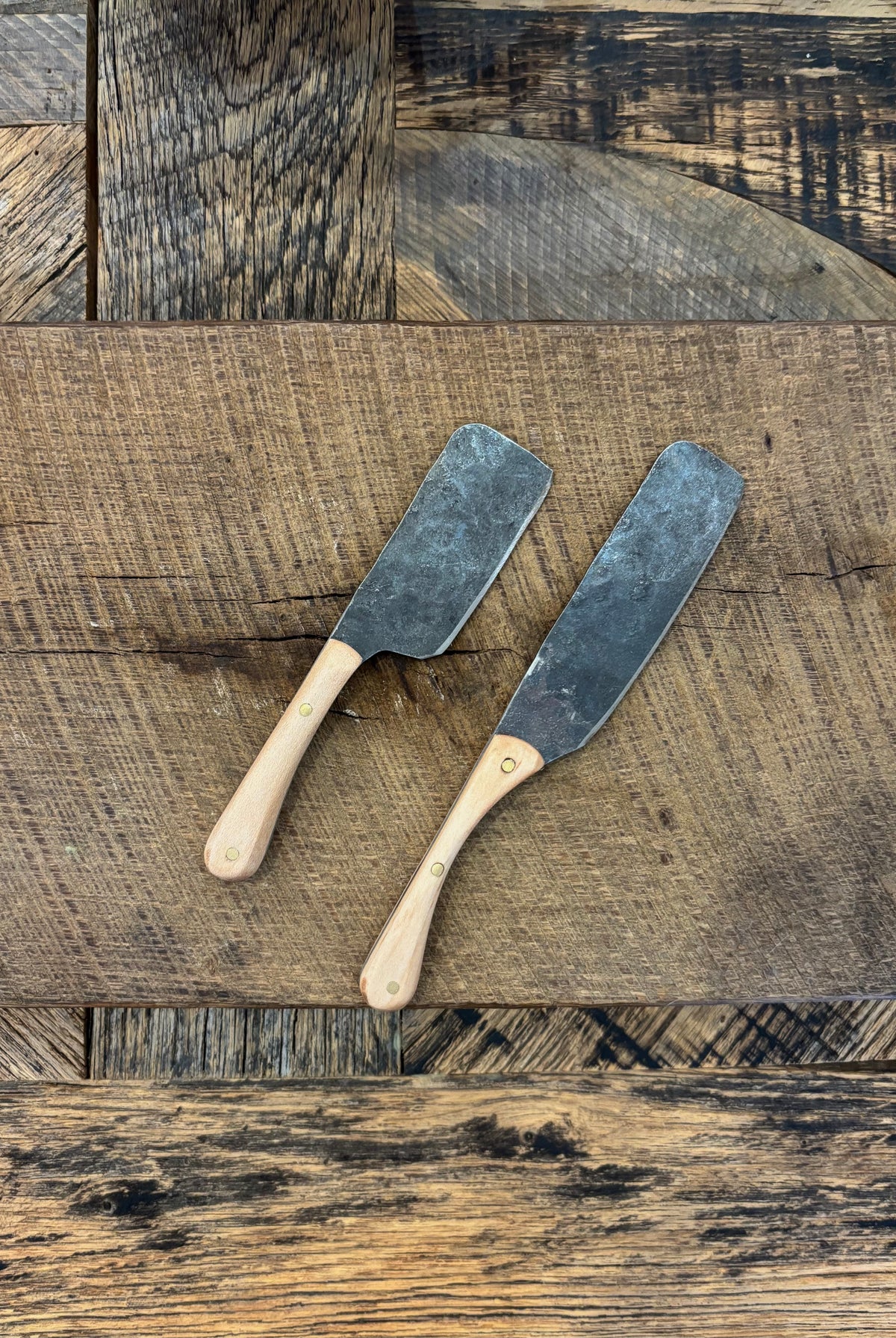
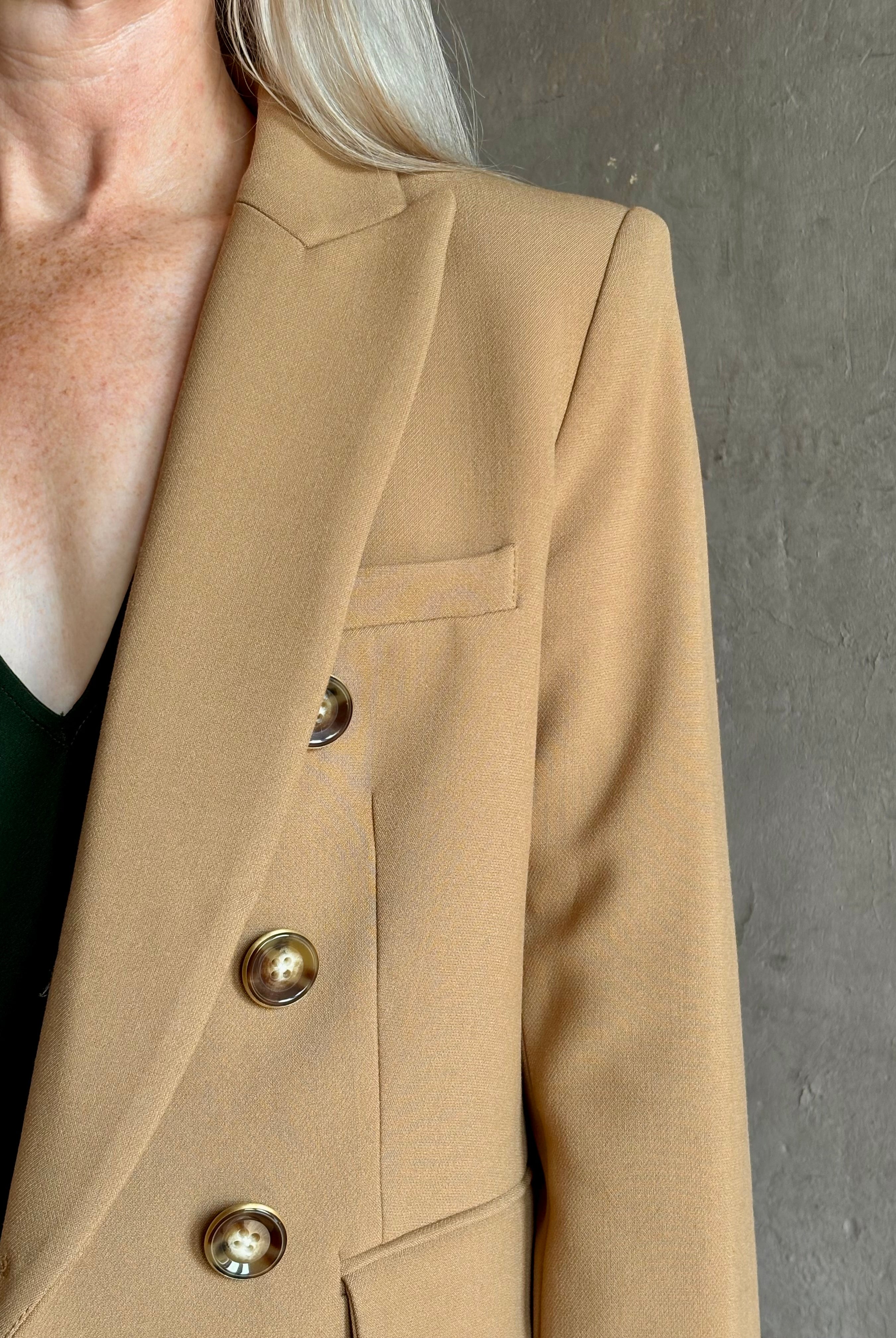
You choose quality that endures. American artisans — whether jewelers, painters, candle makers, ceramicists, or clothing designers — work with an exacting standard rooted in pride of craft and the knowledge that their name is attached to every piece they create. These are not disposable objects. They are heirlooms in the making.
You choose community. Every American-made purchase circulates within our local and national economy, supporting independent studios, small businesses, and the creative ecosystems that make our cultural landscape rich, diverse, and vital. When you invest in a piece handcrafted in Asheville or hand-poured in Greenville, you are investing in a living, breathing creative community.
And you choose story. Each piece in our Made in America collection carries with it the particular light of the place it was made — the mountain terrain of Western North Carolina, the energy of a New York City atelier, the warmth of a Southern studio. These are not anonymous objects. They are singular expressions of time, place, and human ingenuity.
We are proud to celebrate the extraordinary breadth of American craft — from the fine jewelry studios of New York and Asheville to the painting studios of Brevard, the design houses of New York City, and the artisan makers of South Carolina. Shop this collection with the knowledge that every piece tells a story worth keeping.
